


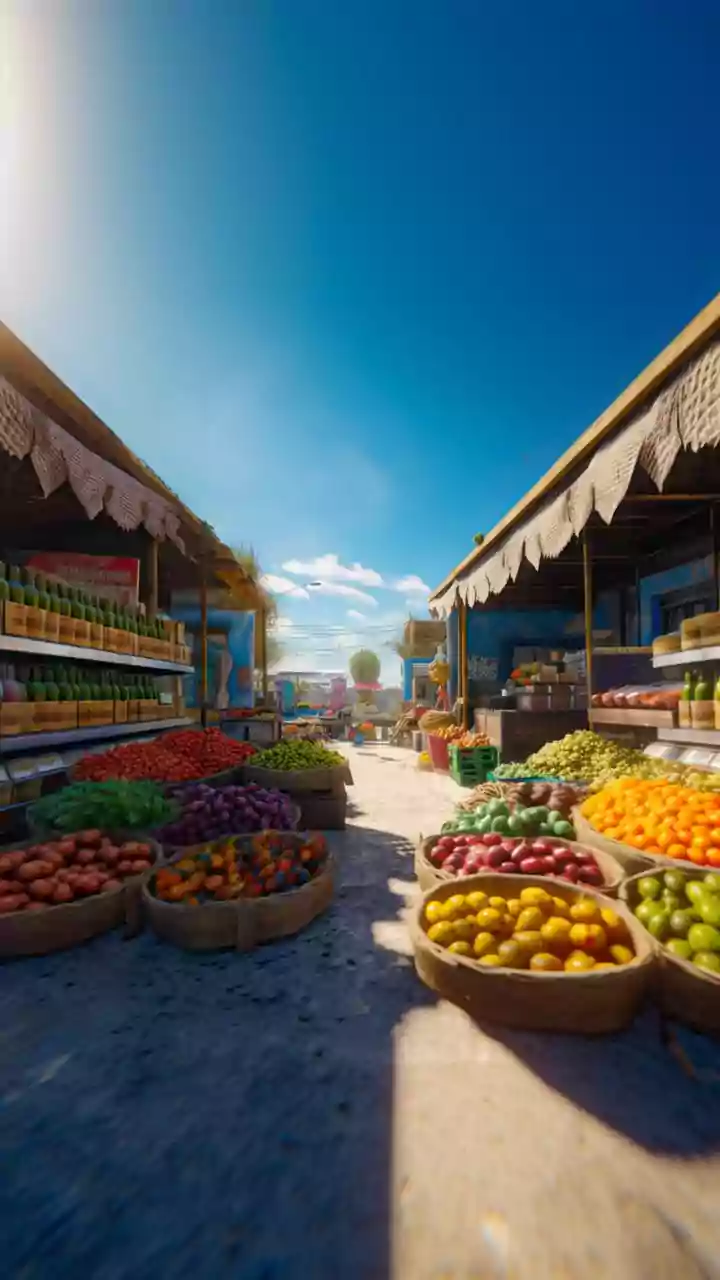



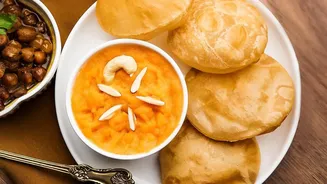
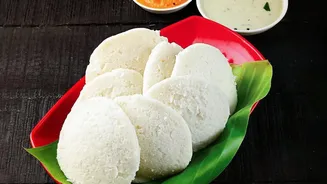
In the bustling kitchens of India’s metro cities, a quiet but powerful shift is underway. Amidst the rush of modern life, many families are looking past the convenience of packaged meals and rediscovering the wholesome appeal of heritage recipes.
A Return to the Roots
A culinary
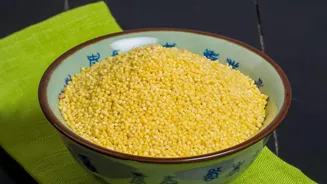
renaissance is unfolding in urban India. For years, the convenience of processed and ready-to-eat foods seemed like the logical choice for time-pressed families. Yet, a growing number of households are now intentionally turning back the clock. They are dusting off old family cookbooks and swapping factory-made snacks for homemade alternatives. This movement isn't just about reviving dishes; it's about re-embracing a philosophy of eating that prioritizes fresh, whole ingredients and traditional cooking methods. From millets making a comeback in breakfast bowls to grandmothers' recipes for pickles and chutneys being shared in WhatsApp groups, the focus is shifting from what is fast to what is fundamentally nourishing.
Driven by Health and Authenticity
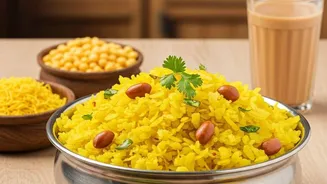
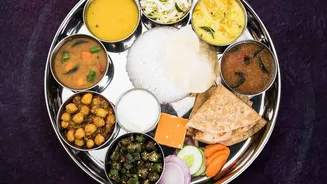
This shift is fueled by more than just nostalgia. A primary driver is a growing awareness of health and wellness. Concerns over preservatives, high sugar content, and artificial additives in many processed foods have led families to seek cleaner, more transparent options. Traditional Indian diets, rich in vegetables, legumes, whole grains, and beneficial spices like turmeric and ginger, are being recognized for their nutritional benefits, which include supporting gut health and boosting immunity. Beyond health, there is a deep-seated desire for authenticity. In a world of globalized food culture, heritage recipes offer a tangible connection to one's roots and cultural identity, providing a sense of comfort and history that a packaged product cannot replicate.
The Modern Face of Tradition
Ironically, technology and modern platforms are playing a key role in this traditional revival. Social media, food blogs, and YouTube channels have become virtual archives for recipes that were once only passed down orally. A new generation of chefs and home cooks are using these tools to document, share, and even reinvent age-old dishes, making them accessible to a wider audience. This digital sharing culture helps preserve culinary traditions and inspires experimentation. It proves that embracing heritage doesn't mean rejecting modernity; instead, families are finding innovative ways to fit timeless food wisdom into their contemporary lives, from using a sous-vide technique on a traditional curry to plating a simple dal with artistic flair.
Navigating the Challenges
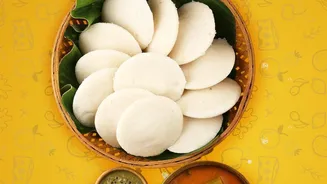
Of course, this culinary shift is not without its hurdles. The convenience that made processed foods popular in the first place remains a powerful factor in busy urban lives. Sourcing specific indigenous ingredients can be difficult, and the time required for slow cooking methods can be a genuine constraint for working parents. However, the food industry is taking notice. We are seeing a rise in brands offering 'convenience without compromise'—from ready to cook millet dosa mixes to high quality, ethically sourced spices and organic produce. These products bridge the gap, helping families cook traditionally without demanding a complete overhaul of their modern schedules.