



The Daily Pilgrimage
Long before the mid-day sun hits its peak, the lines begin to form. At legendary spots like Lal Balti Kachori or Ravi Alpahar, the queue is a democratic mix of society. You'll see business people in crisp shirts, students grabbing a quick, hearty breakfast,
families on a morning outing, and tourists guided by the scent of frying dough and spices. The atmosphere isn't one of impatience but of shared anticipation. It’s a social hub where conversations flow as easily as the green chutney that will soon smother the snack. This daily gathering is less about a transaction and more about participating in a cherished city tradition, a testament to a flavour that has captivated generations.
A Taste Forged in History
Indore's street food prowess isn't accidental; it’s a legacy born from a confluence of cultures. The Holkar dynasty, originally from Maharashtra, brought their culinary traditions to this central Indian hub in the 18th century. Over time, these recipes were adapted and perfected by the local trading communities, creating a snack culture unlike any other. Establishments like Lal Balti have been serving their famous Aloo Kachori for over 60 years, its name derived from the simple red bucket (lal balti) that was once hung outside to signal the shop was open. Ravi Alpahar boasts a history stretching back over a century at one of its branches, becoming an institution for breakfast staples. These aren't just shops; they are culinary landmarks that have stood the test of time, passing down recipes and techniques through generations.
What's Inside the Legend?
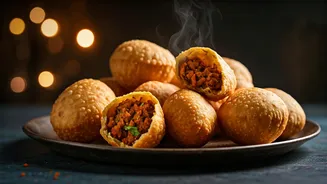
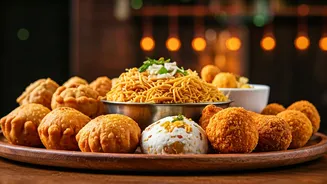
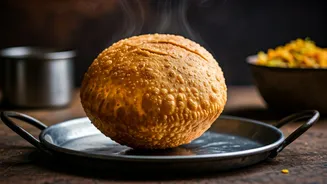
So, what makes an Indori kachori worth the wait? It starts with the texture—a perfectly crisp, flaky shell that shatters at the first bite, giving way to a soft, steaming interior. Unlike the dal-stuffed kachoris common in other regions, Indore champions variants with fillings like spiced potato (aloo), peas (matar), or even corn (bhutte). The magic, however, lies in the symphony of accompaniments. The kachori is often served with a generous helping of tangy and spicy green chutney, sometimes a sweet tamarind one, and occasionally topped with crunchy sev—a nod to the city's love for layered flavours and textures. It’s this precise combination of heat, tang, and crunch that defines the Indori kachori experience.
The Heartbeat of a Food Capital
The kachori queue is a microcosm of Indore's larger identity as India's undisputed street food capital. This is a city where food is not just sustenance, but a religion. The phenomenon is most visible in its two iconic food streets: Sarafa Bazaar, a jewellery market that transforms into a bustling open-air kitchen by night, and Chappan Dukan (56 Shops), a dedicated lane of eateries that serves delights from morning till late. Established in the 1970s, Chappan Dukan has evolved from a simple market into a smart, clean food hub, even winning awards for its standards. Whether it’s the poha-jalebi for breakfast, the bhutte ka kees, or the legendary kachoris, these streets are where the city’s culinary heart beats the loudest.
Decoding the 'Legacy Energy'
The 'legacy energy' of Indore's kachori queue comes from this deep-rooted cultural significance. The line isn't just for a snack; it's a vote of confidence in consistency and tradition. In a world of fleeting food trends, the unwavering popularity of a 60-year-old recipe speaks volumes. It’s the energy of a city that reveres its culinary heritage, where former Prime Ministers and Bollywood stars have been drawn to the same simple, flavourful offerings as the everyday local. The queue represents a living, breathing connection to the past—a delicious thread that ties the Indore of today to the Holkar-era traders and the generations of vendors who have perfected their craft. It is, in essence, the taste of home, served hot from a kadai, one kachori at a time.