



The Nutritional Tug-of-War Explained
You've carefully planned a balanced meal, rich in iron from lentils and leafy greens. But if you've paired it with a glass of milk or a generous helping of paneer, you might be unintentionally shortchanging yourself. This is due to a well-documented nutritional
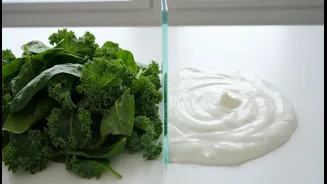
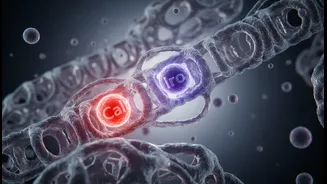
interaction where calcium and iron compete for absorption in your body. Both minerals use the same pathways in your intestines to get absorbed into the bloodstream. When you consume them at the same time, especially in high amounts, they essentially get in each other’s way. Calcium, often being the more dominant of the two, can significantly reduce the absorption of non-heme iron—the type found in plant-based foods like spinach, beans, and whole grains. This competition means that even if your plate is full of iron-rich foods, a substantial portion of that iron may not be available for your body to use.
Monsoon Meals Under the Microscope
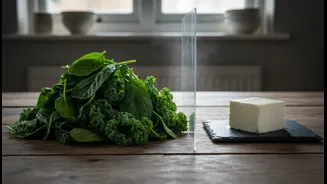
The monsoon season in India often brings a desire for specific comfort foods. Unfortunately, many of these classic pairings are prime examples of the calcium-iron clash. Think of palak paneer, a beloved dish combining iron-rich spinach with calcium-rich paneer. While delicious, the calcium in the cheese can hinder the absorption of iron from the spinach. Similarly, enjoying a hearty bowl of dal (a great source of plant-based iron) with a side of yogurt or raita creates the same competitive environment. Even seemingly healthy habits, like drinking a glass of milk with your cereal or a meal containing whole grains and legumes, can trigger this effect. During the monsoon, when the digestive system can be more sluggish and the risk of infections is higher, maximizing nutrient absorption from every meal becomes even more critical for maintaining energy and immunity.
Why This Clash Matters for Your Health
The primary consequence of poor iron absorption is a risk of iron deficiency, which can lead to anemia. Symptoms often include fatigue, weakness, shortness of breath, and difficulty concentrating—feelings that can be easily mistaken for general sluggishness during the gloomy monsoon weather. Iron is essential for producing hemoglobin, the protein in red blood cells that carries oxygen throughout your body. When iron levels are low, your energy production, immune function, and even mood can take a hit. For vegetarians and vegans, who rely exclusively on non-heme iron from plants, this interaction is particularly important to manage, as non-heme iron is already less readily absorbed than the heme iron found in animal products.
Simple Strategies to Win the Nutrient War
The solution isn't to banish calcium-rich foods from your diet; calcium is vital for bone health. The key is smart timing and strategic food pairing. The most effective strategy is to separate your iron-rich and calcium-rich foods. Try to leave a gap of at least two hours between them. For example, if you have lentils or beans for lunch, save your yogurt or glass of milk for a mid-afternoon snack. Another powerful ally in this battle is Vitamin C. It dramatically enhances the absorption of non-heme iron. Adding a squeeze of lemon to your dal or spinach, or including vitamin C-rich vegetables like tomatoes, bell peppers, or a side of citrus fruit with your meal can help counteract the inhibitory effects of other compounds. Conversely, be mindful of tea and coffee with meals, as compounds called tannins in them also block iron absorption.
Reimagining Your Monsoon Plate
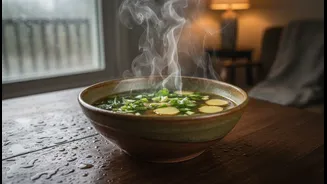
Putting this into practice is easier than it sounds. For breakfast, if you're having an iron-fortified cereal, consider having it with a small glass of orange juice instead of milk. For lunch, instead of palak paneer, you could try a spinach and lentil soup with a generous squeeze of lime. Pair your dal with a side of steamed vegetables like broccoli or cauliflower, both of which contain vitamin C, and have your raita as a separate snack later in the day. If you enjoy a warm cup of masala chai on a rainy evening, try to have it between meals rather than alongside your main course. These small adjustments don't require a complete dietary overhaul but can make a significant difference in how much nutrition your body actually gets from the food you eat, helping you stay energetic and healthy throughout the rainy season.