






Understanding Monsoon Acne
The welcome relief from summer's heat that the monsoon brings also ushers in a new set of skin challenges, primarily driven by a sharp increase in humidity. High humidity prevents sweat from evaporating efficiently, creating a damp environment on your
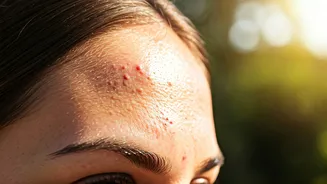
skin. This moisture mixes with the skin's natural oils (sebum) and dead skin cells, creating a perfect storm for clogged pores. When pores are clogged, it creates an ideal breeding ground for acne-causing bacteria, leading to more frequent and inflamed breakouts. Many people who don't typically have acne find themselves dealing with flare-ups during this season, affecting not just the face but also the back and chest. The combination of excess oil, sweat, and environmental pollutants sticking to the skin makes a targeted skincare approach essential.
Cleanse Correctly, Don't Overdo It
The first instinct when your skin feels greasy might be to wash it repeatedly, but this can backfire. Over-cleansing can strip the skin of its natural oils, triggering it to produce even more sebum to compensate. Dermatologists recommend washing your face twice a day with a gentle, effective cleanser. Opt for a gel-based or light foaming cleanser, preferably one containing salicylic acid. As a beta-hydroxy acid (BHA), salicylic acid is oil-soluble, meaning it can penetrate deep into pores to dissolve the mixture of oil and dead skin cells that leads to breakouts. For those who wear makeup or sunscreen, a double cleanse in the evening—starting with an oil-based cleanser to melt everything away, followed by your regular face wash—can be highly effective.
Lightweight Hydration is Non-Negotiable
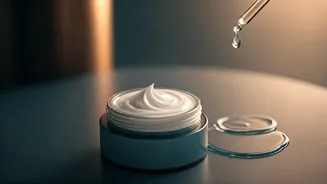
A common mistake for those with oily skin is skipping moisturiser, especially in a humid climate. However, all skin types need hydration. When your skin is dehydrated, it can overproduce oil to make up for the lack of moisture. The key during the monsoon is to switch to a lightweight, non-comedogenic (meaning it won't clog pores) moisturiser. Look for gel-based or water-based formulas that absorb quickly and don't leave a heavy, greasy film. Ingredients like hyaluronic acid, which hydrates without adding weight, and niacinamide, which helps regulate oil production and soothe inflammation, are excellent choices for this season. Proper hydration helps maintain a healthy skin barrier, which is crucial for protecting against environmental irritants.
Exfoliate and Treat Smartly
With the increased buildup of dead skin cells and sebum, regular exfoliation becomes more important. However, it's crucial to be gentle. Harsh physical scrubs can cause micro-tears and irritation, worsening inflammation. Instead, opt for chemical exfoliants like products containing Alpha-Hydroxy Acids (AHAs) or Beta-Hydroxy Acids (BHAs) once or twice a week. These gently dissolve the bonds holding dead cells to the skin's surface, keeping pores clear. For active breakouts, use a spot treatment containing ingredients like benzoyl peroxide or azelaic acid to target pimples directly without irritating the surrounding skin. Incorporating a clay mask with kaolin or bentonite clay once a week can also help draw out impurities and absorb excess oil.
Don't Forget Sunscreen and Lifestyle Habits
Even on cloudy, rainy days, harmful UV rays can penetrate the clouds and damage your skin. Sun exposure can also worsen the dark marks (post-inflammatory hyperpigmentation) that acne leaves behind. Always finish your morning routine with a broad-spectrum, lightweight, non-comedogenic sunscreen with at least SPF 30. Look for gel or water-based formulas designed for oily skin. Beyond products, simple habits can make a big difference. Avoid touching your face to prevent transferring dirt and bacteria. Change your pillowcases frequently, as they can accumulate oil, sweat, and bacteria. Staying hydrated by drinking plenty of water and eating a balanced diet low in processed and sugary foods can also support your skin's health from the inside out.