







Why Moisture Is the Main Culprit
Mould spores are microscopic fungi that are a natural part of the environment, both indoors and outdoors. They can't be entirely eliminated. However, for these spores to germinate and grow into the fuzzy, unsightly patches we know as mould, they require
moisture, a food source, and a suitable temperature. Of these factors, moisture is the one you can most effectively control. Common building materials like wood, drywall, and even dust on surfaces provide an ample food source. By denying mould the water it needs to survive, you stop it before it can start. This is why experts at agencies like the EPA and CDC consistently point to moisture control as the cornerstone of mould prevention.
Mastering Your Indoor Humidity
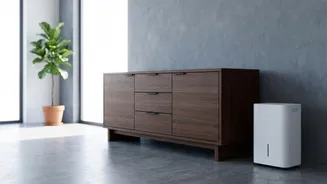
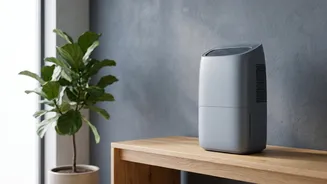
One of the primary ways moisture accumulates is through high humidity. Everyday activities such as cooking, showering, and even breathing release water vapour into the air. When indoor humidity is too high, it creates a hospitable environment for mould. Experts recommend keeping the relative humidity in your home between 30% and 50%. Levels above 60% are a significant risk factor for mould growth. You can monitor these levels with an inexpensive device called a hygrometer. To reduce humidity, use air conditioners and dehumidifiers, especially in damp areas like basements. Ensure your clothes dryer and kitchen range hood are vented to the outdoors, not into an attic or crawl space.
The Power of Ventilation
Good airflow is critical for whisking away damp air before it can cause problems. In high-moisture zones like kitchens and bathrooms, always use an exhaust fan and let it run for several minutes after you’ve finished cooking or showering. If you don't have exhaust fans, briefly opening a window can help. Throughout your home, try to promote air circulation by using ceiling fans and avoiding blocking air vents with furniture. This simple circulation prevents stagnant, moist air pockets where mould loves to hide, such as in closets or behind large furniture.
Stop Leaks at the Source
Persistent dampness is often caused by leaks, big or small. A slow drip under a sink, a faulty seal around a window, or a minor roof leak can provide a steady supply of water for mould. It’s crucial to inspect your home regularly for any signs of water damage, such as stains on ceilings or walls, peeling paint, or musty odours. Check under sinks in kitchens and bathrooms, around toilets and tubs, and near appliances that use water. Make sure the ground around your home’s foundation slopes away to prevent water from seeping into your basement or crawlspace. Repairing any leaks promptly is one of the most impactful steps you can take. Remember, it can take as little as 24 to 48 hours for mould to begin growing on a damp surface.
Everyday Habits for a Drier Home
Beyond major fixes, small daily habits can make a big difference. After showering, wipe down wet walls and glass doors with a squeegee. Don't leave damp towels in a pile on the floor. When cleaning, be mindful not to leave surfaces overly wet. If you have carpet in a bathroom or basement, consider replacing it with a hard-surface flooring that doesn't trap moisture. During spills, dry the area thoroughly and quickly. These consistent, small actions collectively contribute to a less hospitable environment for mould, protecting both your property and your well-being.