



What Exactly Is Fluted Glass?
Fluted glass, also known as ribbed or reeded glass, is a type of textured glass with vertical grooves. These decorative grooves are pressed into the semi-molten glass during its creation, resulting in a distinctive, uniform pattern. With roots in the Art
Deco movement of the 1920s, this material is experiencing a major resurgence in contemporary interior design. Its appeal lies in its ability to merge form and function, offering a sophisticated look while solving some of the most common challenges faced by those living in smaller apartments and homes. It’s more than just a pretty surface; it’s a strategic design tool.
The Perfect Balance of Privacy and Light
One of the biggest challenges in a compact home is creating privacy without sacrificing precious natural light. Solid walls create dark, cramped rooms, while clear glass offers no privacy at all. Fluted glass provides the perfect middle ground. The vertical grooves cleverly obscure direct views, distorting shapes and movements to provide a sense of seclusion. You can tell someone is on the other side, but details remain blurred. Unlike fully frosted or opaque glass which can feel heavy and block light, fluted glass allows daylight to pass through freely. This makes it an ideal choice for bathroom doors, shower screens, and partitions between a bedroom and living area, especially in urban apartments where neighbours might be close by.
Making Small Spaces Feel Brighter and Bigger
In a small home, every bit of daylight counts. Fluted glass is a master at manipulating light to make a space feel more open and airy. The ribbed texture catches and refracts light, scattering it softly and evenly throughout a room. This diffusion reduces harsh glare and creates a warm, ambient glow that makes any space more inviting. The vertical lines of the flutes also create a subtle optical illusion, drawing the eye upward and making ceilings feel higher. This sense of increased height and brightness can make a cramped room feel significantly larger and more spacious, a crucial benefit for compact living.
Zoning Without Building Walls
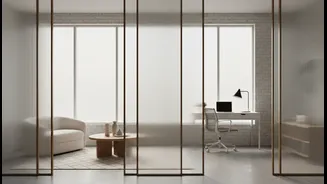
Open-plan living is popular, but even in an open layout, there's a need for distinct functional zones. Building solid walls to separate a home office nook from the living room or a kitchen from a dining area can defeat the purpose of an open concept, making the space feel closed off. Fluted glass partitions are an elegant solution. They can delineate different areas without creating a solid, light-blocking barrier. A sliding fluted glass door can hide a messy service yard from the kitchen, or a fixed panel can create a sense of separation for a study area. This allows for functional zoning while maintaining the flow of light and a feeling of connectedness throughout the home.
An Understated Touch of Elegance
Beyond its practical benefits, fluted glass brings a unique textural and aesthetic quality to an interior. The play of light across its ribbed surface adds depth, character, and a touch of sophistication that plain glass or solid materials lack. It’s a versatile look that fits well with various design styles, from minimalist and modern to mid-century and even traditional Indian interiors when paired with wooden frames. It can be used in numerous applications, such as on kitchen cabinet doors to conceal clutter while keeping an open feel, in wardrobes for an airy look, or as a statement-making internal door. This adaptability makes it a go-to for designers looking to add a refined finish.