

The Core Rule: Layer Up and Stay Dry
Packing for a monsoon trek isn’t about staying completely dry—that’s often an impossible goal. Instead, it's about managing dampness and protecting your core warmth. The strategy is twofold: effective layering and robust waterproofing. Your clothing should
be organised in layers that you can add or remove as your body temperature fluctuates with exertion and weather changes. For waterproofing, a dual approach is best: a rain cover for your backpack on the outside and dry bags or plastic bags for your clothes and electronics on the inside. This ensures your critical gear, like a spare set of dry clothes for the campsite, remains protected even if your outer layers get soaked.
Clothing: Quick-Dry and No Cotton
The single biggest mistake a first-time trekker can make is packing cotton. Cotton absorbs moisture, gets heavy, and takes a very long time to dry, which can be dangerous in cold and wet conditions. Instead, choose synthetic fabrics like polyester or nylon for your t-shirts and trekking pants. These materials wick moisture away from your skin and dry quickly. Your packing list should include two to three quick-dry t-shirts, two pairs of quick-dry trek pants, and a fleece jacket for warmth in the evenings. For rain protection, a high-quality poncho is often recommended over a simple raincoat because it can cover both you and your backpack, offering better ventilation.
Footwear: Your Most Critical Gear
Your feet are your most important asset on a trek, and choosing the right footwear is non-negotiable. Invest in a pair of waterproof trekking shoes with high ankle support and a deep-grip sole to navigate slippery and muddy trails safely. It's crucial to break in new shoes before your trek to avoid painful blisters. Socks are just as important. Pack at least three to four pairs of moisture-wicking synthetic or wool socks. Avoid cotton socks at all costs. It's also wise to pack a pair of leech-proof socks, especially for treks in dense forests like those in the Western Ghats. A pair of lightweight sandals or slippers will be a welcome relief for your feet at the campsite.
Backpack and Essential Gear
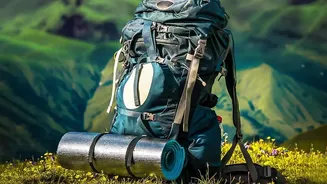
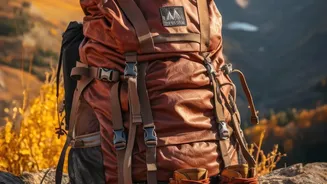
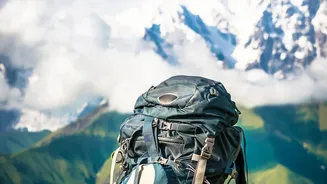
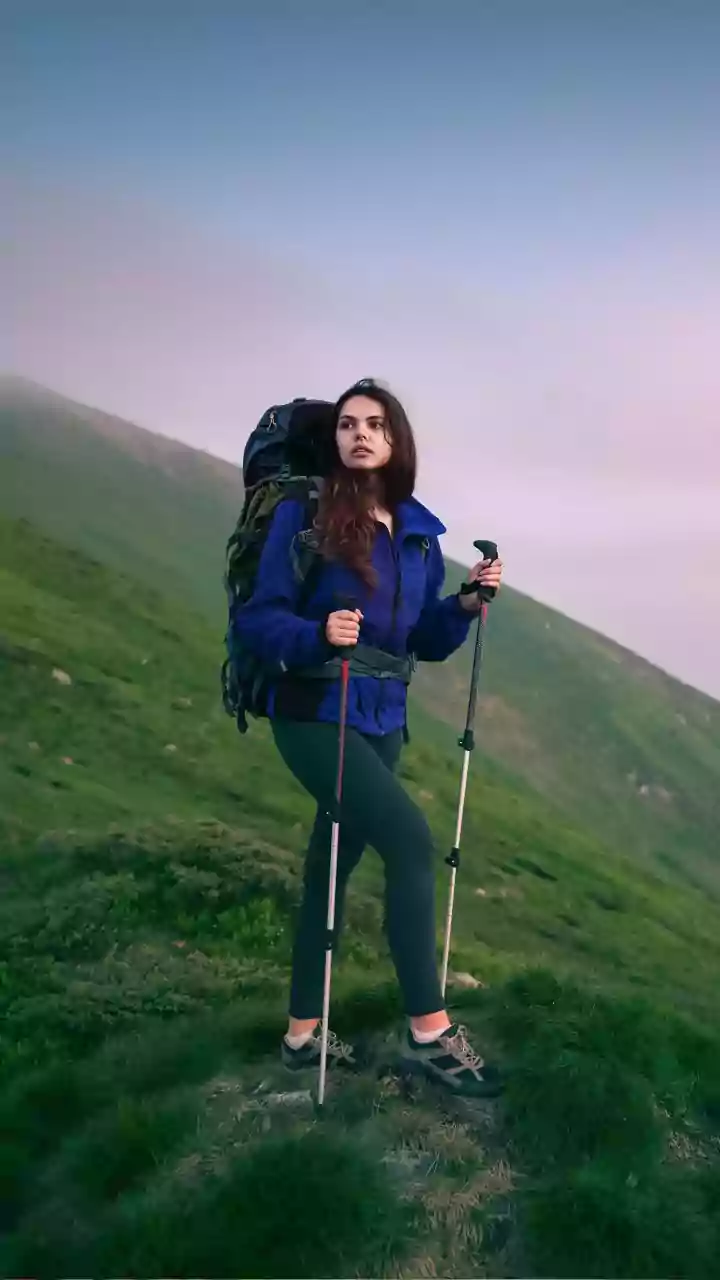
A good rucksack of 50-60 litres is usually sufficient for a multi-day monsoon trek. An absolute must-have is a reliable, fitted rain cover for your backpack. To organise and protect your belongings inside, use plastic bags or dedicated waterproof dry bags to separate wet clothes from dry ones and to safeguard your electronics. Trekking poles are highly recommended as they provide extra stability on slippery descents and reduce the strain on your knees. A headlamp with extra batteries is another essential, as visibility can drop quickly with fog or as evening approaches.
Health, Safety, and Other Must-Haves
A personal first-aid kit is essential. It should include basics like antiseptic wipes, bandages, blister plasters, pain relievers, and any personal medications. Given the monsoon conditions, also include salt or a sanitiser to deal with leeches, and a good insect repellent. To stay energised, pack high-energy snacks like nuts, energy bars, and dried fruits. Don't forget a reusable water bottle or hydration bladder to stay hydrated. A quick-dry towel is far more practical than a regular one. Finally, carry your personal identification in a waterproof pouch.