






What Exactly is Zone 2 Cardio?
Think of Zone 2 cardio as your 'conversation pace' exercise. It’s a low-to-moderate intensity activity where your heart rate is elevated to about 60-70% of its maximum, but you can still comfortably hold a conversation without gasping for breath. This
is the sweet spot where your body becomes incredibly efficient at using fat for fuel instead of carbohydrates. Unlike high-intensity interval training (HIIT), which involves short bursts of maximum effort, Zone 2 is about sustained, steady movement. The goal isn't to be completely exhausted, but to feel refreshed and energized after a session.
The Science-Backed Benefits for Desk Workers
For those of us leading sedentary lives, Zone 2 training is a game-changer. Its primary benefit is building a strong aerobic base, which is crucial for long-term health. Regular sessions strengthen your heart muscle, improve circulation, and can help lower your resting heart rate and blood pressure. This form of exercise also works wonders on a cellular level by increasing the number and efficiency of your mitochondria—the powerhouses of your cells. This boosts your energy levels and metabolic health, making your body better at managing blood sugar and using fat for energy. Best of all, because it's low-impact, the recovery demand is minimal, making it easier to stay consistent without the risk of burnout or injury.
How to Find Your Zone 2 Heart Rate
Finding your personal Zone 2 is simple. The most common method is to first estimate your maximum heart rate (MHR) by subtracting your age from 220. For example, if you are 35 years old, your estimated MHR is 185 beats per minute (bpm). Your Zone 2 range would then be 60% to 70% of that number, which is approximately 111 to 130 bpm. Another practical method is the 'talk test'. During your activity, you should be able to speak in full sentences. If you can sing, you're likely in Zone 1 and need to increase the intensity slightly. If you can only manage a few words at a time, you've pushed into a higher zone and should slow down. A heart rate monitor or fitness watch can provide more precise tracking, but it's not essential to get started.
The Best Low-Impact Workouts
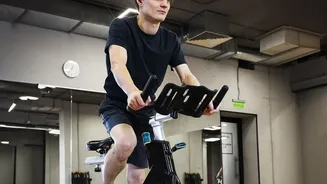
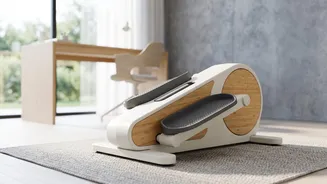
The beauty of Zone 2 is its accessibility. You don’t need a fancy gym membership or complicated equipment. The key is choosing a low-impact activity you can sustain. Brisk walking is a fantastic starting point, especially if you can find an incline to increase the challenge. Other excellent options include steady-pace cycling (either outdoors or on a stationary bike), swimming, light jogging, or using an elliptical machine. Even activities like rucking (walking with a weighted backpack) or aqua aerobics can effectively keep your heart rate in the target zone. The best exercise is the one you enjoy and will do consistently.
A Simple Plan to Get Started
Consistency is more important than intensity. Aim for two to three Zone 2 sessions per week to start. Each session should last at least 30-45 minutes to give your body time to reap the metabolic benefits. If you're short on time, break it up. Even taking a brisk 10-minute walking break every hour at work can contribute to your overall fitness. Focus on building the habit first. As your endurance improves, you can gradually increase the duration of your workouts. Listen to your body; the goal is to build fitness sustainably, not to push yourself to the point of exhaustion. You should finish each session feeling good, not drained.