


Goodbye Drawing Room, Hello Life
For generations, the 'drawing room' was a space of performance. It was kept pristine, reserved for receiving guests, with sofas shrouded in plastic and curios that were to be seen, not touched. This room was a family’s public face, a symbol of status
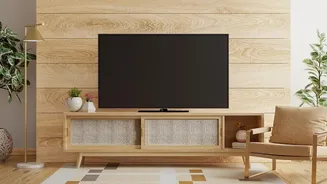
and formal hospitality. However, driven by urbanisation, smaller apartment sizes, and evolving family structures, this concept is fading. Today’s living room is no longer a static museum piece. It has become the epicentre of daily life—a space where children do homework, adults take work calls, and the family gathers for movie nights. This shift from a performative space to a personal, lived-in hub is redefining the very idea of home, prioritising comfort and utility over formality.
The New Mantra: Furniture That Does More
As living rooms have become more dynamic, so has the furniture within them. The primary demand now is for pieces that are adaptable, versatile, and, above all, functional. Single-purpose items is a luxury few can afford in compact urban homes. The 'more function, less furniture' approach is about clever design that serves multiple needs without creating clutter. This has fuelled a surge in popularity for multifunctional furniture, a trend accelerated by the work-from-home culture that solidified during the pandemic. Homeowners are now looking for smart investments that can adapt to their changing routines, from a impromptu home office to a space for entertaining friends.
The Heroes of the Modern Living Room
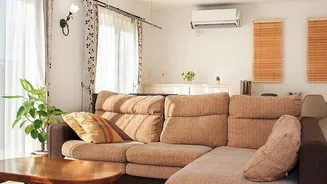
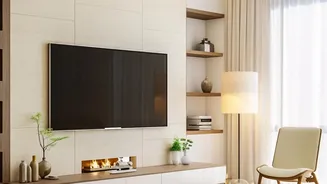
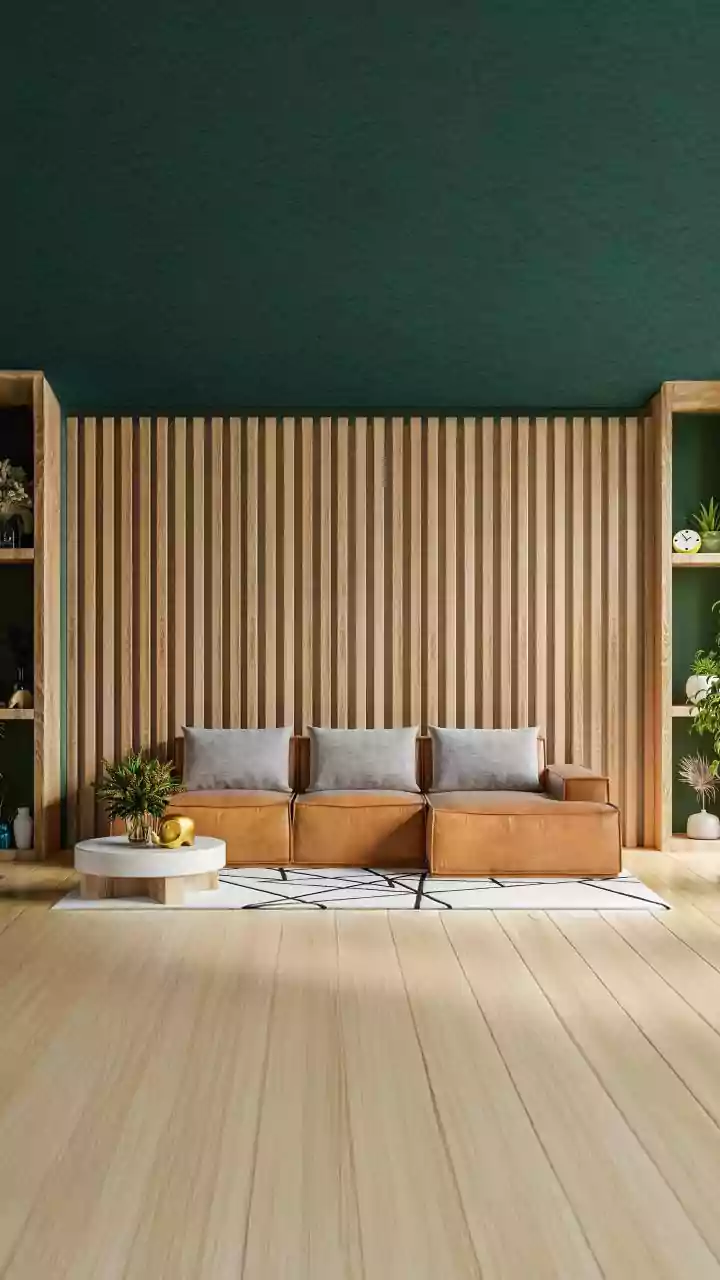
Several key furniture pieces have become stars of this transformation. The sofa-cum-bed is a prime example, allowing the living room to double as a guest room without sacrificing style. Modular sofas offer flexibility, allowing for rearrangement to suit any occasion, and often come with built-in storage for remotes and toys. Coffee tables are also evolving; some can be raised to become dining or work surfaces, while nesting tables can be spread out for guests and tucked away to save space. Ottomans with hidden storage are another simple but effective solution, providing seating while concealing blankets and magazines. Even wall units are being designed to include fold-down desks, providing a dedicated workspace that can disappear when not in use.
A Shift in Aesthetics and Materials
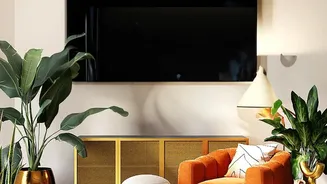
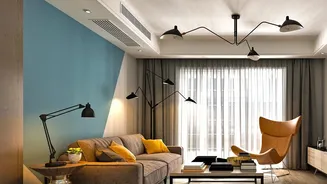
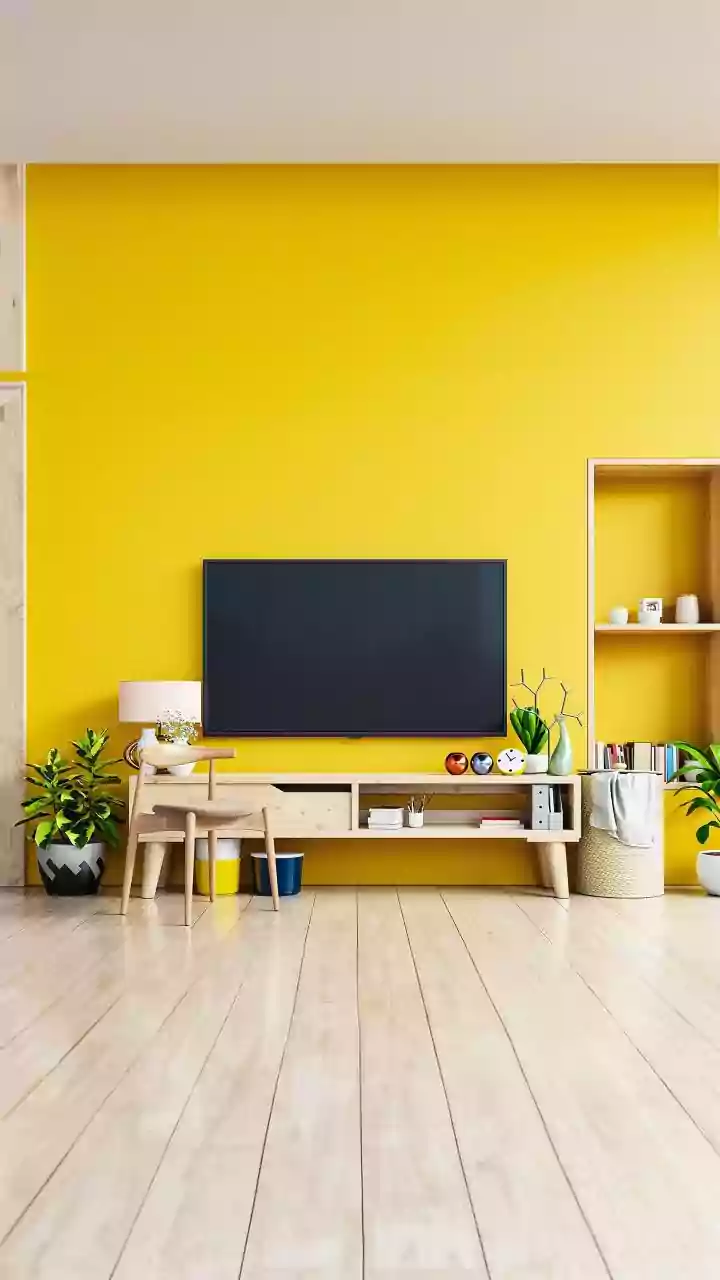
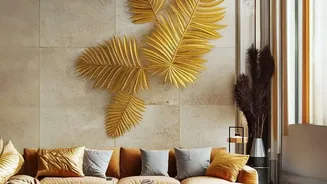
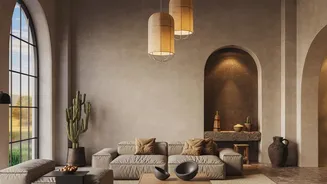
This functional shift is accompanied by an aesthetic one. The heavy, ornate wooden furniture symbolic of older drawing rooms is giving way to cleaner lines and more personal styles. While traditional craftsmanship like intricate carvings still holds value, it's often blended with modern, minimalist sensibilities to create a unique 'India Modern' look. There's a growing preference for natural materials and earthy tones, but also a confident return of vibrant colours through textiles and decor. Sofas are becoming softer and more inviting, with curved shapes replacing boxy designs. The focus is less on announcing wealth and more on creating an atmosphere of comfort and personal expression. This blend of global trends like minimalism with Indian craftsmanship results in spaces that feel both contemporary and deeply rooted.