




First, What Is a Yield Gap?
Imagine the difference between a student’s potential score on a test and the score they actually get. The agricultural yield gap is similar. It's the difference between the maximum possible crop output on a piece of land under ideal conditions and what
a farmer actually harvests. A small gap means a farm is highly efficient. A wide gap, however, signals that a farm is underperforming due to various constraints. For instance, while irrigated wheat farms in northwest India can reach 80% of their potential yield, many other farms across the country operate at 50% or less of their potential. This gap isn't just a number; it represents lost food, lost income, and wasted resources.
India's Agricultural Paradox
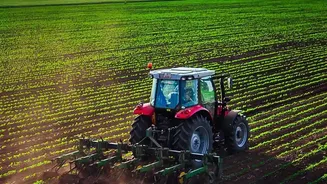
India is an agricultural powerhouse, a top global producer of staples like rice, wheat, and pulses. Yet, it simultaneously struggles with low productivity. While the nation covers vast areas with crops, the yield per hectare often lags behind global averages. For example, despite record rice production, significant yield gaps persist, especially in Eastern India. This paradox is rooted in a complex mix of challenges. Over 60% of India's farmland is still dependent on the unpredictable monsoon, making agriculture a gamble against the weather. Add to this fragmented landholdings that prevent the efficient use of machinery, soil degradation from decades of intensive farming, and unequal access to modern technology, and the picture becomes clear. Many farmers still use traditional methods, unable to afford or access high-yield seeds, proper fertilisers, and efficient irrigation that could dramatically boost their output.
The Dangerous 'Elsewhere' Problem
This brings us to the headline's core warning. When existing farms can't produce enough to meet rising demand, the pressure mounts to find new land for cultivation. This is the 'elsewhere' problem. This process, known as agricultural extensification, often means clearing forests, converting grasslands, and encroaching on ecologically sensitive areas. It's a short-term fix with devastating long-term costs: biodiversity loss, disrupted ecosystems, and increased carbon emissions. Studies have shown that negative shocks to agricultural productivity can directly lead to deforestation as farmers expand their land to compensate for lower yields or seek alternative incomes from forest products. In a country with finite land and precious natural habitats, simply expanding our agricultural footprint is not a sustainable option.
Closing the Gap, Not Clearing the Land
The solution, therefore, is not extensification but intensification—getting more from the land we already farm. Closing the yield gap is crucial. This doesn't mean repeating the mistakes of the past with excessive chemical use, but embracing smart, sustainable practices. Key strategies include improving water management through micro-irrigation techniques like drip and sprinkler systems, which can boost yields significantly while conserving water. Promoting soil health through regular testing and balanced nutrient use is also vital to restore fertility. Furthermore, empowering farmers with knowledge, better access to credit for quality inputs, and ensuring fair market prices are institutional supports that can make a massive difference. Government initiatives promoting digital agriculture and providing crop insurance are steps in the right direction, but their implementation and reach need to be strengthened.