




A Game Changer for Wildlife Tourism
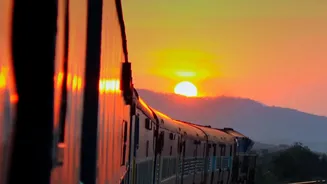
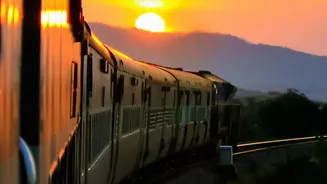
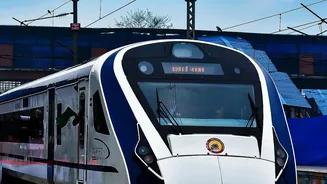
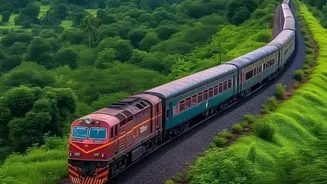
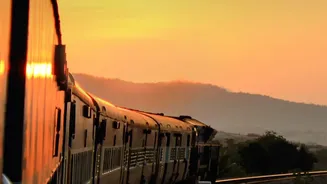
Indian Railways has launched a series of new overnight express services aimed squarely at boosting tourism in the tiger-rich landscapes of Madhya Pradesh and Maharashtra. These trains are designed to connect major metropolitan hubs like Mumbai, Delhi,
and Kolkata with key railway stations that act as gateways to some of the country's most spectacular national parks. By scheduling departures in the evening and arrivals in the early morning, these services allow travellers to save on a night's accommodation and wake up fresh at the doorstep of the wilderness. This initiative not only enhances connectivity but also makes wildlife expeditions significantly more budget-friendly, opening them up to students, families, and solo travellers who may have previously found such trips financially out of reach.
Your Gateway to the Tiger Corridors
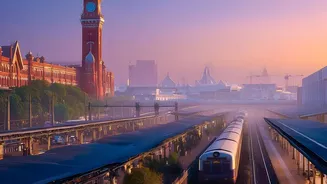
The new services primarily target the key railheads of Jabalpur and Katni in Madhya Pradesh, and Nagpur and Chandrapur in Maharashtra. From these stations, several premier tiger reserves are just a short road trip away. Jabalpur serves as the main entry point for Kanha National Park, celebrated for its sprawling meadows and diverse fauna, as well as Bandhavgarh National Park, which boasts one of the highest tiger densities in India. Umaria is another crucial station specifically for Bandhavgarh. For those heading to the parks in Maharashtra, Nagpur is the ideal hub for accessing Pench National Park, the inspiration for Rudyard Kipling's "The Jungle Book". Further south, Chandrapur station provides the closest rail access to Tadoba Andhari Tiger Reserve, renowned for its frequent tiger sightings.
Travel Smart: Timings and Affordability
The 'pocket-friendly' appeal of these trains is twofold. First, the overnight journey eliminates the cost of one night in a hotel. Travellers can board a train late in the evening and arrive at their destination station between 6 and 8 AM, ready to transfer to their jungle lodge or pre-booked safari. This maximises time on the ground and minimises unproductive travel hours. Secondly, the fares themselves are structured to be economical. While pricing varies based on the class of travel (Sleeper, 3AC, 2AC), a one-way ticket on these new express services is significantly cheaper than air travel, making the entire trip more accessible. For instance, a journey that might cost thousands by air can be completed for a fraction of the price by rail, leaving more in the budget for safaris and comfortable stays.
How to Plan Your Expedition
Planning a trip using these new train services is straightforward. Train tickets can be booked up to 120 days in advance through the official IRCTC website or mobile app. Given the popularity of these routes, especially during peak season (October to April), booking well in advance is highly recommended. Once your train tickets are secured, the next step is to book your jungle safaris. This must be done online through the respective state's forest department portals for Madhya Pradesh or Maharashtra. Safari permits, particularly for core zones, sell out very quickly. Finally, arrange for a taxi from the destination railway station to your chosen resort or lodge. Most hotels offer this service or can recommend reliable local operators. A pre-booked taxi ensures a seamless transition from your train journey to your wildlife adventure.
More Than Just Tigers
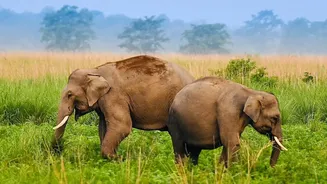
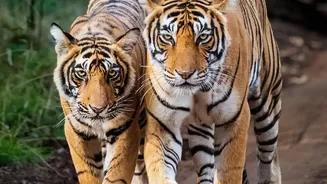
While the Royal Bengal Tiger is undoubtedly the star attraction, the national parks of Central India offer a rich tapestry of biodiversity. A safari here is an opportunity to see leopards, sloth bears, Indian gaur (bison), and packs of wild dogs (dholes). The forests are also home to hundreds of bird species, from the crested serpent eagle to the Indian roller. The varied landscapes, from the dense sal forests of Kanha to the bamboo thickets of Tadoba, are a spectacle in themselves. These new train routes provide an affordable and convenient way to experience this incredible natural heritage, encouraging a deeper appreciation for India's wild spaces and the importance of their conservation.