




The Monsoon's Official Snack
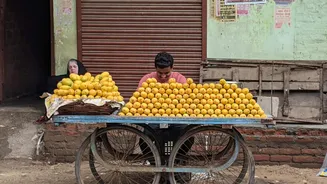
Across India, the arrival of the monsoon is inextricably linked with the craving for 'bhutta', or roasted corn on the cob. As clouds gather and the first drops of rain hit the dry earth, roadside vendors, known as 'bhuttawallas', appear with their carts
piled high with fresh corn. This isn't just a coincidence; corn is harvested during the summer and monsoon months, ensuring the cobs sold on the streets are fresh and full of flavour. The cool, damp weather creates the perfect backdrop for a hot, savoury snack, making bhutta a seasonal ritual that brings people together on rainy evenings, from bustling city streets to quiet mountain roads.
An Artform Roasted Over Coals
The magic of bhutta lies in its preparation, a theatrical display of skill over a small charcoal stove. The vendor, with practiced hands, peels back the husks and places the corn directly over the glowing embers. Fanning the coals, they expertly turn the cob, ensuring each side is perfectly charred without being burnt. The air fills with the crackling sound of kernels popping and the distinct, irresistible smell of smoke. This process is a sensory experience in itself—the sight of the glowing fire, the sound of the popping corn, and the smoky aroma that promises a delicious treat is all part of the charm that draws crowds.
A Symphony of Simple Spices
Once the corn is roasted to perfection, with a beautiful mosaic of golden and blackened kernels, the final act begins. The vendor takes half a lime, dips it into a mixture of spices, and rubs it vigorously all over the hot cob. This simple but potent blend typically consists of salt, red chilli powder, and often chaat masala or black salt (kala namak). The heat from the corn releases the oils from the spices, while the lime juice adds a bright, tangy kick that cuts through the smokiness. The result is a flavour explosion: salty, spicy, tangy, and smoky all in one bite, a taste profile that is quintessentially Indian.
More Than Just the Cob
While the classic roasted bhutta remains the star, the versatility of corn has led to a variety of other popular street-side preparations. Steamed corn cups have become a ubiquitous sight, especially in malls and movie theatres. Here, tender sweet corn kernels are steamed and tossed with butter, salt, and an assortment of spices, offering a less rustic but equally satisfying experience. Another favourite is corn chaat, where boiled corn is mixed with chopped onions, tomatoes, green chillies, and a generous squeeze of lemon, creating a refreshing and tangy salad. From crispy corn pakoras (fritters) to grated corn dishes like 'Bhutte ka Kees' popular in Indore, corn proves its adaptability in India's diverse street food scene.
A Unifying Cultural Experience
Though corn, or 'makai', is believed to have been introduced to India around 400 years ago, it has been thoroughly embraced by the culture. The masala bhutta is considered a uniquely Indian invention. Enjoying it is a shared ritual that cuts across class and region. It’s an affordable pleasure, accessible to everyone from students to families out for an evening stroll. For many, the taste of bhutta is deeply tied to nostalgia—memories of childhood holidays, walks in the rain, and the simple joy of sharing a warm snack with loved ones. It’s more than just a quick bite; it’s a comforting, communal experience that embodies the spirit of Indian street food.