






Why Wet Grass is a Problem
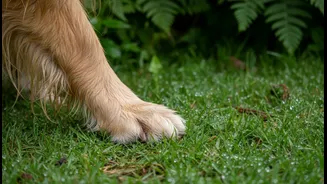
India's monsoon season creates the perfect storm of high humidity and ample moisture, turning grassy parks and roadsides into a breeding ground for parasites and fungi. When a dog's coat gets wet and remains damp, it creates a warm, humid microenvironment
against their skin. This is an ideal condition for bacteria and fungi to multiply, leading to a spike in skin-related issues for dogs during the rainy season. What seems like a harmless walk can expose your pet to ticks, fleas, fungal spores, and other irritants that thrive in these exact conditions. Simply put, the danger isn't the water itself, but what grows and lives within it.
Ticks and Fleas: The Obvious Invaders
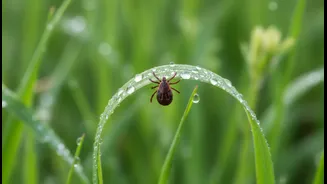
The monsoon is peak season for ticks and fleas. These parasites flourish in warm, moist environments and can easily latch onto your dog as they brush past tall grass. Ticks can transmit serious blood-borne diseases like babesiosis and ehrlichiosis, which are a significant concern in India and can be fatal if missed. Fleas cause intense itching and can lead to allergic reactions and tapeworms. Even a few parasites can quickly lead to a full-blown infestation in your home. That is why a thorough check after every single walk is not optional, but essential for your dog's health and your own peace of mind.
The Threat of Skin Infections
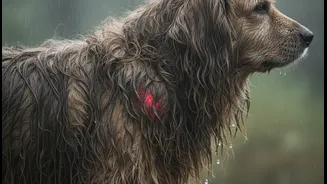
Constantly damp fur is a primary cause of skin problems during the monsoon. One of the most common issues is fungal infections like ringworm (which is a fungus, not a worm) and yeast dermatitis. These lead to itchy, circular bald patches, scaly skin, and a musty odour. Another serious concern is acute moist dermatitis, commonly known as 'hot spots'. These are painful, red, and weeping patches of skin where bacteria have multiplied rapidly under wet fur. They can appear suddenly and expand within hours, causing significant discomfort for your dog. Breeds with long hair or skin folds are particularly at risk.
A Step-by-Step Post-Walk Check
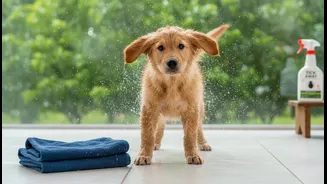
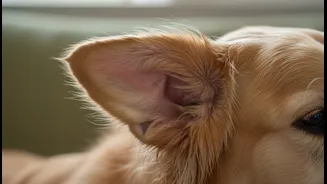
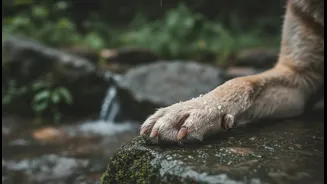
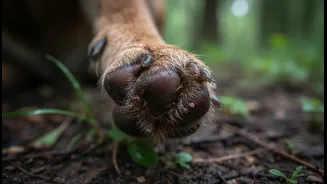
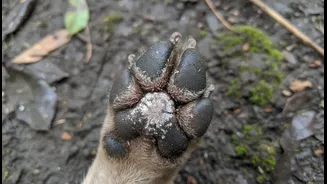
Making a fur inspection part of your daily routine takes only a few minutes. First, thoroughly towel-dry your dog, paying special attention to their paws, belly, ears, and any skin folds. Once they are mostly dry, run your hands all over their body, feeling for any small bumps or irregularities on the skin. Visually inspect the areas where ticks love to hide: inside and behind the ears, under the collar, between the toes, around the eyes, in their 'armpits', and under the tail. A fine-toothed comb can also help you part the fur for a closer look, especially on dogs with thick or dark coats.
Leeches and Water-Borne Risks
In many parts of India, leeches are another monsoon menace found in damp, vegetated areas. They can attach to your dog's skin or, in some cases, enter their nostrils, causing bleeding and distress. If you find a leech, it can be removed by gently sliding a flat object like a fingernail or credit card against the skin to break the suction. Beyond visible pests, stagnant puddles, which are common during monsoon, can harbour dangerous bacteria like Leptospira, which causes leptospirosis. This serious illness is spread through the urine of infected animals, particularly rats, and can lead to kidney and liver failure. Always carry fresh water for your dog and prevent them from drinking from puddles.