

Tired of hazy cityscapes obscuring the horizon? Across India, there are mountain sanctuaries where the air is crisp, the skies are a brilliant blue, and the Himalayan peaks feel close enough to touch. Here’s where to find them.
Kausani, Uttarakhand
Often called the 'Switzerland
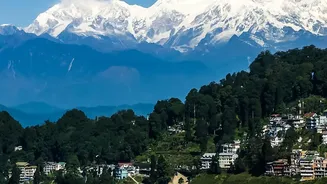
of India', Kausani is a small hill station in the Bageshwar district famous for its breathtaking 300-km panoramic view of the Himalayas. On a clear day, you can see the towering peaks of Nanda Devi, Trishul, and Panchachuli right from your hotel window. The best time for these uninterrupted views is from September to November, after the monsoon has washed the dust from the atmosphere, leaving behind sharp, clear horizons. The post-monsoon autumn season offers the clearest skies of the year, perfect for photographers and peace-seekers alike. Mornings are particularly magical, as the rising sun paints the snow-capped peaks in shades of gold and orange. Visitors can walk through the Kausani Tea Estate or visit the Anasakti Ashram for quiet contemplation against a spectacular mountain backdrop.
Munsiyari, Uttarakhand
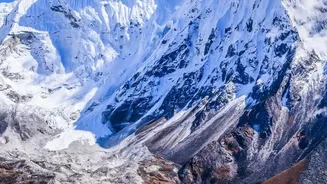
For those willing to venture further into the Kumaon Himalayas, Munsiyari offers a raw, up-close encounter with the mountains. The main draw here is the staggering view of the Panchachuli massif—a group of five snow-clad peaks that, according to legend, were the final cooking hearths of the Pandavas. Munsiyari serves as the base for treks towards these peaks, but you don't need to be a mountaineer to enjoy the view. Viewpoints like the Nanda Devi Temple offer a direct, unobstructed panorama of the range. The period from October to December is ideal for the crispest views, when the air is cold and free of haze. Unlike many other viewpoints, Munsiyari's proximity makes the mountains feel immense and incredibly detailed, a truly humbling sight.
Spiti Valley, Himachal Pradesh
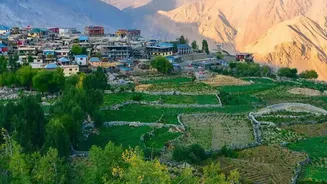
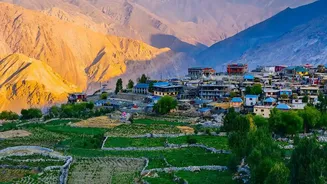
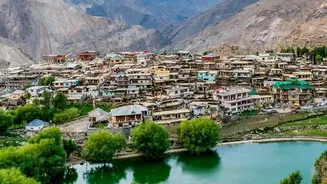
Spiti is not just a destination; it's a high-altitude cold desert that promises some of the clearest skies in India. Its location in a rain shadow area means it receives very little rainfall, resulting in cloudless blue skies for much of the year. While the mountain views are stark and stunning, Spiti is especially renowned for its stargazing. With minimal light pollution and altitudes often exceeding 12,500 feet, villages like Kaza, Kibber, and Langza offer a celestial spectacle. On a moonless night, the Milky Way is not just a faint smudge but a brilliant, glowing band across the sky. The best time for most travellers is from June to September, when the roads are accessible and the weather is manageable. For dedicated stargazers, the colder months of November to February offer even drier, clearer air, though temperatures can be extreme.
Sandakphu, West Bengal
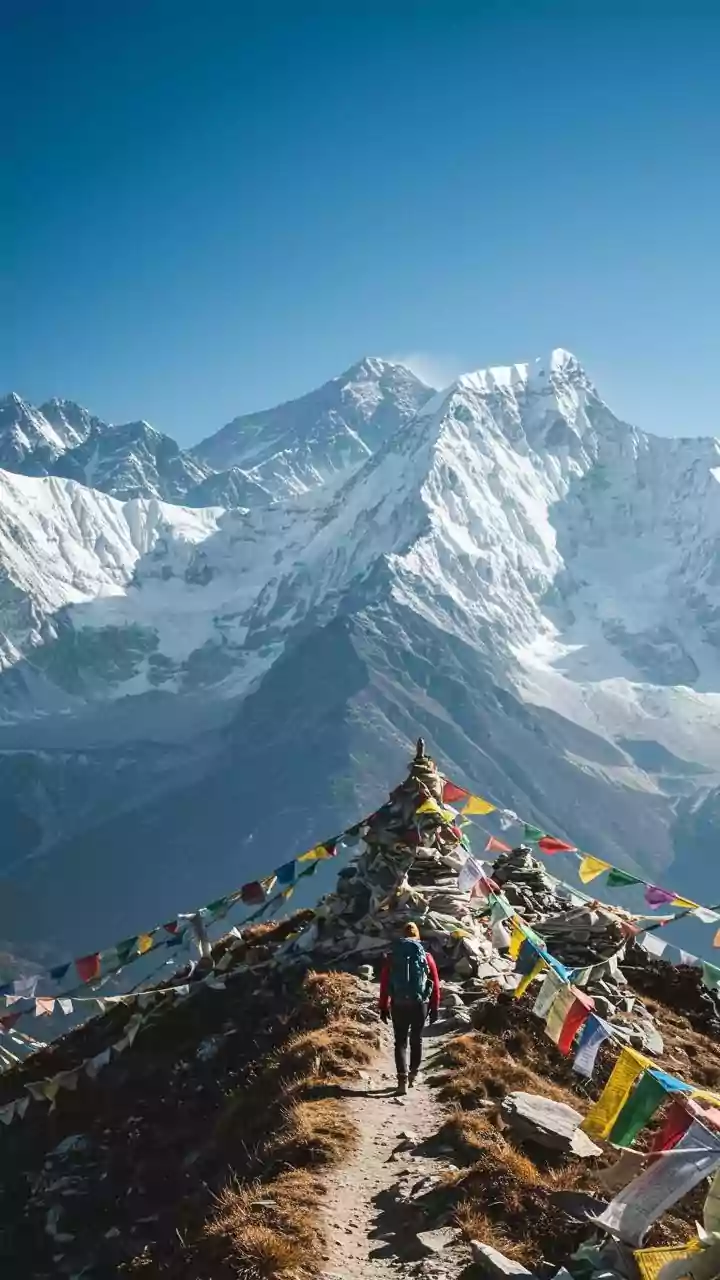
For a truly unique Himalayan panorama, the trek to Sandakphu on the border of India and Nepal is unparalleled. It is one of the few places in the world from where you can see four of the five highest peaks on Earth: Mount Everest, Kanchenjunga, Lhotse, and Makalu. The view is dominated by the Kanchenjunga range, which appears as a majestic formation known as the 'Sleeping Buddha'. The best seasons for this incredible vista are autumn (October to December) for crystal-clear views after the monsoon, and spring (March to May) when the rhododendrons are in full bloom. While reaching Sandakphu requires a multi-day trek, the reward is a horizon filled with a seemingly endless wall of the world's most formidable mountains, glowing golden at sunrise.