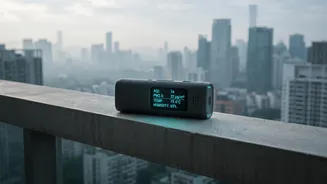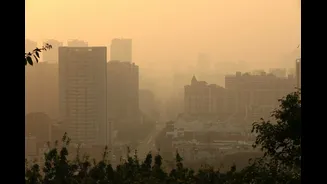







The festive lights have dimmed, but a familiar hazy blanket often settles over our cities post-Diwali. For the health-conscious, this creates a dilemma: is the beloved morning walk still a good idea when the air itself feels heavy and unhealthy?
The Invisible Threat in the Morning Air
The smoky,
hazy air that follows Diwali celebrations is laden with pollutants far more dangerous than what is visible. The primary culprits are fine particulate matter known as PM2.5 and PM10. These microscopic particles, originating from firecracker emissions, vehicular traffic, and other sources, are small enough to bypass the body's natural filters and penetrate deep into the lungs. When you exercise, your breathing rate increases, causing you to inhale a much larger volume of this polluted air. This can lead to a host of health problems, from immediate issues like coughing, throat irritation, and shortness of breath to the aggravation of existing conditions like asthma and bronchitis. Doctors consistently report a spike in respiratory illnesses following the festival, highlighting the real danger of strenuous activity in poor air.
Decoding the Air Quality Index (AQI)
Fortunately, you don't need to be a scientist to understand air quality. The Air Quality Index, or AQI, is a simple, colour-coded tool that translates complex data into an easy-to-understand score from 0 to 500. This single number represents the concentration of major pollutants in the air. Indian authorities classify the AQI into six categories: Good (0-50), Satisfactory (51-100), Moderate (101-150), Poor (151-200), Very Poor (201-300), and Severe (301+). Each colour-coded level corresponds to a specific level of health concern, providing clear guidance on who is at risk and what precautions to take.
Your Digital Toolkit for Checking Air Quality
Accessing real_time AQI data has never been easier. Several reliable mobile applications and websites can give you an hourly reading for your specific location. For the most authoritative data, the government's own 'Sameer' app by the Central Pollution Control Board (CPCB) pulls information directly from official monitoring stations. Another government initiative, 'SAFAR_Air', provides forecasts for major metros like Delhi, Mumbai, Pune, and Ahmedabad. Other popular and reliable third_party apps like IQAir AirVisual and BreezoMeter offer detailed breakdowns, global data, and even street_level mapping, helping you make informed decisions before you step outside.
How to Plan Your Walk Based on the AQI
Knowing the AQI is the first step; acting on it is what protects your health. Here is a simple guide for your morning walk:
- Good (0–50) & Satisfactory (51–100): The air quality is acceptable. It's generally safe for everyone to enjoy their regular outdoor activities. However, unusually sensitive individuals might consider reducing heavy exertion at the higher end of this range.
- Moderate (101–150): This is 'Unhealthy for Sensitive Groups'. People with lung disease, asthma, heart conditions, as well as children and older adults, should reduce prolonged or heavy exertion. For healthy individuals, a less intense or shorter walk is advisable.
- Poor (151–200) & Very Poor (201–300): This air is unhealthy for everyone. It's strongly recommended to avoid strenuous outdoor exercise. If a walk is necessary, make it short and slow. Shifting your workout indoors is the safest option.
- Severe (301+): This is a health emergency. All outdoor physical activity should be avoided by everyone. Staying indoors with windows closed is the best course of action.
Smarter Strategies for Safer Mornings
Beyond checking the AQI, a few other strategies can help. Pollution levels often peak in the late afternoon and are generally lower in the early morning, so timing your walk can make a difference. If you must go out in poor air quality, wearing a well–fitting N95 or N99 mask can help filter out harmful particulates. Consider walking in parks or green spaces, which may have slightly better air quality than areas with heavy traffic. Finally, stay hydrated and listen to your body. If you feel any discomfort, such as chest tightness or unusual breathlessness, it's a sign to stop and head indoors immediately.