







The Unseen Kitchen Cost
When you scan a restaurant menu, you see the prices of paneer tikka and dal makhani, but you don't see the cost of the fuel used to fire up the tandoor and simmer the gravy. For the vast majority of India's restaurants, hotels, and caterers, the single
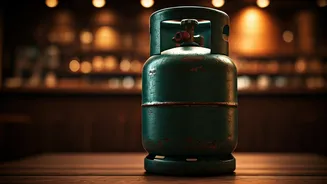
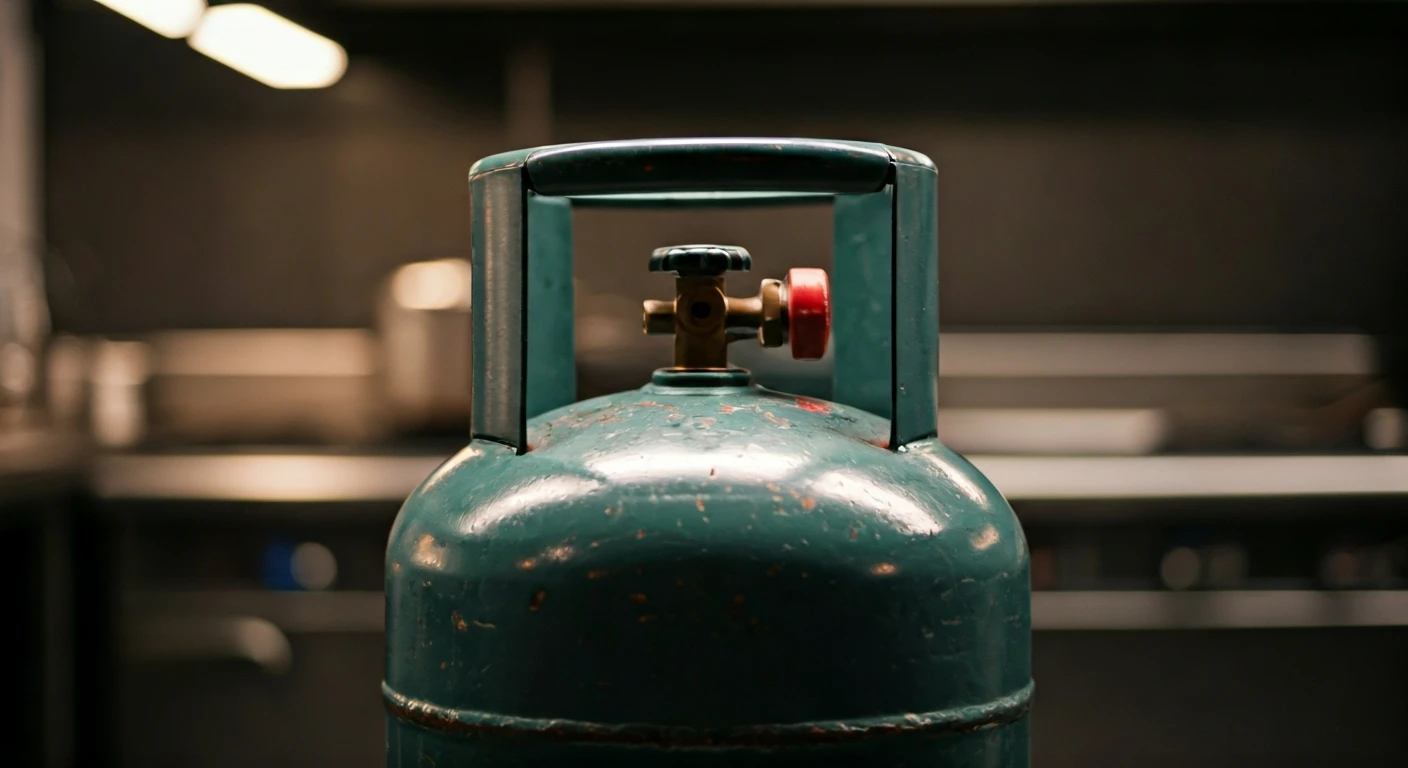
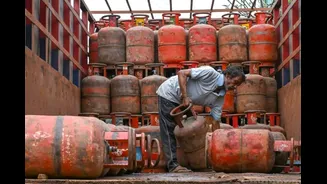
most critical fuel is commercial Liquefied Petroleum Gas (LPG). Unlike the subsidised domestic cylinders we use at home, restaurateurs rely on 19-kg commercial cylinders, and their prices are a different, far more volatile story. Fuel is a core operational expense, and when its cost surges, it puts immense pressure on already thin profit margins. This isn't a minor detail; it's a fundamental component of a restaurant's financial health that has a direct line to the final price on your bill.
A Rollercoaster of Price Hikes
The price of commercial LPG has been on a wild ride. Throughout the first half of 2026, restaurants have faced a series of sharp increases. For instance, after several hikes, the price for a 19-kg cylinder in Delhi shot up past the ₹3,100 mark in June. These increases weren't small; one hike in May was a steep ₹993 jump in one go. While a recent price cut on July 1, 2026, brought some relief, slashing the cost by about ₹183 in Delhi to ₹2,930, it came after a period of intense inflation. This was the first reduction of the year, following multiple hikes that had cumulatively added over ₹1,300 to the cost of a single cylinder since March. This constant fluctuation makes it incredibly difficult for business owners to plan and maintain stable pricing.
The Restaurateur's Dilemma
Faced with such a dramatic rise in a key input cost, what is a restaurant owner to do? The obvious answer is to pass the cost on to the customer. Industry bodies like the National Restaurant Association of India (NRAI) have repeatedly warned that menu price hikes of 10-15% become unavoidable under such pressure. However, it's not that simple. As one restaurateur noted, you can't keep reprinting menus and increasing prices every month. Customers are price-sensitive, and frequent hikes can deter them from dining out. This leaves owners in a tight spot: absorb the cost and watch profits evaporate, or raise prices and risk losing customers. Many try to find a middle path by improving efficiency, trimming menus, or exploring alternatives like induction cooktops, but these are not always feasible or immediate solutions.
Beyond the Burner
LPG is a major character in this story, but it's not the only one. Restaurant operating costs are a complex mix of expenses, all of which have been rising. Rent for prime locations, staff salaries, the cost of raw ingredients like vegetables and dairy, and electricity bills all contribute to the overhead. On top of this, commissions paid to food delivery aggregators can eat up a significant portion of the revenue from online orders. A spokesperson for the Federation of Hotel & Restaurant Associations of India (FHRAI) has highlighted that rising fuel costs have a cascading effect, impacting employment, tourism-linked services, and the entire supply chain connected to hospitality. When the price of fuel goes up, the cost of transporting all other raw materials also increases, adding yet another layer of expense.