


Understanding the Danger of Trans-Fats
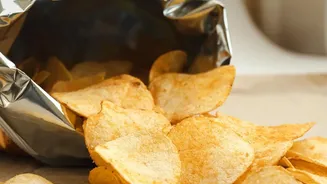
The primary villain in many commercially fried and processed foods is artificial trans-fat. Created by adding hydrogen to vegetable oil, this process, known as partial hydrogenation, makes oils more stable for deep frying and extends product shelf life.
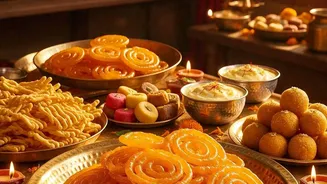
Unfortunately, this convenience comes at a high cost to your heart. Medical experts consider trans-fat to be the worst type of fat you can eat. It negatively impacts your cholesterol levels by raising the 'bad' LDL cholesterol, which can lead to clogged arteries, while simultaneously lowering the 'good' HDL cholesterol that helps remove excess cholesterol from your body. This double-whammy effect significantly increases the risk of heart disease and stroke. While many manufacturers have reduced or eliminated trans-fats, they can still be present in some fried and processed snacks.
Swap for: Spiced Roasted Chickpeas
Instead of greasy chips, try a batch of crispy roasted chickpeas. These legumes are packed with plant-based protein and fibre, which help you feel full and satisfied. The preparation is incredibly simple: drain and rinse a can of chickpeas, pat them thoroughly dry, toss them with a little olive oil and your favourite spices—like smoked paprika, cumin, or garlic powder—and bake in a hot oven until they are golden and crunchy. They provide the same satisfying crunch as a chip but deliver vital nutrients instead of empty calories and unhealthy fats.
Swap for: Baked Sweet Potato Wedges
Crave the flavour of a potato? Switch to its more nutrient-dense cousin. Sliced into wedges, lightly coated in heart-healthy olive oil, and baked until tender on the inside and crisp on the outside, sweet potatoes are a fantastic alternative. They are rich in vitamins, particularly beta-carotene (a precursor to vitamin A), and fibre. This swap gives you the starchy satisfaction and shape of a chip or fry but with far less fat and sodium, making it a much kinder choice for your cardiovascular system.
Swap for: A Handful of Nuts and Seeds
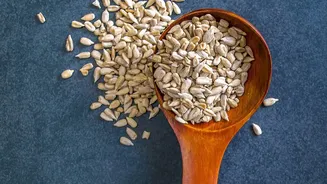
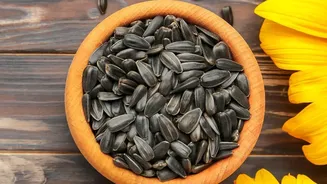
For a snack that requires zero cooking, a small handful of mixed nuts and seeds is a powerhouse of heart-protective benefits. Almonds, walnuts, and pecans, along with seeds like flax and chia, are rich in unsaturated fats, omega-3 fatty acids, and fibre. Studies show that regularly eating nuts can help lower bad cholesterol levels, reduce inflammation, and decrease the risk of blood clots. The key is portion control, as they are calorie-dense. A small handful is enough to curb hunger and provide a wealth of health benefits.
Swap for: Vegetable Sticks with Hummus
When the desire for crunch and dip strikes, raw vegetable sticks are an excellent choice. Sliced cucumbers, bell peppers, carrots, and celery provide a refreshing crunch with virtually no fat. Paired with hummus—a dip made from chickpeas, tahini, olive oil, and lemon juice—you get a snack rich in fibre, healthy fats, and protein. This combination is hydrating, nutritious, and far superior to dipping fried chips into a processed, cream-based dip. You satisfy your snacking impulse while actively nourishing your body.