





Decoding the 'Clean Label' Trend
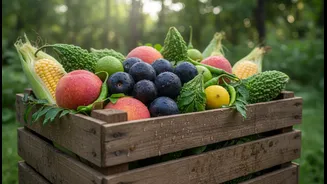
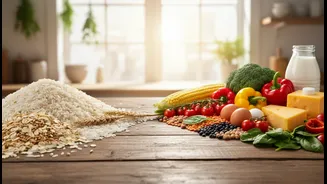
The clean label movement is a consumer-driven push for transparency and simplicity in food. At its core, it’s about choosing products with short, simple ingredient lists that are easy to understand. Shoppers are increasingly looking for foods that are free
from artificial colours, flavours, and preservatives, and made with ingredients they can recognise. The term implies that a product is minimally processed, maintaining its natural integrity from the source to the shelf. This trend is growing rapidly in India, where a significant number of urban consumers now actively read labels and avoid artificial additives.
Olive Oil: The Clean Processing Champion
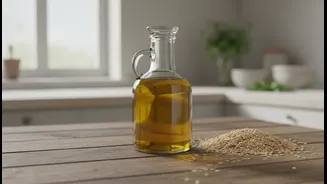
Extra virgin olive oil (EVOO) is a prime example of a clean label product, and it all comes down to how it's made. True EVOO is simply the juice of olives, extracted through mechanical means without the use of high heat or chemical solvents. The process starts with harvesting fresh olives, which are quickly transported to a mill, washed, and then crushed into a paste. This paste is then slowly mixed (a process called malaxation) before being spun in a centrifuge to separate the oil from the water and solid fruit matter. The result is an unrefined oil that retains the natural vitamins, antioxidants (like polyphenols), and flavour of the original fruit.
The Industrial Journey of Refined Seed Oils
In stark contrast, many common seed oils—like those from sunflower, soybean, corn, and canola—undergo a complex, multi-step industrial process. Extraction often starts with crushing the seeds, followed by washing them with a chemical solvent, typically hexane, to maximise the oil yield. What follows is a series of refining steps to make the oil palatable and shelf-stable. This includes neutralization with an alkali to remove free fatty acids, bleaching with clays to remove pigments, and deodorization at very high temperatures to remove any unwanted smells or tastes. This heavy processing strips the oil of many natural nutrients and antioxidants that were present in the original seed.
The Health Equation: Fats and Antioxidants
The different processing methods create two very different final products. Extra virgin olive oil is rich in monounsaturated fats, particularly oleic acid, which is known for its heart-health benefits. Crucially, it's also packed with polyphenols, which are powerful antioxidants with anti-inflammatory properties. Refined seed oils, on the other hand, are often high in polyunsaturated omega-6 fatty acids. While omega-6 is essential, modern diets tend to have an imbalanced, excessive amount of it, which some research links to inflammation. Furthermore, the harsh refining process removes virtually all of the beneficial polyphenols that might have been present in the seeds.
Making Sense in the Indian Kitchen
For the Indian consumer, this doesn't mean abandoning traditional cooking fats like mustard oil or ghee. Instead, the clean label movement encourages a more conscious approach to all the oils we buy. The trend is already influencing the Indian market, with a clear preference for natural and organic ingredients emerging, especially in urban areas. When choosing a cooking oil, understanding its journey from farm to bottle is key. The preference for extra virgin olive oil within the clean label trend is a vote for transparency and minimal intervention—letting the natural goodness of the ingredient shine through.