



Why August is a Strategic Pruning Month
Across India, the heavy rains of June and July spur vigorous growth, but this can also lead to problems. Plants can become leggy, dense foliage can trap humidity, and the risk of fungal diseases like powdery mildew or black spot increases. August pruning
is a strategic intervention. By selectively trimming plants now, you improve air circulation, which is crucial in the humid weather. It also helps manage the wild growth, giving your garden a more controlled shape. Most importantly, for many flowering shrubs, a mid-monsoon trim stimulates the growth of new shoots, which are what will produce the next round of flowers before the season turns.
Know What to Prune: The Green Light List
Many common Indian garden plants respond exceptionally well to an August trim. This is the time to be bold with plants that flower on new growth. Hibiscus, a garden staple, can be cut back to remove weak stems and spent flowers, encouraging larger, healthier blooms. Bougainvillea, which can get messy during the rains, benefits from a light shaping to manage tangled branches and promote the new growth that carries its colourful bracts. Similarly, jasmine varieties like Mogra thrive after a post-flowering trim, which helps produce stronger, more fragrant blossoms. Other candidates for a light to moderate pruning now include fast-growing hedge plants like Duranta and flowering shrubs such as Ixora, both of which will become denser and more shapely.
What Not to Prune: The Hands-Off List
Just as important as knowing what to cut is knowing what to leave alone. Pruning at the wrong time can stress a plant or, even worse, eliminate next year's flowers. Roses are a prime example; while deadheading old flowers is fine, major pruning is best left until after the monsoon, around September or October, to avoid inviting fungal infections on fresh cuts during the wettest part of the year. Also, avoid pruning any shrubs that bloom on 'old wood'—meaning the flower buds for next season are already forming on this year's stems. Many fruit trees, like mango and guava, should also be left alone as they are either fruiting or directing energy towards recovery and new growth, and pruning would add unnecessary stress.
The Right Technique for a Healthy Cut
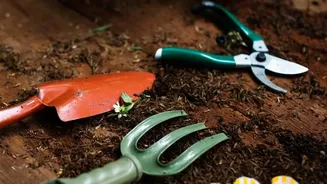
How you prune is as critical as when. Always use sharp, clean tools—like bypass secateurs that make a clean cut without crushing the stem. Disinfect your blades with rubbing alcohol before you start and after cutting any diseased part of a plant to avoid spreading pathogens. When trimming a branch, make your cut at a 45-degree angle about a quarter-inch above an outward-facing leaf node. This angle allows water to run off, and an outward-facing node encourages new growth to sprout away from the center of the plant, maintaining good air circulation. For flowering plants, the goal is often to remove spent blooms (deadheading) and thin out crossing or weak branches, rather than a hard cutback.