






The Fan’s Real Job: Creating a Wind Chill
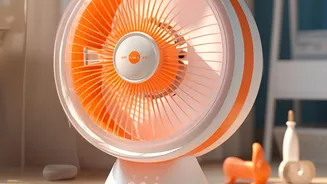
A fan doesn't lower a room's humidity. Its true function is to move air. This moving air helps the sweat on your skin evaporate faster, which is your body's natural cooling mechanism. This process, known as the wind-chill effect, makes you feel cooler
and less clammy, but it doesn't change the amount of moisture in the air. The fan simply provides temporary, personal comfort. Once you turn it off, the room will feel just as humid as before. Think of it as a comfort tool, not a climate-control device.
Why High Humidity Is a Problem
When indoor humidity levels regularly climb above 60%, it creates more than just discomfort. Excess moisture is a breeding ground for problems that can affect both your health and your home. It encourages the growth of mould and mildew, which can trigger allergies and respiratory issues. Dust mites, another common allergen, also thrive in damp conditions. Beyond health concerns, high humidity can cause musty odours, peeling paint, and long-term damage to wooden furniture, floors, and even the structural integrity of your home. For optimal health and comfort, experts recommend keeping indoor humidity between 40% and 60%.
The Right Tools for Moisture Removal
To actually remove moisture from the air, you need a different tool: a dehumidifier. This appliance works by drawing in humid air, pulling the water out of it, and releasing drier air back into the room. Dehumidifiers are the most direct and effective way to lower indoor humidity levels and are essential for persistently damp spaces like basements or bathrooms without proper ventilation. Your home's air conditioning system also acts as a dehumidifier as part of its cooling cycle, but in extremely humid weather, it may not be enough to keep levels in the ideal range.
Low-Cost Ways to Reduce Humidity
A dehumidifier isn't the only answer. You can take several practical steps to manage moisture. Always use an exhaust fan when cooking or showering to vent steamy air outside. On dry, less humid days, open windows to promote ventilation and air exchange. Avoid drying clothes indoors if possible, as this releases a large amount of moisture into the air. Taking shorter, cooler showers can also help reduce the amount of steam produced. For small, enclosed spaces like closets, you can even use natural moisture absorbers like baking soda or silica gel packets to keep things dry.
A Two-Part Strategy for Total Comfort
The best approach to a comfortable home environment involves using a fan and moisture control methods together. Use the fan for what it does best: providing immediate air circulation and a cooling sensation. At the same time, employ a dehumidifier or other ventilation strategies to tackle the root cause of the problem—the excess moisture in the air. By using a fan to circulate air, you can even help your dehumidifier work more efficiently, as the fan will move humid air from the corners of the room towards the appliance, allowing it to treat the entire space more effectively.