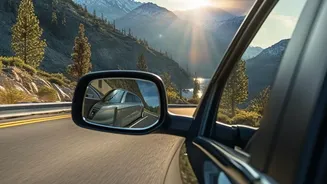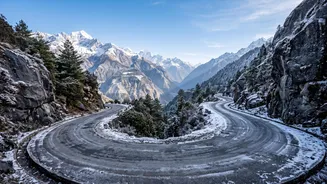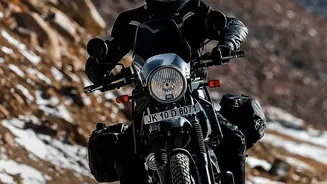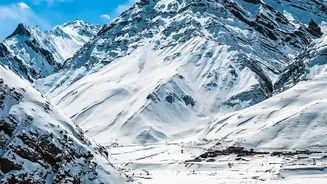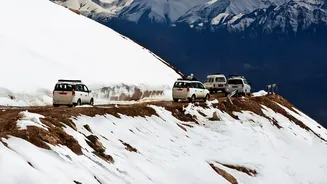



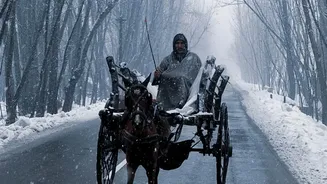


Winter in India paints a picture of misty mornings and scenic drives. But before you chase those breathtaking landscapes, a thorough check of your vehicle and gear is non-negotiable for a safe and memorable journey. Here’s what you need to cover.
Your Vehicle's Winter Health Check
Your
car is your most important companion on a road trip, and cold weather can be harsh on it. Before you even think about packing your bags, give your vehicle a complete inspection. Start with the battery, as cold temperatures can reduce its efficiency, making it harder to start the engine. If your battery is over three years old, get it tested by a professional. Next, check all essential fluids, including engine oil, coolant/antifreeze, and windshield washer fluid. Ensure your antifreeze is rated for the cold temperatures you expect to encounter. Tyres are critical for grip on potentially slippery roads. Check the tyre pressure, as it drops in the cold, and inspect the tread depth. For trips to regions with heavy snow, like Himachal or Uttarakhand, consider fitting winter or all-season tyres for better traction. Finally, test all your lights—headlights, taillights, brake lights, and especially fog lamps. Clear visibility is paramount, so also replace any worn-out wiper blades.
Mastering Tricky Winter Conditions
Winter driving in India presents unique challenges, most notably dense fog, especially in the northern plains. The golden rule for driving in fog is to slow down significantly and increase the distance between you and the vehicle ahead. Always use your low-beam headlights or dedicated fog lamps, not high beams, which reflect off the fog and worsen visibility. When navigating turns or changing lanes, make all your inputs—steering, braking, and accelerating—gradual and smooth to avoid losing traction on potentially icy patches. On mountain roads, the risk of black ice increases, particularly on bridges and in shaded areas. When driving uphill on slippery roads, maintain a steady speed to avoid skidding; stopping can make it difficult to regain momentum. For downhill stretches, rely on engine braking by staying in a lower gear rather than riding the brakes, which can cause them to overheat.
The Essential Winter Emergency Kit
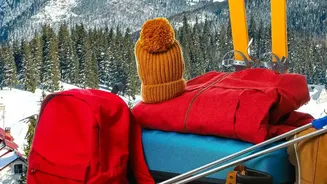
While a standard first-aid kit is a year-round necessity, a winter road trip requires some specific additions. Pack an emergency kit that can help you if you get stranded. This should include warm blankets, extra woollen clothing, and non-perishable snacks like energy bars and nuts. A fully charged power bank for your phone is crucial for communication. Also, pack a powerful flashlight with extra batteries. For the car itself, a basic toolkit, jumper cables, and a tow rope are vital. If you're heading into snow-prone areas, a compact shovel, an ice scraper, and a snow brush are indispensable for clearing your car. It's also wise to carry snow chains and practice fitting them before your trip. Reflective warning triangles are another important item to ensure other vehicles can see you if you have to pull over.
Personal Comfort and Safety
Beyond the car, personal preparation is key to enjoying your trip. Dress in layers. Thermal wear, fleece jackets, and a waterproof and windproof outer layer will allow you to adapt to changing temperatures. Pack woollen socks, gloves, and a cap that covers your ears. Staying hydrated is just as important in winter as it is in summer, so carry a thermos with a warm beverage and plenty of drinking water. Keep all your important documents, including your driving license, vehicle registration, insurance, and personal identification, in an easily accessible place. Before you leave, check the weather forecast and road conditions for your entire route, and be prepared to alter your plans if conditions become unsafe. It's always best to avoid driving at night, especially in foggy or mountainous areas.