


India’s Unblinking Eye on the Sun
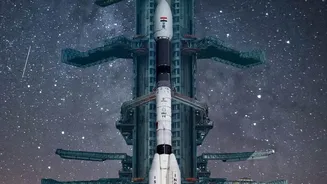
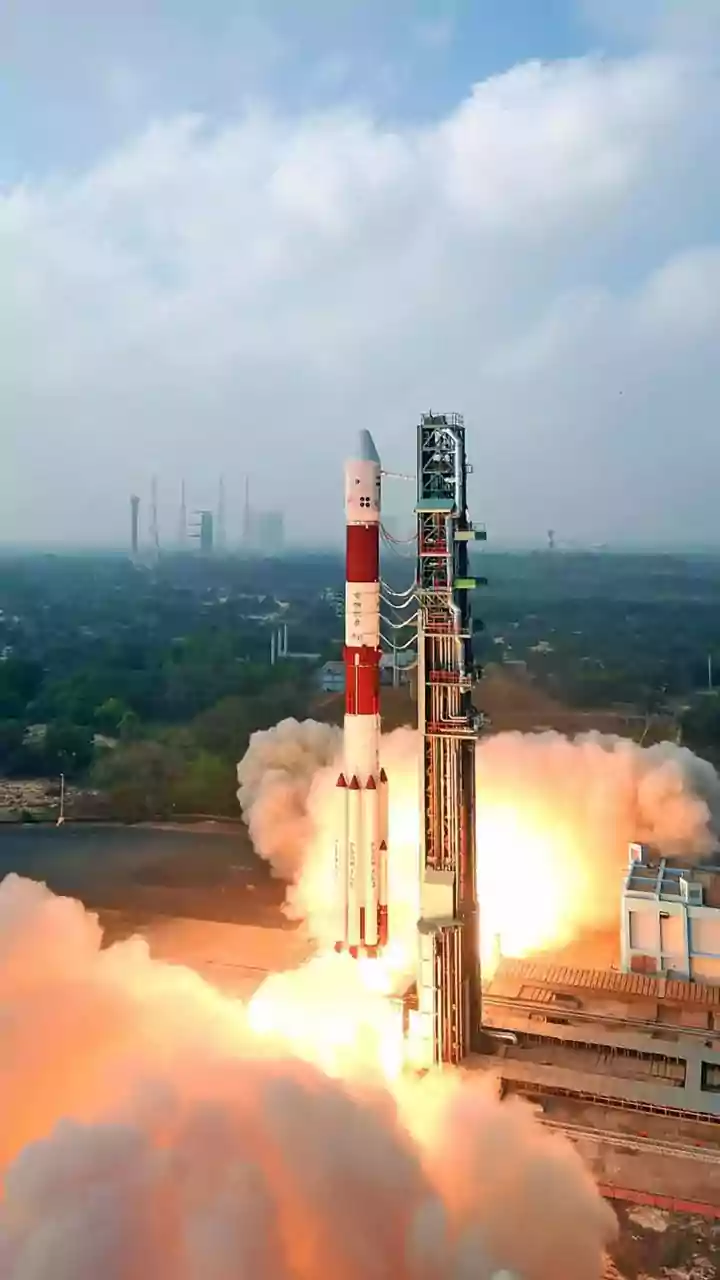
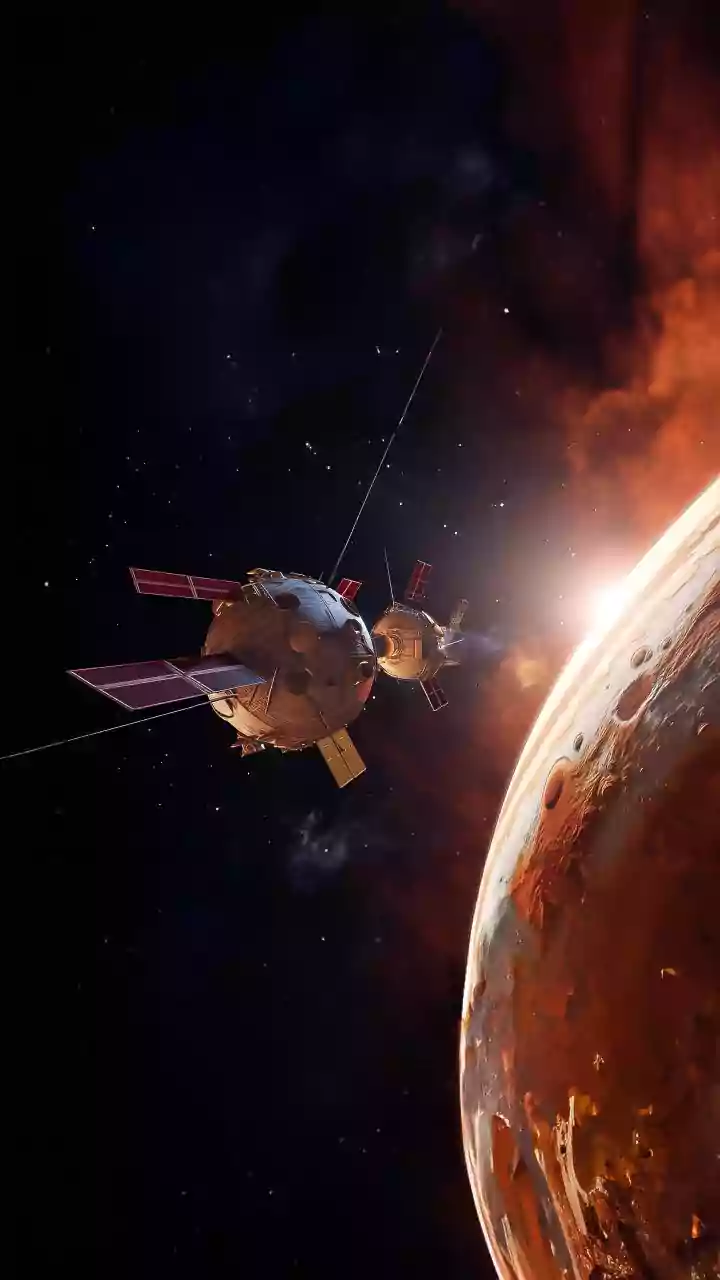
Launched by the Indian Space Research Organisation (ISRO), the Aditya L1 is the nation's first dedicated solar observatory. It isn't just orbiting the Earth; it's stationed 1.5 million kilometres away at a unique spot in space called Lagrange Point 1 (L1).
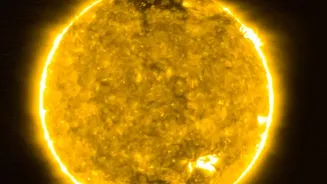
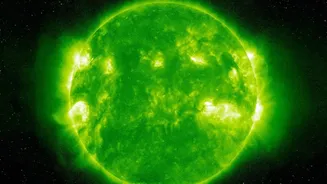
This vantage point gives it a continuous, uninterrupted view of the Sun, free from eclipses or Earth's shadow. Think of it as India’s celestial watchtower, armed with a suite of sophisticated instruments. Among them, the Visible Emission Line Coronagraph (VELC) and the Solar Ultraviolet Imaging Telescope (SUIT) are game-changers. They are designed to stare directly at the Sun’s mysterious and super-heated outer atmosphere, the corona, capturing details that were previously impossible to see. This constant stream of data is providing crucial new insights into the Sun's behaviour.
The Threat of Solar Storms
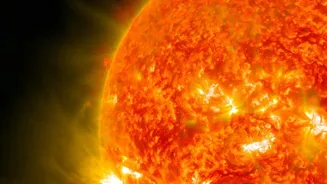
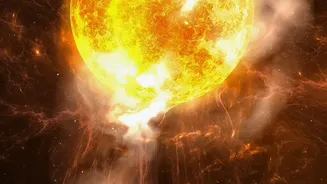
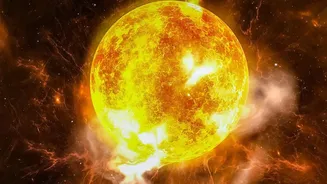
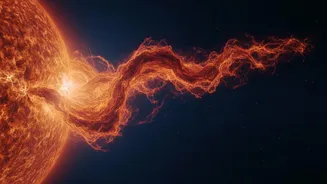
While beautiful, the Sun is also a volatile star. It regularly ejects massive clouds of charged particles and magnetic fields, known as Coronal Mass Ejections (CMEs). When these CMEs are aimed at Earth, they can trigger geomagnetic storms. These aren't storms in the earthly sense, but rather major disturbances in our planet's magnetic shield, the magnetosphere. The consequences can be severe. Solar storms can damage or even destroy satellites, disrupting GPS navigation, communications, and weather forecasting. They can induce powerful electrical currents in power grids on the ground, potentially causing widespread blackouts. In an increasingly digital world, a powerful, unpredicted solar storm could cause trillions of dollars in damage and bring critical infrastructure to a halt.
A Breakthrough in Prediction
This is where Aditya L1's new data becomes so vital. While the mission's primary goal is solar physics research, the information it gathers has direct applications for space weather forecasting. Recent studies based on Aditya L1's observations have given scientists a clearer understanding of how CMEs form and accelerate in the corona. By observing the very genesis of these eruptions in unprecedented detail, scientists can more accurately model their trajectory and intensity. This ability to see the 'what' and 'how' of a solar eruption right at the source is a fundamental step toward improving prediction models. Scientists from the Indian Institute of Astrophysics (IIA) and ISRO have used this data to analyse recent solar storms, learning how they interact with Earth's magnetic field and cause disturbances.
The Science Behind the Warning
The key lies in understanding the Sun's magnetic field. Aditya L1's instruments are helping to solve the long-standing mystery of why the corona is millions of degrees hotter than the Sun's surface. Recent findings suggest that the constant rearrangement and reconnection of magnetic field lines is the primary engine heating the corona and powering these explosive events. One study found that this magnetic reconfiguration may account for over 90% of the energy in the corona. By monitoring these magnetic processes and observing the initial lift-off of a CME, scientists can gain precious lead time. Better data allows for more reliable warnings, giving satellite operators time to put their spacecraft in a safe mode and power grid managers a chance to protect their networks from damaging electrical surges.
Protecting Our Digital Future
The work being done with Aditya L1 data is not just an academic exercise; it's a crucial service for our planet. Every aspect of modern life, from air travel and banking to emergency services and entertainment, relies on technology that is vulnerable to space weather. Improving our ability to forecast solar storms is essential for safeguarding these critical assets. As ISRO continues to make its data publicly available, it empowers a global community of scientists to refine their models and enhance their predictive capabilities. Aditya L1 is not only a symbol of India's scientific prowess but also a vital instrument in the global effort to build a more resilient and protected technological society, prepared for whatever the Sun throws our way.