




The Quiet End of Foodie FOMO
Remember the era of food fear-of-missing-out? A few years ago, urban family dinner tables and social media feeds were battlegrounds for culinary one-upmanship. Who could make the most authentic ramen, the creamiest risotto, or the most photogenic avocado
toast? This performance cooking, fuelled by aspirational food blogs and lockdown-induced boredom, created a pressure to constantly innovate. But a quiet rebellion is brewing. Many are finding that the effort, expense, and mental load of chasing trendy, multi-step recipes are no longer worth it. The focus is shifting from impressing others to simply nourishing the family, leading to a collective sigh of relief in kitchens across the country.
The Economics of the Dinner Table
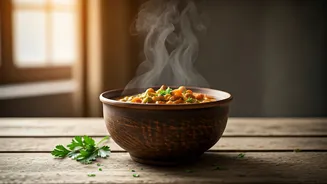
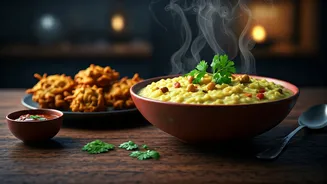
Let’s not ignore the elephant in the room: rising costs. The price of everything, from cooking oil and gas cylinders to fancy vegetables and imported cheeses, has skyrocketed. For most Indian households, budget is not an abstract concept; it’s a daily reality discussed over chai. This economic pressure has been the single biggest catalyst for the return to simplicity. Suddenly, a simple meal of dal, rice, and a seasonal sabzi isn’t just comfort food—it’s a smart financial decision. Families are consciously stretching their budgets by leaning on lentils, local vegetables, and grains. The humble khichdi is no longer just for sick days; it's a celebrated one-pot meal that’s both economical and wholesome.
A Taste of Nostalgia
Beyond the practicalities of money, there is a deeper, more emotional pull towards simpler foods. In a world that feels increasingly complicated and uncertain, there is profound comfort in the familiar. The taste of your grandmother’s rasam or the smell of a simple aloo curry can be a powerful anchor to the past. These aren’t just recipes; they are heirloom stories passed down on a plate. Many are finding that recreating these dishes is a way to connect with their roots and preserve family traditions. This turn towards nostalgia is also a gentle rejection of a globalised food culture that sometimes felt alienating. Instead, we’re finding richness in our own backyards and our own family histories.
Health and Common Sense
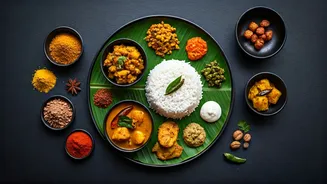
The shift is also driven by a growing awareness around health and wellness. The post-pandemic world has made us all more conscious of what we put into our bodies. Simple, home-cooked food offers transparency and control. You know exactly what oils, spices, and ingredients are being used, without hidden sugars or preservatives common in restaurant meals and processed foods. Dishes that rely on a few fresh ingredients are often inherently healthier. This move aligns with traditional Ayurvedic principles that champion simple, balanced, and seasonal eating for overall well-being. It’s a realisation that feeling good doesn't require expensive superfoods, but rather a return to the balanced wisdom already present in our traditional thalis.