


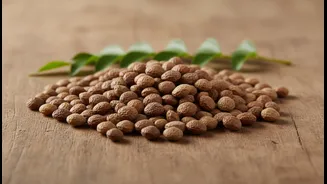
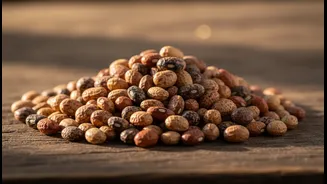


What Exactly is Horse Gram?
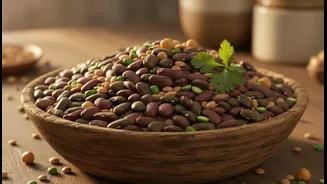
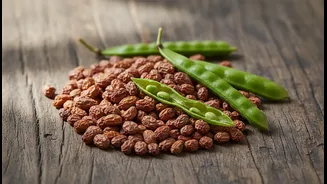
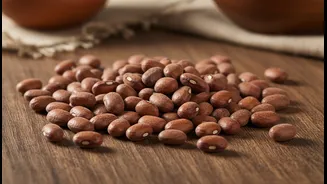
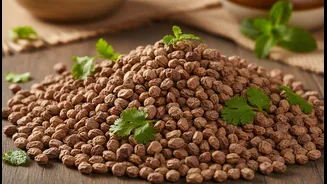
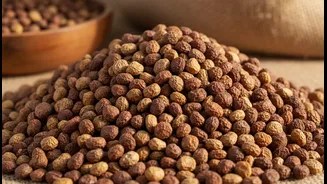
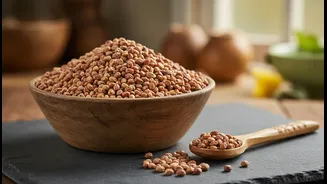
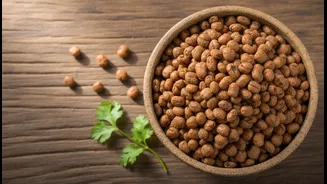
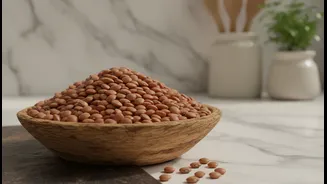
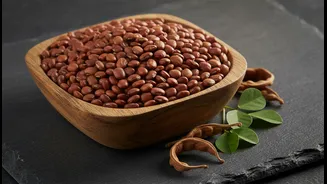
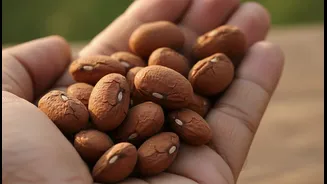
Known as 'kulthi' in Hindi, 'kollu' in Tamil, 'ulavalu' in Telugu, and 'gahat' in the Pahari regions, horse gram (Macrotyloma uniflorum) is a small, reddish-brown legume that has been cultivated in India for centuries. Historically valued for its ability
to thrive in dry, tough growing conditions where other crops might fail, it has long been a dependable source of nutrition in rural and semi-arid areas. Despite its name, which comes from its use as a high-protein feed for cattle and horses, this pulse has a deep-rooted history in human cuisine, prized for its distinct, earthy flavour and robust texture.
A Nutritional Powerhouse on a Budget
One of the most compelling reasons for horse gram's revival is its exceptional nutritional profile paired with its affordability. It is an excellent source of plant-based protein, with roughly 22-25 grams of protein per 100-gram serving. It is also packed with dietary fibre, which aids digestion and promotes a feeling of fullness. Furthermore, horse gram outshines many other pulses in its content of calcium and iron, two minerals crucial for bone health and preventing anaemia. Scientists have also noted its richness in antioxidants like polyphenols and flavonoids. This combination of high protein, fibre, and essential minerals makes it a smart and economical choice for families looking to maximise nutrition without stretching their budget. Recent market data from July 2026 shows mandi prices ranging from approximately ₹40 to ₹70 per kg, making it a competitive option in the pulse market.
A Taste of Tradition Across India
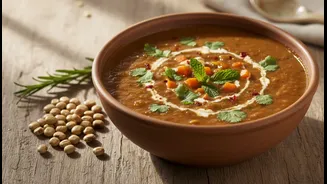
Horse gram is a culinary chameleon, adapting to the flavours of different regions. In South India, it forms the base of warming, flavourful soups. Tamil Nadu’s ‘kollu rasam’ is a peppery, tamarind-based broth often consumed to ward off colds, while Andhra and Telangana are famous for ‘ulavalu charu’, a thick, rich soup served with cream or butter and rice. In Karnataka, it’s used to make ‘hurali saaru’ (a curry) and a dry stir-fry called ‘palya’. In the mountainous regions of Uttarakhand and Himachal Pradesh, ‘gahat’ or ‘kulath’ is used to prepare hearty dals and even stuffed parathas that provide warmth during cold winters. These traditional recipes showcase the pulse’s ability to absorb spices and provide a deeply satisfying, rustic taste.
Bringing Horse Gram Into Your Kitchen
Cooking with horse gram is simple, though it requires a bit of planning. Due to its tough exterior, it's essential to soak the pulse overnight, or for at least 6-8 hours. This not only cuts down on cooking time but also makes it easier to digest. After soaking, it needs to be pressure-cooked until tender, which can take anywhere from 20 to 40 minutes, or 6-7 whistles. The cooked pulse holds its shape well, making it versatile for various dishes. You can use it to make a simple dal, stir it into vegetable subzis, sprout it for salads, or blend it into a batter for idlis and dosas. The nutrient-rich water left over from cooking is often used as a base for soups and rasams, ensuring no goodness is wasted.