



A Shift in Values, Not Just Style
This move towards sustainability is more than a passing fad; it's a reflection of a generation deeply aware of global issues like climate change and social responsibility. Gen Z shoppers are increasingly questioning the lifecycle of their clothes, moving
away from the 'wear-once-and-discard' culture of fast fashion. They are looking for garments with a story and a purpose. This generation has grown up with information about environmental crises at their fingertips, leading many to seek out brands that are transparent about their impact. Choosing a sustainable ethnic piece is a vote for slower, more mindful consumption.
The Allure of Authenticity and Craftsmanship
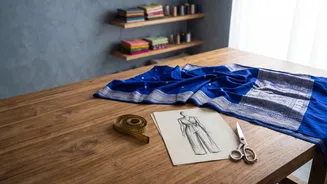
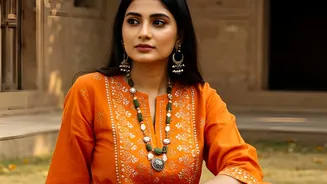
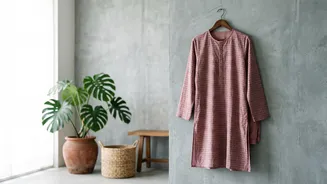
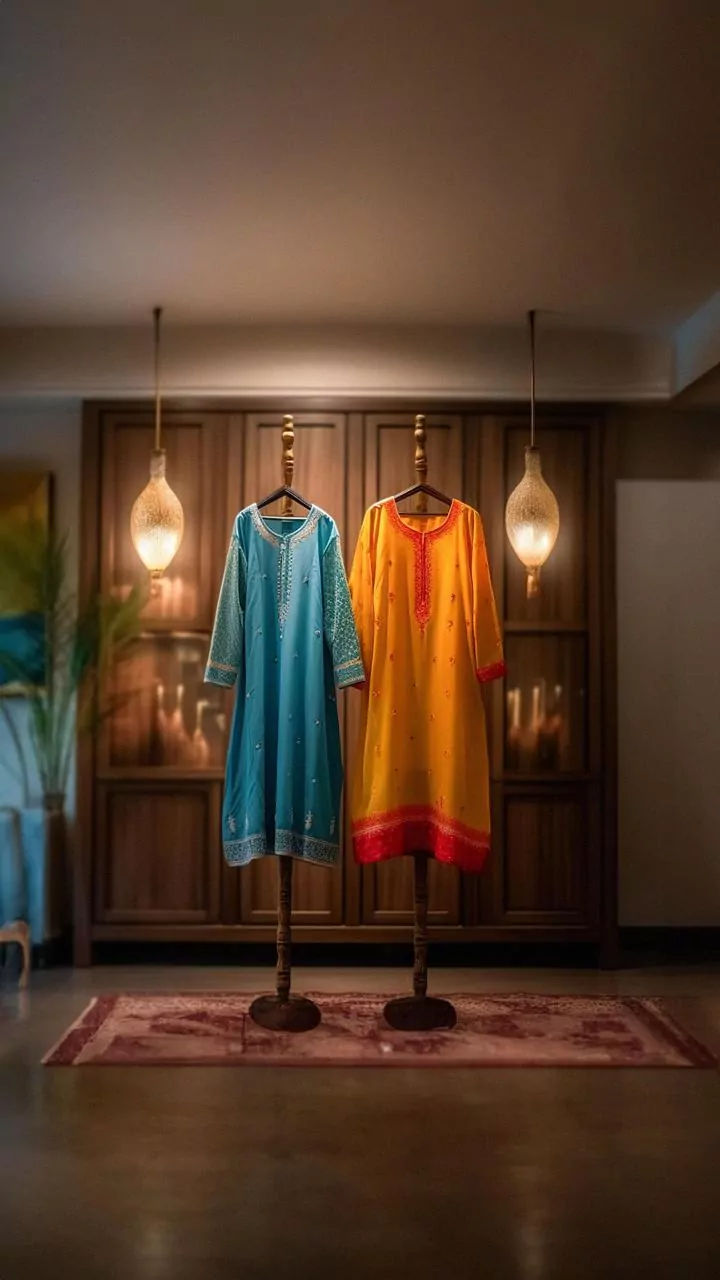
In a world of mass-produced goods, there is a growing desire for authenticity. Sustainable ethnic wear, often made using traditional techniques like handloom weaving, block printing, and natural dyeing, offers a powerful connection to India's rich textile heritage. These garments are not just clothes; they are pieces of wearable art created by skilled artisans. For many young Indians, wearing a handwoven saree or a block-printed kurta is a way to express cultural pride and support local craft communities, ensuring these traditions are preserved for the future. This focus on craftsmanship ensures quality and longevity, directly opposing the disposable nature of fast fashion.
Redefining 'New' with Thrifting and Upcycling
The concept of 'new' for the festive season is also being radically redefined. Thrifting, once a niche activity, has become a mainstream and aspirational pursuit for Gen Z. Online platforms and pop-up stores are filled with pre-loved sarees, lehengas, and kurtas, allowing shoppers to find unique, high-quality pieces at a fraction of the original cost. This trend is fueled by a love for individuality and the thrill of finding a one-of-a-kind garment with its own history. Beyond thrifting, upcycling is gaining traction, with creative individuals transforming their mothers' or grandmothers' old sarees into contemporary outfits like co-ord sets and dresses, blending nostalgia with modern style.
The Social Media Influence
Social media platforms like Instagram are playing a huge role in popularizing this movement. Influencers and content creators are showcasing how to style thrifted finds and pieces from sustainable homegrown brands, making conscious fashion look cool and accessible. They share 'thrift hauls' and tips on upcycling, inspiring their followers to think differently about their wardrobes. This digital word-of-mouth makes it easier to discover new brands and normalizes the idea that festive wear can be both beautiful and responsible.
Comfort and Versatility Reign Supreme
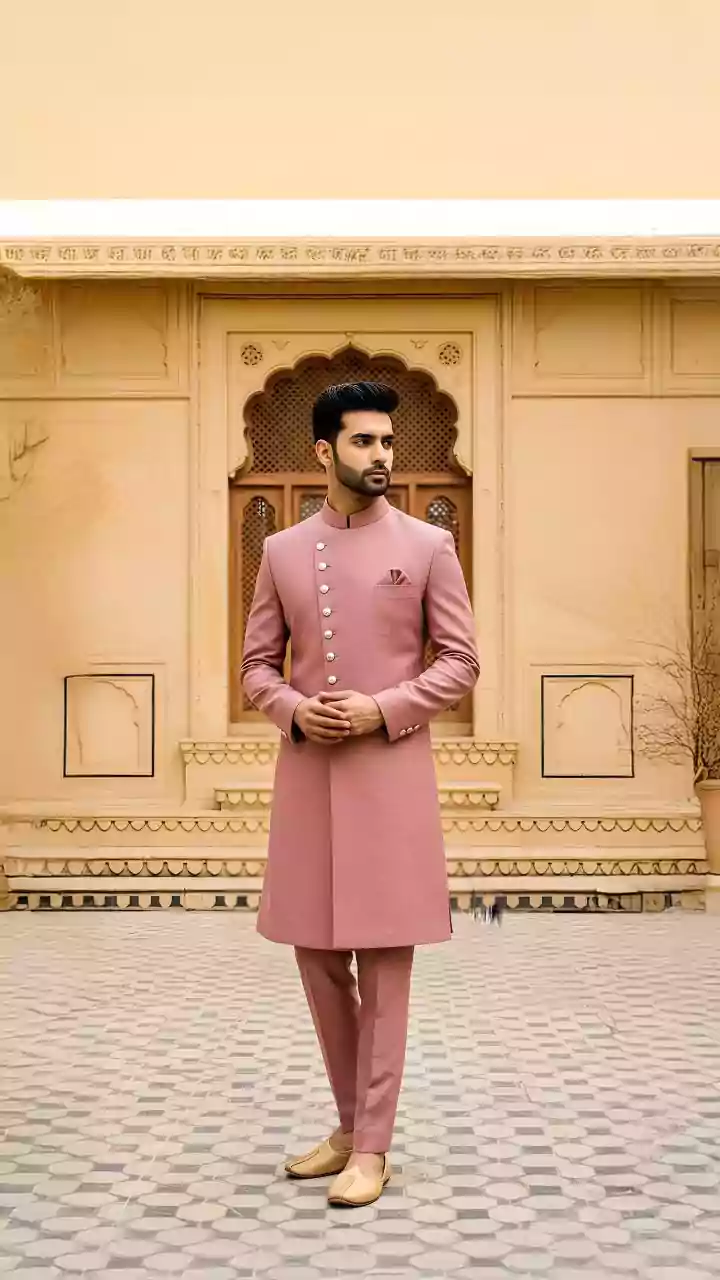
Gen Z's approach to fashion is practical. They prioritize comfort and rewearability, and their festive choices reflect this. There's a clear preference for lighter, more breathable fabrics like organic cotton and muslin, and versatile silhouettes that can be styled in multiple ways. Heavy, one-time-use outfits are being replaced by separates like kurta sets, ethnic co-ords, and lehenga skirts that can be mixed and matched for different occasions long after the festival is over. This 'cost-per-wear' mindset is inherently sustainable, ensuring that clothes have a longer life in the wardrobe.