



Master Monsoon Watering
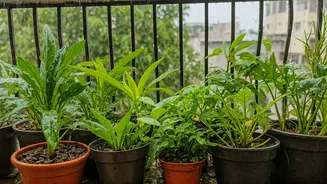
The biggest mistake in monsoon gardening is overwatering. While the rains are abundant, soil in pots can become waterlogged, leading to root rot, one of the most common plant killers. Always check the soil before reaching for the watering can. Poke your
finger about an inch into the topsoil; if it feels dry, then it's time to water. If it’s damp, let the natural humidity and rain do their job. Ensure every pot has clear drainage holes. It's also a great practice to elevate your pots on stands or bricks to allow excess water to escape freely and prevent them from sitting in puddles.
Choose Monsoon-Loving Plants
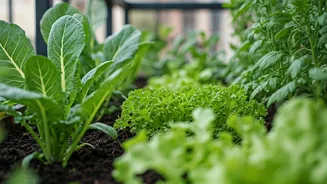
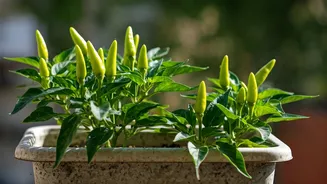
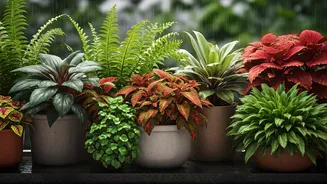
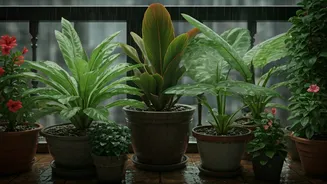
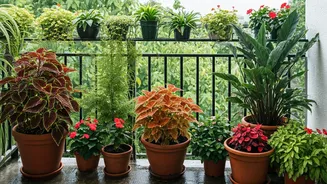
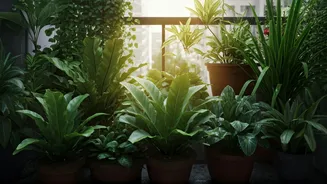
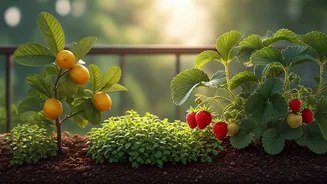
July is the ideal time to grow plants that thrive in high humidity and moderate temperatures. For vegetables, consider sowing seeds of gourds like lauki (bottle gourd) and karela (bitter gourd), along with beans, okra, cucumber, and tomatoes. These varieties flourish during the rainy season. Leafy greens such as spinach (palak) and amaranth (chaulai) also grow quickly now. If you prefer flowers, monsoon is the season for vibrant blooms like hibiscus, marigold, balsam, and periwinkle, which add a splash of colour to your green space. For a low-maintenance option, humidity-loving ornamentals like money plants, snake plants, and areca palms are excellent choices.
Prepare the Right Soil Mix
Good soil is the foundation of a healthy container garden, especially during the monsoon. Heavy, compacted soil retains too much water. Create a light, airy, and well-draining potting mix. A practical and effective formula for most urban gardens is a blend of regular garden soil, compost (like vermicompost), and cocopeat. A mix of 40% soil or cocopeat, 30% compost, and 30% sand or perlite improves aeration and prevents roots from suffocating in heavy rains. This ensures that while the soil retains enough moisture, any excess from downpours can easily drain away.
Combat Pests and Fungal Diseases
High humidity and moisture create a breeding ground for pests and fungal diseases. Look out for common monsoon problems like powdery mildew (a white dusty coating on leaves), leaf spot, and root rot. Pests such as aphids, mealybugs, and slugs are also more active. Prevention is key. Ensure good air circulation by not overcrowding your plants. Regularly remove any fallen leaves or debris from the pots. A preventive spray of neem oil solution every 10-15 days can effectively keep most pests and fungal issues at bay. If you spot any diseased leaves, prune them immediately to stop the infection from spreading.
Prune and Provide Support
The monsoon encourages rapid, lush growth, which can sometimes become unruly in a compact urban garden. Regular pruning and trimming are essential during July. Snipping away dead or yellowing leaves not only keeps your plants looking tidy but also encourages new, healthy growth and improves air circulation. For vining plants like gourds and tomatoes, or top-heavy flowering plants, provide support. Monsoon winds can be strong on balconies and terraces. Use stakes, trellises, or bamboo sticks to keep your plants stable and prevent their stems from snapping under the weight of rain and new growth.
Fertilize Mindfully
While plants grow vigorously in the monsoon, heavy rains can also leach essential nutrients from the soil in your pots. However, it's best to be cautious with fertilizers during this time. Opt for slow-release organic options like compost or vermicompost rather than strong chemical feeds. A good practice is to add a handful of compost to your pots every three to four weeks to replenish lost nutrients gently. Avoid over-fertilizing, as this can burn the roots, especially when the plant is already dealing with the stress of constant moisture.