


Start with the Care Label
Before you do anything, check the garment's care tag. This is the most reliable source of instructions from the manufacturer. A symbol of a washtub means it's machine washable, while a hand in the tub means hand-wash only. A cross through the tub symbol means do not
wash; this item is likely dry-clean only. Numbers inside the tub indicate the maximum water temperature in Celsius, with 30°C being a common, safe temperature for wool.
Hand-Washing: The Safest Method
Hand-washing is the gentlest and safest way to clean most wool and knitted items. Fill a clean basin or sink with cool or lukewarm water (below 30°C) and add a small amount of a wool-specific detergent. Turn your garment inside out and submerge it, gently pressing it down until it's saturated. Let it soak for about 10-15 minutes, avoiding any harsh rubbing or twisting, which can damage the fibres. Drain the soapy water and rinse the garment in fresh water of the same temperature until the suds are gone.
Choosing the Right Detergent
Your standard laundry detergent is not suitable for wool. Many contain enzymes designed to break down protein-based stains, but since wool is a protein fibre, these detergents can weaken and damage your clothes over time. Always opt for a pH-neutral, gentle detergent specifically labelled as 'wool wash' or 'for delicates'. These formulas are designed to clean without stripping the natural oils (lanolin) from the wool fibres, helping to maintain their softness.
Using Your Washing Machine Carefully
If your garment's care label permits machine washing, modern machines can be a safe option when used correctly. Select the 'wool', 'hand wash', or 'delicate' cycle, which uses minimal agitation and a slow spin speed (around 400-600 RPM). Always use cold water. For extra protection against friction and pilling, turn the garment inside out and place it in a mesh laundry bag. Wash wool items separately from heavy fabrics like jeans or anything with zippers.
The Art of Drying Knits
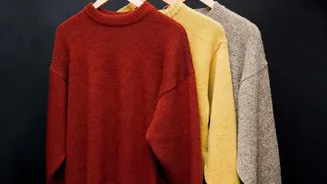
Proper drying is as important as washing. Never, ever wring out a wet wool garment, as this will stretch and misshape it permanently. Instead, gently squeeze out excess water. Lay the item flat on a clean, dry towel, roll them up together, and press firmly along the roll to absorb more moisture. Afterwards, unroll it and lay the garment flat on a fresh towel or a mesh drying rack. Gently reshape it to its original dimensions and let it air-dry away from direct sunlight or heat, like a radiator, which can cause shrinking and damage. Never hang a wet sweater, as the weight of the water will stretch the fibres, especially at the shoulders.
Storing Woollens for Longevity
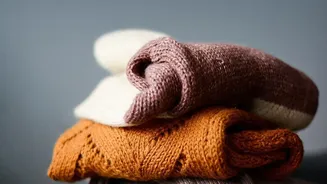
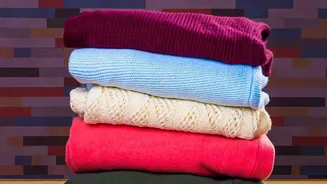
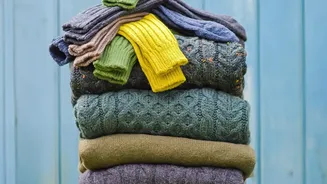
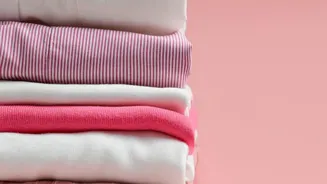
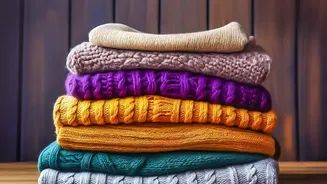
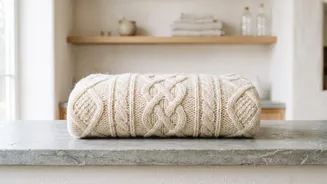
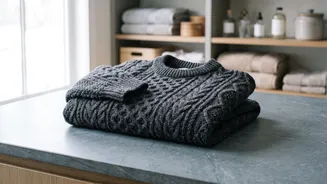
How you store your knits makes a big difference. Always fold wool sweaters and cardigans; never hang them, as this will cause the shoulders and body to stretch out of shape over time. Before storing for the season, ensure every garment is clean, as pests like moths are attracted to body oils and food traces, not the wool itself. Store them in a cool, dry place using breathable cotton bags or storage bins. Avoid long-term storage in airtight plastic containers, which can trap moisture. Adding natural moth repellents like cedar blocks or lavender sachets can help protect your investment.