



The Myth of the 'Health Halo'
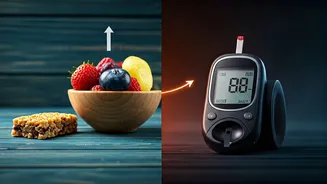
The 'no added sugar' label can create a 'health halo,' making us believe a product is inherently good for us. Legally, this label simply means manufacturers haven't added sugars like sucrose, corn syrup, or honey during processing. [1] But this doesn’t
make a food 'sugar-free' or even low in sugar. [5] The product can still contain naturally occurring sugars, like fructose in fruit or lactose in milk, which your body processes as sugar. [1, 2] More importantly, it says nothing about the other ingredients, which are often the real culprits behind a glucose spike.
Meet the Real Culprit: Refined Carbohydrates
The biggest reason 'no added sugar' foods can spike glucose is because of carbohydrates, particularly refined ones. [4] Think of foods like white bread, crackers, certain breakfast cereals, and pastries. [9] These are made from grains that have been stripped of their fiber and nutrients. [9, 13] Without fiber to slow things down, your body digests these carbs very quickly, converting them into glucose that floods your bloodstream. [9] This leads to the rapid spikes in blood sugar that you might be trying to avoid, which can eventually lead to energy crashes and cravings. [3, 9]
Understanding the Glycemic Index
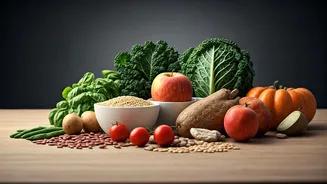
A useful tool for understanding this concept is the Glycemic Index (GI), which ranks foods on a scale from 0 to 100 based on how quickly they raise blood sugar levels. [22, 23] Pure glucose has a GI of 100. Foods with a high GI (over 70), like white bread and baked potatoes, are digested quickly and cause a sharp rise in blood glucose. [23] Low-GI foods (under 55), such as lentils, whole grains, and most fruits and vegetables, are digested more slowly, leading to a gentler, more gradual rise. [16, 18] A 'no added sugar' label gives no information about a food's GI.
Natural Sugars and Sneaky Spikers
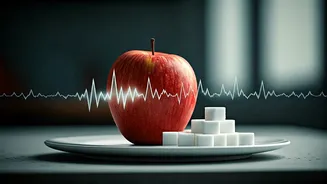
Even natural foods can be tricky. A whole apple, for instance, has fiber that slows down the absorption of its natural sugars. [14] But turn that apple into juice, and you remove the fiber, creating a drink that can spike blood sugar much more quickly. [15] Similarly, dried fruits have a much more concentrated sugar content than their fresh counterparts. [17] Other surprising spikers can include low-fat yogurts where sugar is added to compensate for flavour, and even some 'sugar-free' products that use sugar alcohols, which can still affect blood glucose in some people. [17, 15]
How to Be a Smarter Shopper
Instead of relying solely on the front-of-package claims, turn the product over and read the nutrition panel. Look at 'Total Carbohydrates' to understand the full picture. [4] Pay attention to the ingredients list; the higher up an ingredient is, the more of it there is. Choose foods with at least 3 grams of fiber per serving, as fiber helps to slow down sugar absorption and keep you feeling full. [15] Prioritising whole, minimally processed foods over packaged goods is always the most reliable strategy. [4, 25] Pairing carbohydrates with protein and healthy fats, like an apple with peanut butter, can also help blunt the blood sugar response. [25]