




Why Pre-Trip Checks Are Non-Negotiable
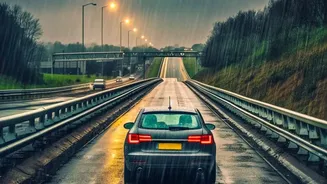
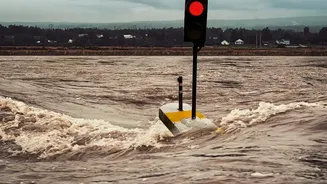
Driving during the monsoon is not just about dealing with a wet surface; it’s about navigating a series of potential hazards that don’t exist in other seasons. Heavy downpours can lead to waterlogging, which conceals dangerous potholes and can cause your
vehicle to stall. In hilly areas, the risk of landslides and falling rocks increases significantly, capable of blocking entire routes for hours or even days. Visibility often drops to near zero in a heavy spell, making it difficult to spot obstacles or other vehicles. The first rains are particularly treacherous as they mix with oil and dust on the road, creating an exceptionally slippery surface. Acknowledging these risks is the first step toward a safe journey. The goal isn't to avoid travel, but to do it smartly, with preparation as your primary tool.
Your Digital Toolkit: Essential Apps and Websites
Before you even put the key in the ignition, your smartphone can be your most valuable safety device. Start with navigation apps like Google Maps or Waze, which provide real-time traffic data, including road closures and congestion. However, don't rely on them exclusively. An India-specific app like Mappls (by MapmyIndia) offers features tailored for local conditions, such as alerts for potholes, speed breakers, and accident-prone zones. For weather, the official India Meteorological Department (IMD) website and its 'Mausam' app are indispensable for forecasts and warnings, including alerts for heavy rainfall and thunderstorms for specific regions. The National Highways Authority of India (NHAI) has also started integrating real-time highway information, like closures and diversions, which can be accessed through partner apps. Checking these resources just before leaving and even during your journey can help you make informed decisions and reroute if necessary.
Beyond the Screen: Gathering Local Intelligence
Technology is a great starting point, but it doesn't always capture the very latest ground reality. This is where old-fashioned communication comes in. If you're heading to a hotel or resort, call them directly on the morning of your travel. They will have the most current information about the state of the local roads leading to their property. Similarly, browse local news websites or social media groups for the destination you're heading to. Fellow travelers and local residents often post real-time updates about waterlogging, traffic jams, or blockages that haven't yet registered on official apps. This on-the-ground intelligence is invaluable, especially for more remote or hilly destinations where conditions can change in an instant.
On the Road: Safe Driving Practices in Rain
Once you are on your way, your driving style needs to adapt to the conditions. First and foremost, slow down. Wet roads significantly reduce tyre grip, and your braking distance can more than double. Maintain a much larger gap—at least four to five seconds—between your vehicle and the one in front. Use your headlights (on low beam) even during the day to increase your visibility to others. Never use cruise control in the rain, as it can prevent you from reacting quickly if your car begins to hydroplane. If you encounter a waterlogged stretch, exercise extreme caution. As a rule of thumb, if the water appears to be higher than the center of your wheels, do not attempt to drive through it. It’s impossible to know the depth or see hidden obstacles, and stalling in deep water can cause catastrophic engine damage.
The Emergency Kit: Your Monsoon Must-Haves
Even with the best planning, things can go wrong. A well-stocked emergency kit can make a huge difference in a difficult situation. Your kit should include a powerful torch, a first-aid box, and a fully charged power bank for your phone. It’s also wise to pack some dry snacks and drinking water. Ensure your vehicle's toolkit is complete and that you have a properly inflated spare tyre. A tyre inflator can also be a lifesaver. Given the damp conditions, a few microfiber cloths are useful for clearing condensation from the inside of your windscreen and mirrors, ensuring you maintain clear visibility at all times. Packing rain gear like umbrellas and waterproof jackets is a given, but also consider having an extra set of dry clothes easily accessible.