






The Scale of a Wasted Harvest
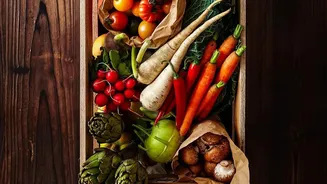
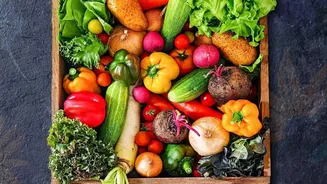
India is one of the world's largest producers of fruits, vegetables, and grains, yet it struggles with a silent crisis of post-harvest loss. Estimates suggest that between 30% and 40% of fruits and vegetables spoil before they can be consumed. This amounts
to an annual economic loss estimated at over ₹92,000 crore. The issue is not a lack of production but a failure of preservation. Most of this loss occurs between the farm and the market due to inadequate storage and transport infrastructure. This waste squanders not only food but also the precious resources used to grow it, such as water, labour, and land, while contributing to greenhouse gas emissions from decomposing produce. For a nation still tackling malnutrition and hunger, this leakage in the food supply chain is a critical challenge that directly impacts food availability and affordability for millions.
Demystifying the 'Cold Chain'
A 'cold chain' is not merely a collection of refrigerated warehouses. It is an uninterrupted, temperature-controlled supply chain that protects perishable goods from the farm to the consumer. This integrated network includes pre-cooling facilities at the farm, refrigerated trucks for transport, cold storage warehouses for holding stock, and temperature-controlled environments at retail points. The goal is to maintain the quality, safety, and shelf life of sensitive products like produce, dairy, meat, and seafood. Without an unbroken cold chain, produce is exposed to heat, humidity, and delays, which accelerates spoilage. A weak link anywhere—a non-refrigerated truck, a power outage at a warehouse, or improper handling—can compromise the entire chain, leading to the significant losses India currently faces.
The Policy and Infrastructure Gaps
The core of the problem lies in systemic gaps that only policy can address. While India has over 8,000 cold storage units, their distribution is highly uneven, with facilities concentrated in a few states and often disconnected from rural production hubs. Key policy challenges include the high cost of electricity for running refrigeration units, which can be prohibitive for many operators, especially given unreliable power supplies in rural areas that force reliance on costly diesel generators. Furthermore, fragmented supply chains with too many intermediaries, a lack of standardised technology, and difficulties in acquiring land for new facilities hinder the creation of a seamless national network. Government initiatives like the Integrated Cold Chain and Value Addition Infrastructure scheme have provided subsidies, but scaling up requires a more comprehensive policy push that makes investment commercially viable and sustainable for the private sector.
From Reforms to Real-World Benefits
Targeted policy reforms can unlock immense benefits for the entire nation. For farmers, a robust cold chain means they are no longer forced into distress sales immediately after harvest when prices are lowest. They can store their produce, reduce spoilage, and sell when market conditions are more favourable, directly boosting their incomes. For consumers, this translates into a more stable supply of higher-quality, safer, and fresher food throughout the year, mitigating the sharp price fluctuations often seen with perishable goods. By reducing waste, cold chain logistics enhance the overall availability of food, which is the cornerstone of national food security. It allows produce from surplus regions to reach deficit areas efficiently, creating a more integrated and resilient national food market. Ultimately, investing in the cold chain is an investment in farmers' livelihoods and consumer well-being.
The Path to a Cooler, More Secure Future
The theme for World Food Day 2026, 'Innovate today. Nourish tomorrow,' perfectly encapsulates the need for a modern approach to food security. The future of feeding India lies not just in producing more, but in preserving more of what we already grow. Policy reforms must focus on declaring cold chains as essential infrastructure, ensuring consistent and affordable power, and simplifying regulations to encourage private investment. Promoting technology like thermal batteries for off-grid storage and digital platforms for supply chain traceability can also be game-changers. As India's economy grows and consumer demand for fresh and processed foods rises, a modernised cold chain is no longer a niche requirement but a fundamental pillar of our economic and nutritional security. Ensuring that our food system is as efficient in preservation as it is in production is the critical next step.