





The Government's Stance: No Price Cap
As the festive season approaches, the Indian government has confirmed it will not impose a cap on airfares. Civil Aviation Minister K Rammohan Naidu stated that instead of regulation, the government will engage with airlines and advise them to maintain
reasonable prices. This approach has been used in the past during periods of high demand. The government's position is that since the Air Corporation Act was repealed in 1994, airfares are deregulated and driven by market forces of supply and demand. While the Directorate General of Civil Aviation (DGCA) monitors fares to prevent predatory pricing, it does not set ticket prices in normal circumstances.
The Airline Pricing Playbook
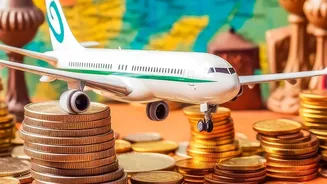
Airlines in India use a strategy known as dynamic pricing. This means prices are not fixed but change based on demand, time of booking, and how many seats are left on a flight. During festival periods like Diwali and Christmas, millions of people travel to be with their families, creating a massive surge in demand. Airlines use sophisticated, often AI-driven algorithms, that automatically increase fares as more tickets are sold and the travel date gets closer. They also create different fare 'buckets' or classes for the same flight; as the cheaper buckets sell out, only the more expensive ones remain. This is why a ticket can cost ₹4,000 one day and jump to ₹15,000 the next for the exact same route.
Why Prices Are Under Pressure
Beyond festive demand, other factors are contributing to rising ticket costs. The Civil Aviation Minister has pointed to the ongoing crisis in West Asia, which has increased the price of Aviation Turbine Fuel (ATF). Fuel costs account for a significant portion of an airline's operating expenses—around 40-43%—so any increase has a direct impact on ticket prices. Additionally, recent data shows that domestic airline capacity has seen a slight reduction, meaning fewer available seats to meet the surging demand. This combination of high demand, increased operating costs, and tighter capacity creates the perfect storm for expensive festive travel.
Your Strategy to Beat the Surge
While you can't control airline pricing, you can adopt smart strategies to find the best possible fares. The single most effective tactic is to book well in advance. For domestic festive travel, experts suggest booking at least 6 to 8 weeks ahead, with the best prices often found three to four months before your travel date. Booking within the last two weeks of the festival is when you'll face the highest prices. Flexibility is your next best friend. If possible, travel on days adjacent to the main festival day, as fares are often lower. Mid-week flights, particularly on Tuesdays and Wednesdays, also tend to be cheaper than weekend travel. Using fare comparison websites and setting up price alerts can also help you grab a deal when prices dip.
Considering the Alternatives
If flight prices on your desired route are prohibitively high, it may be worth exploring alternative travel plans. Sometimes, flying to a nearby, less busy airport and completing the journey by train or road can be more cost-effective. For shorter distances, premium trains or even road travel might offer a more economical, albeit slower, alternative. While not as fast as flying, these options provide a fixed price without the stress of dynamic pricing. The key is to compare the total cost and travel time for all available options before making a final decision. For many, the high cost of flying makes these alternatives an increasingly attractive option for reuniting with family during the holidays.