


Beyond Dal and Paneer
For generations, India's protein needs have been met by a trusted rotation of lentils (dal), chickpeas (chana), and dairy (paneer and dahi). While this tradition remains strong, the modern Indian kitchen is now making room for an exciting array of new
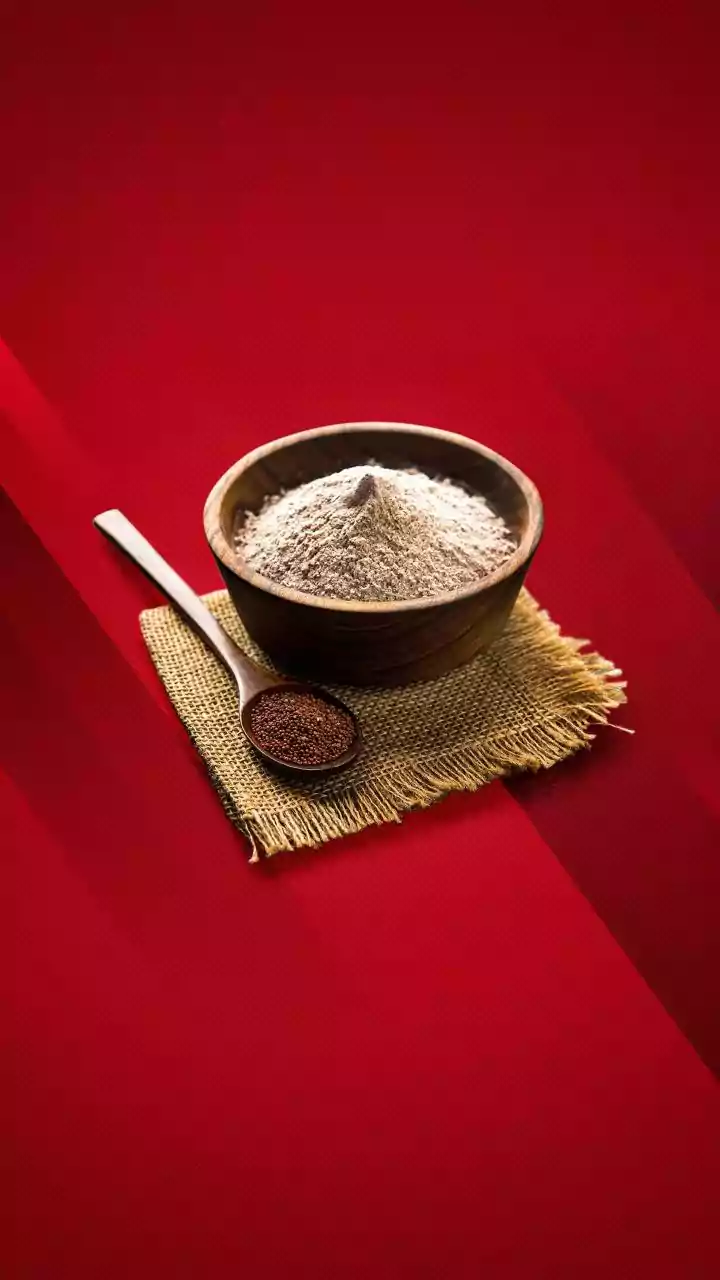
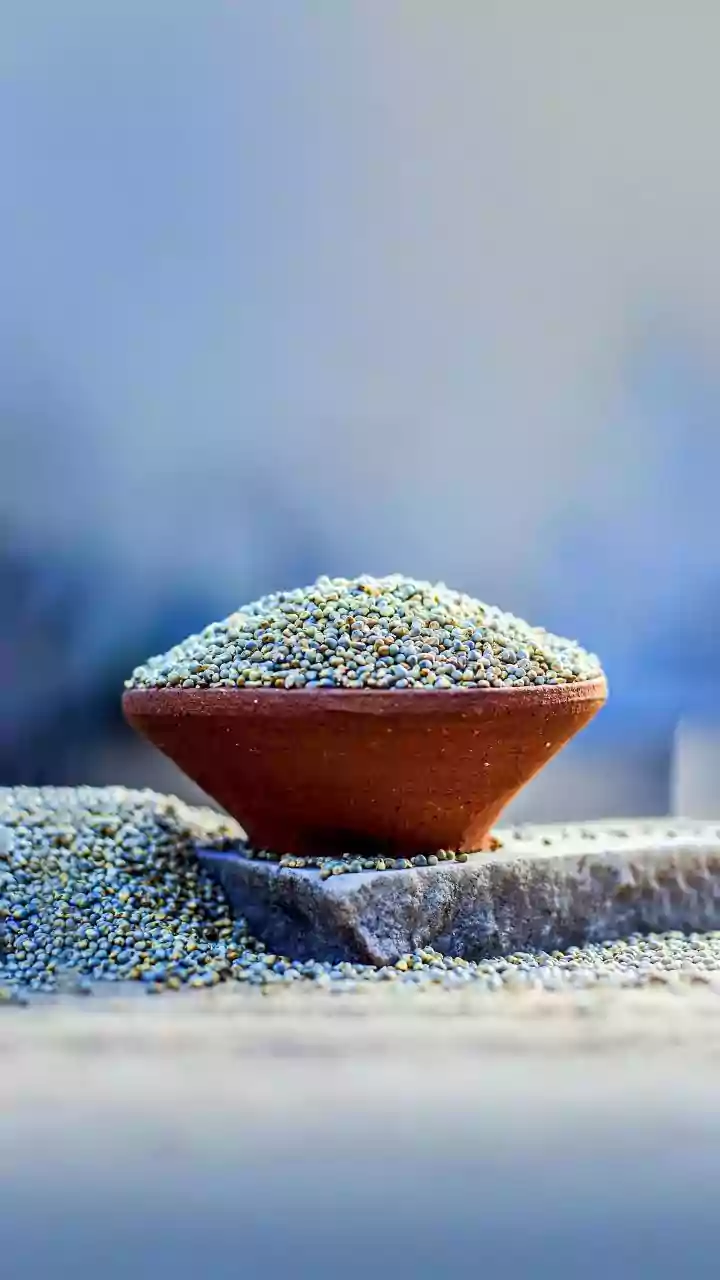
protein sources. This isn't about replacing the classics, but expanding the menu. The shift is driven by a growing awareness of health, sustainability, and the sheer culinary curiosity of a new generation. The Indian plant-based protein market is booming, projected to reach over USD 1.4 billion by 2031, reflecting a clear shift in consumer habits. This expansion is supported by food tech startups creating innovative products from soy, peas, jackfruit, and even indigenous millets.
A Protein-Packed Start to the Day
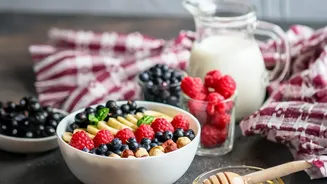
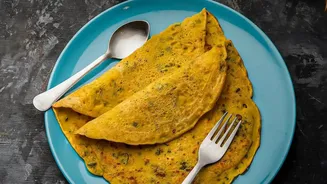
Breakfast, often a carb-heavy meal, is getting a significant protein upgrade. Savoury pancakes like besan chilla (gram flour) and moong dal chilla have long been high-protein vegetarian staples. Now, they are being joined by a host of new-age options. Imagine plant-based scrambled eggs made from lentils, or sausages crafted from soy protein finding a place next to your morning toast. Brands are also introducing high-protein versions of traditional favourites, such as millet idlis and oat-based upma, which offer more sustained energy. Even a simple glass of plant-based milk fortified with pea or soy protein is becoming a popular, quick, and easy way to start the day on a nutritious note.
The Modern Lunch Thali
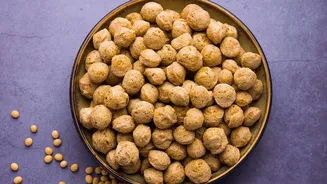
Lunch is also seeing a creative overhaul. The flexitarian approach—where people reduce meat consumption rather than eliminating it entirely—is becoming dominant in urban India. This has opened the door for plant-based alternatives that mimic the taste and texture of meat in familiar dishes. Curries are now being made with mock chicken chunks derived from soy and wheat protein, while jackfruit is gaining popularity as a surprisingly convincing substitute in biryanis. Food-tech companies are developing plant-based keema from soy granules that can be used in everything from stuffings to standalone dishes, offering a high-protein, cholesterol-free alternative that blends seamlessly into traditional Indian cooking methods.
Snack Time Gets a Healthy Makeover
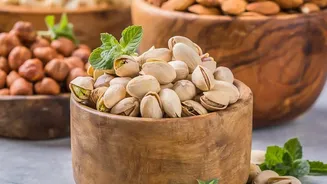
Evening snack time, often the domain of fried and carb-heavy treats, is perhaps the easiest and most exciting area for this protein revolution. Simple swaps like reaching for roasted chana (Bengal gram) or a handful of peanuts can significantly boost your protein intake. But the innovation goes further. Companies are launching baked, not fried, snacks like quinoa and chickpea puffs that provide a satisfying crunch without the guilt. You can also find plant-based versions of classic snacks, such as samosas with a mock-meat filling or kebabs made from textured vegetable protein. These convenient and tasty options make it easier than ever to choose a snack that is both satisfying and genuinely nourishing.
What's Driving the Green Protein Wave?
Several factors are fueling this dietary shift. Health and wellness are major drivers, with consumers increasingly linking their food choices to long-term health outcomes and immunity. Environmental consciousness and concerns about animal welfare also play a significant role, particularly among younger generations like Gen Z and millennials. The rise of homegrown food-tech startups has been crucial, as they are creating products specifically designed for the Indian palate. These companies are solving the 'taste-functionality tradeoff' by making plant-based alternatives that are not only healthy but also delicious and easy to incorporate into everyday cooking.