





The New Garden Reality
Across the country, gardeners are facing a new reality: persistent droughts, watering restrictions, and a changing climate are reshaping what it means to have a beautiful garden. The traditional model, often centered on vast, water-guzzling lawns and delicate,
high-maintenance flowerbeds, is becoming unsustainable. This has sparked a significant shift towards low-water, or 'water-wise,' gardening. More than just a trend, this movement, also known as xeriscaping, is a practical response to environmental pressures. It’s about creating landscapes that are not only beautiful but also resilient and in harmony with the local environment. The goal is to reduce the need for supplemental irrigation, minimize maintenance, and create a garden that thrives, rather than just survives, in local conditions.
The Core Design Lesson: Right Plant, Right Place
The most important design lesson from this shift is simple in theory but profound in practice: work with your climate, not against it. The core principle is to select plants that are naturally adapted to your region's rainfall and temperature patterns. This means moving away from the one-size-fits-all approach and embracing the unique character of your local environment. Native plants are the stars of this strategy. Having evolved over millennia in a specific region, they possess the genetic tools to handle local conditions, including droughts. They typically develop deep and extensive root systems that can access water from deeper in the soil, reducing or even eliminating the need for you to water them once they are established. This strategic selection is the foundation of a garden that is both self-sufficient and beautiful.
Choosing Your Water-Wise Palette
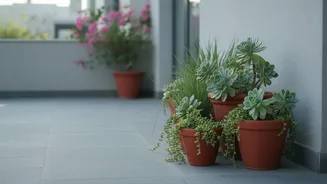
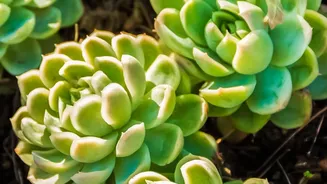
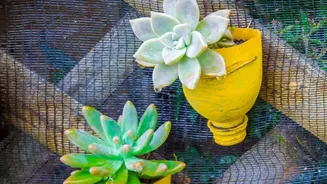
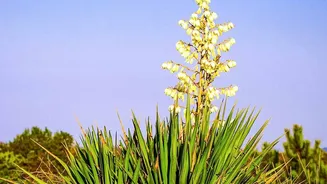
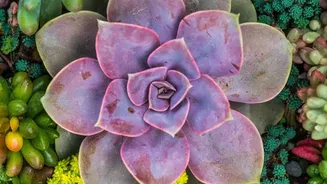
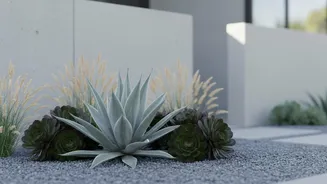
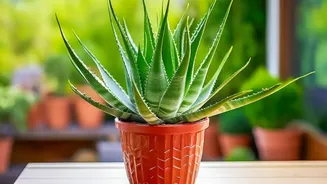
Creating a water-wise garden opens up a whole new world of aesthetic possibilities. Forget the notion that drought-tolerant means a landscape of just rocks and cacti. The modern low-water palette is rich with varied textures, forms, and colours. Look for plants with adaptations like silvery or grey foliage, which reflects sunlight, or small, waxy, or fuzzy leaves that minimize water loss through evaporation. Think of plants like lavender, Russian sage, and stonecrop, which offer vibrant colours and textures while requiring minimal water. Ornamental grasses can add movement and a soft, modern feel. Succulents provide dramatic, architectural forms. By focusing on foliage, texture, and shape, you can design a garden that has year-round interest that goes far beyond just seasonal blooms.
Smart Garden Layouts: Hydrozoning Your Haven
Beyond choosing the right plants, the way you arrange them is crucial for water conservation. This is where 'hydrozoning' comes in. Hydrozoning is the practice of grouping plants together based on their similar water needs. It’s a simple, logical concept that prevents you from, for example, planting a thirsty, water-loving fern next to a drought-loving succulent. By creating distinct zones—such as a 'low-water' zone for established natives and a 'moderate-water' zone for a small vegetable patch or select perennials—you can water more efficiently. This allows you to use targeted irrigation, like drip lines, to deliver water directly to the root zone where it's needed most, preventing waste and ensuring each plant gets the right amount of moisture. This not only saves water and money but also leads to healthier, more robust plants.
The Resilience Reward
The benefits of embracing a low-water garden design extend far beyond a lower water bill. These gardens are, by their nature, lower maintenance. Once established, they require less watering, less mowing, and often fewer pesticides and fertilizers, as native plants have co-evolved with local pests and diseases. Their deep root systems help improve soil structure, increase water infiltration during rain, and prevent erosion. Furthermore, by planting natives, you are creating a vital habitat for local wildlife, including birds, butterflies, and beneficial insects. The ultimate reward is a garden that is not a constant battle against nature, but a beautiful, dynamic, and sustainable extension of your home that is prepared for the future.