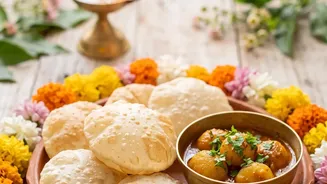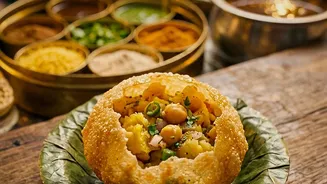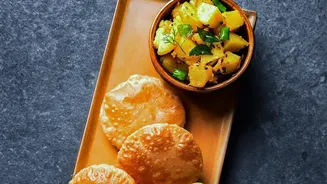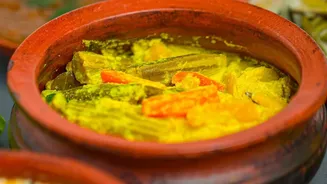


In the landscape of Indian cuisine, some pairings are simply iconic. The combination of fluffy, deep-fried puri with a savoury sabzi is a beloved staple, but adding a sweet counterpart like halwa or jalebi elevates it from a simple meal to a celebration.
The Magic of Sweet and Savoury
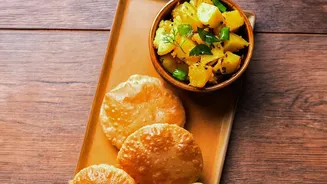
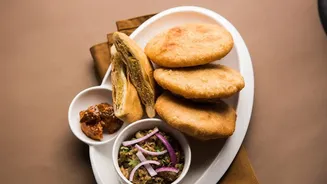
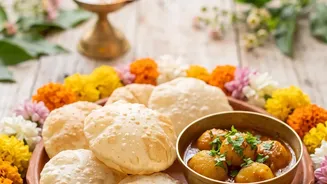
The delightful clash of sweet and savoury is a cornerstone of many global cuisines, but in India, it is an art form woven into the fabric of daily meals and grand feasts. The combination of a spicy, tangy potato or chickpea curry with the simple, satisfying canvas of a hot puri is a classic comfort food. However, the introduction of a sweet element—be it the rich, ghee-laden halwa or the crystalline crunch of a jalebi—transforms the entire experience. This isn't just about having dessert on the same plate; it's about creating a dynamic interplay of flavours where each bite offers a different sensation. The sweetness cuts through the spice, the savoury grounds the sugar, and together, they create a balanced, deeply satisfying meal that feels both indulgent and complete.
A Tradition Steeped in Celebration
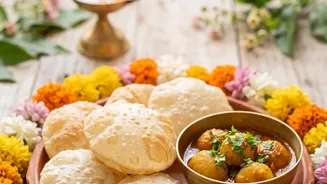
This pairing is not a recent culinary trend but a tradition rooted in festive and religious observance, particularly in North India. One of the most prominent examples is the Navratri Kanya Pujan, or Kanjak, celebrated on Ashtami or Navami. On this day, young girls, seen as embodiments of the goddess Durga, are welcomed into homes and served a special meal. This meal almost invariably consists of sooji halwa, dry kala chana (black chickpeas), and puris. Here, the food is a 'prasad' or a devotional offering, where the sweetness of the halwa symbolizes happiness and auspiciousness. The act of preparing and sharing this specific meal turns a religious ritual into a community feast, reinforcing bonds and creating cherished childhood memories.
Halwa: The Comforting Classic
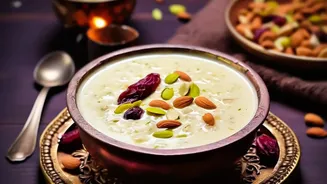
When it comes to halwa, the most common partner for puri is sooji ka halwa, made from semolina, ghee, sugar, and often flavoured with cardamom and nuts. Its soft, melt-in-the-mouth texture provides a wonderful contrast to the crisp puri. The richness of the ghee-roasted semolina is balanced by the plainness of the bread, making for a perfect mouthful. While sooji halwa is the star during Kanya Pujan, other variations also make an appearance. Atte ka halwa (whole wheat flour) offers a darker, nuttier flavour, while gajar ka halwa (carrot) brings its own unique sweetness and texture to the spread. Regardless of the type, halwa brings a sense of warmth and generosity to the meal, signifying it as 'pakcha khana'—food cooked in ghee for special occasions and guests.
Jalebi: The Crispy, Syrupy Indulgence
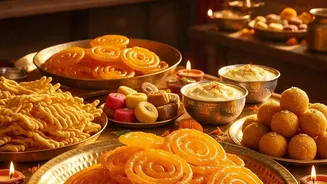
While halwa offers comforting richness, jalebi brings a different kind of joy. These bright orange spirals of deep-fried, fermented batter soaked in sugar syrup are a textural marvel. The experience of eating jalebi is one of a crispy, crunchy exterior giving way to a chewy, syrup-filled centre. When paired with puri sabzi, the jalebi’s intense, almost sharp sweetness acts as a vibrant counterpoint to the earthy and spicy notes of the main course. This combination is a popular breakfast choice in many parts of India, enjoyed at street-side stalls and homes alike. In some regions like Indore, poha is served with a side of jalebi, showcasing the widespread appeal of pairing a savoury breakfast with this iconic sweet. Though its origins trace back to West Asia, the jalebi has become a symbol of celebration in India, present at everything from weddings to festivals like Dussehra and Diwali.
Crafting the Perfect Festive Spread
To create a truly memorable festive spread, balance is key. The sabzi should have enough spice and tang to stand up to the sweet element. A classic aloo ki sabzi (potato curry) or a robust chana masala (chickpea curry) are excellent choices. The puris should be fried until they are puffed and golden, best served hot and fresh. When arranging the plate, the sweet and savoury components are kept distinct, allowing the diner to mix and match with each bite. A dollop of plain yogurt or a sliver of spicy pickle can be added to introduce another layer of flavour, providing a cooling or tangy element that ties everything together. The goal is not just to serve food, but to present an experience that engages all the senses and speaks of tradition, comfort, and the joy of a shared meal.