



More Than Just a Hike
To travel through Greece is to navigate a world shaped by its geography. Mountains dictated where cities could rise, and the paths connecting them became lifelines for trade, culture, and conflict. While the empires that built them are gone, many of these
routes were never fully abandoned. They transformed into shepherd’s tracks, village mule paths, and, more recently, some of Europe's most compelling hiking trails. Walking these paths is more than just outdoor recreation; it's an archaeological experience where the landscape itself tells the story. Every stone bridge, worn-down cobblestone, and cliffside monastery is a chapter in a history that stretches back millennia.
Arcadia: In the Footsteps of Pan
In the heart of the Peloponnese peninsula lies Arcadia, a region so synonymous with pastoral beauty that its name became a byword for unspoiled wilderness. Here, the 75-kilometer Menalon Trail offers a journey through this mythical landscape. This path was the first in Greece to be certified by the European Ramblers' Association, connecting old mule trails that linked nine traditional villages. Hikers traverse the dramatic Lousios River gorge, passing monasteries like Prodromos, built directly into a cliff face, and the ancient Philosophou Monastery, founded in 963 AD. The trail is a living museum, featuring historic stone bridges arching over rivers and water mills that once powered the Greek Revolution. It’s a route steeped in the mythology of Pan, the god of the wild, whose presence was once felt in the region’s virgin forests.
Epirus: On the Trail of the Bear
In the rugged Pindus mountains of northern Greece, the Ursa Trail near the town of Metsovo offers a different kind of historical context. Named 'Ursa' from the Vlach dialect for 'bear', this 40-kilometer certified trail was designed to lead hikers through the natural habitat of the brown bear. The route follows old paths connecting traditional Vlach villages, a culture with deep roots in the pastoral life of the mountains. Metsovo itself is a historic town that once held special privileges within the Ottoman Empire, allowing it to flourish as an autonomous federation of villages. The trail winds through dense forests of black pine and beech, past World War II trenches, and features environmental art installations created by students from the Athens School of Fine Arts, blending modern creativity with the ancient landscape.
The Sacred Way: A Pilgrimage Through Time
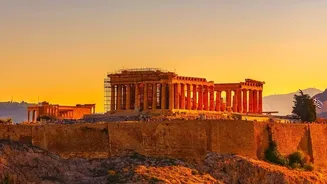
Not all ancient paths were for trade or travel; some were sacred. For over a thousand years, the 'Sacred Way' or 'Iera Odos' was one of the most important routes in the Greek world. This 21-kilometer road carried countless initiates from Athens to the sanctuary at Eleusis for secret religious rites dedicated to Demeter and Persephone. Another famous pilgrimage route led to Delphi, the 'navel of the world'. Worshippers and philosophers made the arduous ascent on a path designed to test their piety, passing monuments and treasuries before reaching the Oracle. While modern roads now cover parts of these routes, sections of ancient paving and pathways remain, allowing visitors to follow in the footsteps of emperors and pilgrims.
Planning Your Journey Through History
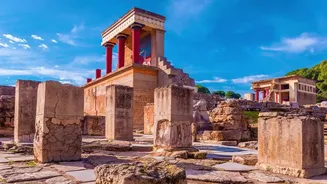
Experiencing these trails can be done independently or with guided groups. Many, like the Menalon and Ursa trails, are well-marked and certified, making them accessible to seasoned hikers. Others, like the paths on Crete that form part of the E4 European long-distance path, take you through ancient Minoan ruins and gorges that served as rebel hideouts. The best times for hiking are typically in the spring and autumn, avoiding the intense heat of summer. Combining these walks with visits to nearby archaeological sites like Delphi, Olympia, or Mycenae creates a travel experience that connects the dots between monuments and the journeys people took to reach them. It's an opportunity to understand that in Greece, the destination and the journey have always been intertwined.