





The Problem of Single-Use Possessions
In an age of hyper-consumption, many of us buy items for infrequent needs. A toolkit for a single DIY repair, a sewing machine for a handful of alterations, or a car pressure washer for occasional cleaning. While convenient, this pattern of individual
ownership has significant downsides. It costs money, consumes valuable space in our homes, and contributes to a massive, growing problem: electronic waste. India is the world's third-largest producer of e-waste, generating millions of tons annually. Many of these discarded items, from power tools to kitchen gadgets, are used only sparingly before they are replaced or thrown away. This linear model of 'take-make-dispose' is not only expensive for consumers but is also environmentally unsustainable, putting immense pressure on landfills and recycling systems.
A Community-Powered Solution: The Library of Things
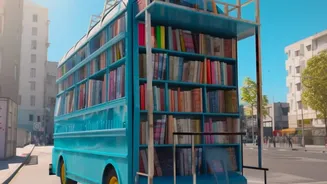
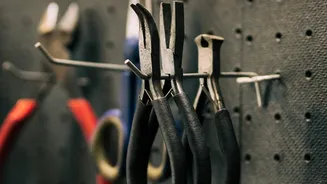
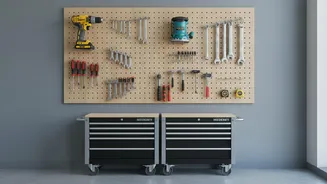
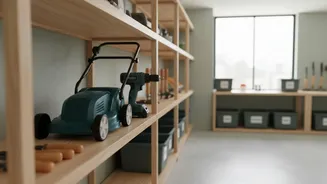
Enter the 'Library of Things', a concept being adapted and implemented within cooperative housing societies across India. The idea is brilliantly simple: instead of every household owning its own set of rarely used tools and equipment, the community collectively owns or manages a pool of resources that residents can borrow when needed. It’s a physical space where residents can access everything from screwdrivers and ladders to board games and small appliances, often for free or a nominal fee. This approach is a direct application of the circular economy, which focuses on maximising the value and lifespan of resources to reduce waste. By shifting the mindset from individual ownership to shared access, communities are finding a practical way to live more sustainably.
How It Works in Practice
Setting up a resource pool is becoming increasingly straightforward, often managed through a society’s existing digital platforms or a dedicated app. Typically, the process starts with the housing society committee designating a secure storage space—a small room or a set of locked cabinets. The initial inventory can be built from donated items from residents or through a one-time contribution from the society's funds. Each item—be it a hammer, a stepladder, or a portable speaker—is catalogued, often with a photo and description. Residents can then browse the available items on their smartphones, check availability, and reserve what they need. Some societies implement a simple check-out system managed by a designated committee member, while others use automated systems with QR codes. The rules are generally straightforward: borrow an item for a set period, use it responsibly, and return it in good condition for the next person to use.
The Direct Link to E-Waste Reduction
The primary environmental benefit of a tool-sharing initiative is its direct impact on consumption patterns. When a housing society of 200 families can share five high-quality power drills instead of 50 individual households buying their own, the reduction in manufacturing demand and future e-waste is substantial. This model extends the useful life of products far beyond what a single owner might achieve. A drill that might be used ten times in its life by one family could be used hundreds of times in a community library, maximising its value before it reaches the end of its lifecycle. This directly counters the trend of planned obsolescence and encourages a 'reduce and reuse' mentality at the community level, which is a cornerstone of effective waste management.
More Than Just Green Benefits
While the environmental advantages are clear, the ripple effects of these initiatives are just as significant. For residents, the most immediate benefit is financial. Not having to purchase expensive equipment for one-time use can lead to considerable savings. It also frees up precious storage space in apartments, a common constraint in urban living. Beyond the practicalities, these resource pools foster a stronger sense of community. The act of sharing builds trust and encourages interaction among neighbours, turning a residential complex into a more collaborative and supportive environment. Some initiatives even expand to include books, sports equipment, and camping gear, further enhancing the quality of life and promoting shared experiences.