





Understanding Workout Intensity
Workout intensity simply refers to how hard your body is working during physical activity. In a freestyle dance context, this could be the difference between a gentle sway and a series of high-energy jumps. It’s not about pushing to your absolute limit
every time, but about choosing the right level of effort for your specific goal, whether that's improving cardiovascular health, burning calories, or just enjoying some light movement. The best intensity is personal and can change daily based on your energy, fitness level, and how well you’ve recovered. A brisk dance session that feels moderate to a beginner might feel like an easy recovery workout for a seasoned dancer.
The Gentle Groove: Low-Intensity
Low-intensity freestyle dance is all about smooth, continuous movement where you can comfortably hold a conversation or even sing along to the music. Think gentle hip sways, step-touches, and flowing arm movements. This level is perfect for beginners, active recovery days, or anyone looking for a joint-friendly workout, as low-impact moves keep at least one foot on the ground. While it feels gentle, a low-intensity dance session still boosts circulation, improves mobility, and can be a powerful mood-lifter. It’s an excellent way to build confidence and establish a consistent routine without the risk of overdoing it.
The Sweet Spot: Moderate-Intensity
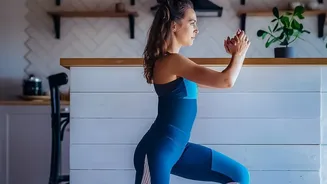
This is the gold standard for reaping broad health benefits, from improved heart health to weight management. During a moderate-intensity dance workout, your breathing and heart rate are noticeably elevated. You can still talk, but only in shorter sentences. This is the zone where you’ll start to break a sweat. Moves might include brisk side-to-side steps, dynamic arm sequences, and controlled bodyweight movements like squats and lunges incorporated into the dance. Many popular dance fitness classes like ballroom or general cardio dance fall into this category, burning a similar number of calories to a brisk walk or light jog.
The Power Pulse: High-Intensity
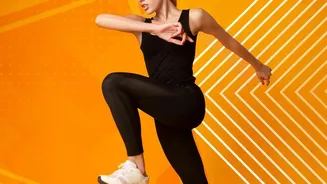
High-intensity dance is where you push your limits. These sessions involve explosive, powerful movements like jumps, fast-paced hip-hop moves, or high knees that get your heart rate soaring. During these bursts of effort, you’ll be breathing hard and will find it difficult to speak more than a few words at a time. This level is fantastic for improving cardiovascular endurance and burning a high number of calories in a shorter period. Many workouts use a High-Intensity Interval Training (HIIT) format, alternating between all-out effort and brief recovery periods. While effective, high-impact moves place more stress on the joints, so it's crucial to have a good fitness foundation and listen to your body to prevent injury.
How to Listen To Your Body
The most important tool in a freestyle workout is your own perception. The 'Talk Test' is a simple way to gauge intensity: if you can talk, you're likely in the low-to-moderate zone; if you can only manage short phrases, you're in the moderate-to-vigorous zone. Another useful tool is the Rate of Perceived Exertion (RPE) scale, often a simple 1-to-10 scale where 1 is sitting on the couch and 10 is an all-out sprint. For most health benefits, aiming for a 5-7 on this scale is a great target. The freedom of freestyle means you can adjust on the fly. If a move feels too intense, modify it by reducing your range of motion or taking out the jump. If you have more energy, you can increase your speed or add more power. The goal is to feel challenged, but also capable and energized.