

The Science of Sattvic Eating
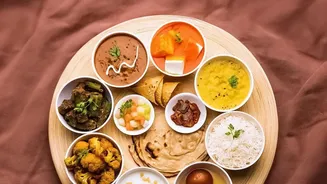
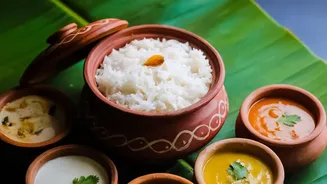
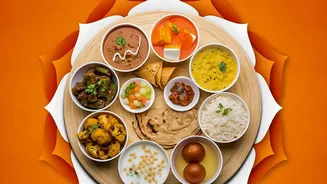
During Sawan, which coincides with the monsoon, many devotees adopt a 'sattvic' diet. Rooted in Ayurveda, this practice involves eating fresh, light, and easily digestible foods. The goal is to calm the mind and body, aiding in spiritual focus. This means
avoiding onion, garlic, regular salt, grains, and non-vegetarian items. According to Ayurveda, the digestive fire ('agni') is weaker during the rainy season, making heavy foods difficult to process. The sattvic diet, therefore, is a seasonal reset that supports gut health, reduces bloating, and enhances mental clarity during this period of devotion.
Western India's Comforting Classics
In Maharashtra and Gujarat, Sawan fasting is synonymous with sabudana (tapioca pearls). Sabudana Khichdi is a beloved staple, made by tossing soaked pearls with roasted peanuts, boiled potatoes, and mild spices like cumin and green chillies. Another favourite is the Sabudana Vada, a crispy, deep-fried patty that is soft on the inside. These dishes provide a quick source of carbohydrates and energy. To satisfy a sweet tooth, Maharashtrians often prepare Sitaphal Basundi, a rich, creamy dessert made from custard apples and thickened milk, while Gujarati households may whip up a Rajgira Sheera, a sweet pudding made from amaranth flour.
Northern India's Hearty Feasts
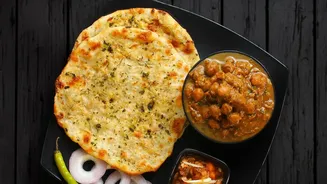
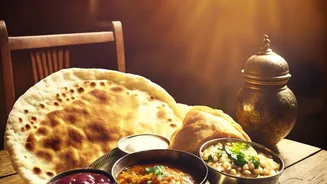
In states like Uttar Pradesh, Punjab, and Uttarakhand, fasting menus are robust and flavourful. Kuttu ki Poori (buckwheat flour bread) is a popular choice, often paired with a simple yet delicious Vrat Wale Aloo, a potato curry made without onion or garlic, using rock salt (sendha namak). Samak rice, also known as barnyard millet, is another key ingredient, used to make a comforting khichdi or pulao. For a unique regional touch, Arbi ke Pakode (colocasia fritters) from Uttarakhand offer a delightful crunch, perfectly suited for a rainy monsoon evening.
Eastern India's Unique Delicacies
While fasting traditions can vary, Eastern India offers its own unique flavours. In Bihar, makhana (fox nuts) take centre stage. A popular preparation is Makhana Kheer, a creamy dessert where roasted fox nuts are simmered in sweetened milk with cardamom and nuts. This dish is not only delicious but also light and nutritious. In Bengal, one might find a vegetarian version of Ghugni, a savoury curry traditionally made with dried yellow peas, adapted for fasting by omitting prohibited spices. These dishes showcase how regional produce is creatively incorporated into the fasting diet.
Beyond the Main Course: Snacks and Sweets
No fast is complete without its share of snacks and sweets. Across India, fruits and dairy products like paneer, curd, and lassi are universally consumed. Roasted makhana, tossed with a little ghee and rock salt, is a favourite crunchy snack. For those with a sweet craving, there's a wide array of options. Peanut Ladoo, made with roasted peanuts and jaggery, provides a quick energy boost. Singhare ka Halwa, a dense and rich pudding made from water chestnut flour, is another comforting classic that delivers sustained energy for long fasting days. These treats prove that vrat food can be both pious and pleasurable.