



The Sun’s Unpredictable Fury
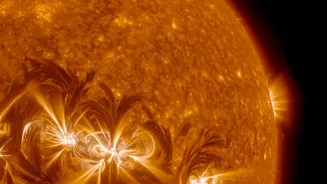
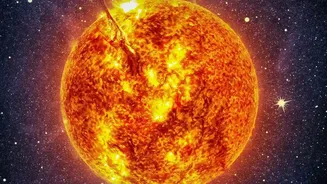
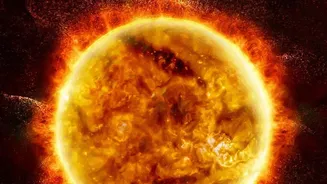
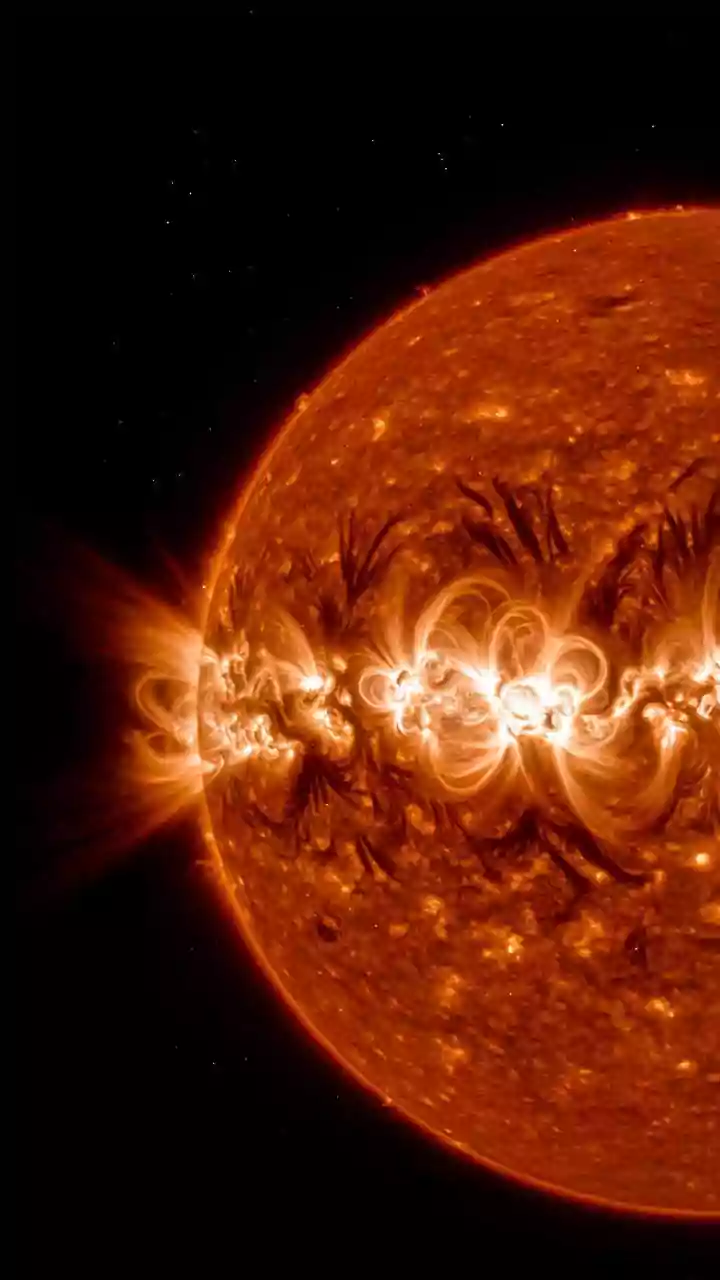
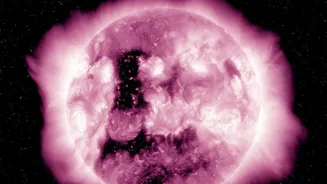
The Sun, the star that gives us life, also has a volatile temper. It periodically unleashes solar flares, which are intense bursts of radiation, and coronal mass ejections (CMEs), which are colossal clouds of magnetised plasma hurled into space at immense
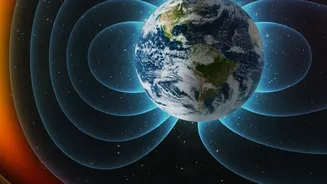
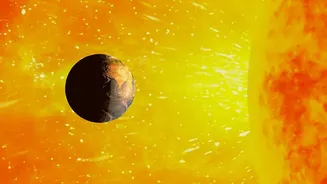
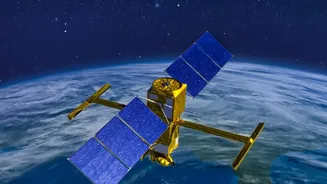
speeds. While most of this solar weather misses us, a direct hit can be devastating. These geomagnetic storms can cripple satellites, disrupt GPS and radio communications, and even induce powerful currents that overload and destroy electrical power grids on the ground. The famous 1859 Carrington Event, which set telegraph offices on fire, would cause trillions of dollars in damage if it happened today.
A Cosmic Race Against the Clock
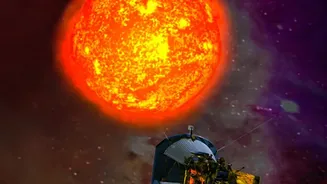
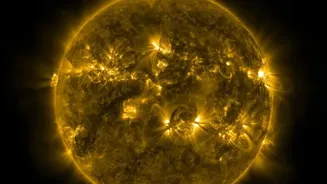
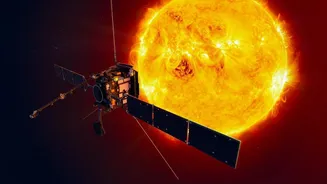
For decades, predicting this space weather has been a major challenge. Scientists can monitor the Sun for tell-tale signs like sunspots, but these methods often provide very little lead time. A CME can travel from the Sun to Earth in just one to three days. The problem isn't a lack of data; satellites like NASA’s Solar Dynamics Observatory (SDO) beam back a torrent of information 24/7. The challenge lies in sifting through this astronomical volume of data to find the faint, pre-eruptive signals hidden within. It's a task that is simply too vast and too complex for humans to handle effectively in real-time.
Training a Digital Solar Watcher
This is where artificial intelligence enters the picture. Researchers are using a type of AI called machine learning to build models that can forecast solar activity with greater speed and accuracy. The process is similar to teaching an AI to recognise faces in photos. Scientists feed these models years of archival solar data, including images of the sun’s surface, measurements of its magnetic fields, and even its internal acoustic waves. By analysing thousands of past events, the AI learns to identify the subtle, complex patterns and precursor signals that lead up to a solar flare or CME — patterns that are often invisible to human observers.
From Early Clues to Final Impact
AI is now helping across the entire prediction timeline. One model, called EarlyDetect, listens to the acoustic vibrations inside the Sun to predict where a storm-generating active region will emerge, providing a potential warning up to nine hours in advance. Another model, a NASA and IBM collaboration named Surya, scrutinizes images of the Sun's atmosphere to forecast the likelihood of a solar flare. Once a storm is on its way, a model called DAGGER (Deep Learning Geomagnetic Perturbation) can analyze data from the solar wind and predict exactly where on Earth the storm will have an impact, giving grid operators and satellite companies a crucial 30-minute warning to take protective measures.
A Shield for Our Digital Age
This newfound ability to forecast solar weather has profound implications for India. A more reliable warning system helps protect our critical infrastructure. It gives satellite operators, including those managing ISRO’s fleet, time to power down sensitive electronics. It allows power grid managers to stabilize their networks to prevent widespread blackouts that could cripple our cities. Furthermore, it safeguards vital services that rely on precise positioning, from aviation to our own navigation system, NavIC. In an age where nearly every aspect of our lives is connected, predicting space weather is a matter of national security and economic stability.