


The Science of a Perfect Grain
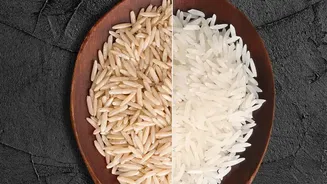
What makes one rice variety fluffy and separate, while another is soft and sticky? The secret lies in its starch composition. Every grain of rice contains two types of starch: amylose and amylopectin. Rice with a high amylose content, like long-grain
Basmati, cooks up into distinct, fluffy grains because amylose doesn't gelatinize or become gooey in water. In contrast, rice high in amylopectin becomes sticky when cooked. The amylopectin molecules are highly branched and swell up, absorbing water and binding the grains together. This gives short-grain varieties their characteristic soft or sticky quality, perfect for specific dishes where that texture is desired.
The Aromatic Star of Bengal: Gobindobhog
Travel to West Bengal, and you'll find Gobindobhog rice at the heart of its culinary traditions. This short-grain aromatic rice is cherished for its buttery, floral fragrance and soft, slightly sticky texture. Its name is a nod to its sacred history, as it was traditionally used as an offering (bhog) to Lord Krishna (Gobindo). The texture of Gobindobhog is ideal for dishes where the rice needs to blend seamlessly with other ingredients. In a traditional Bengali khichuri, it melds beautifully with lentils, and in payesh (rice pudding), its natural aroma and creamy consistency create a truly memorable dessert.
The Biryani Debate: Seeraga Samba
While North Indian biryanis often favour the long, separate grains of Basmati, South India has its own champion: Seeraga Samba. This tiny, short-grain rice, popular in Tamil Nadu, is prized for its ability to absorb flavours. Unlike Basmati, whose grains remain distinct partners to the masala, Seeraga Samba grains soak up spices so deeply that the rice itself becomes an integral part of the masala. This results in a biryani with a richer, more integrated flavour profile. Its texture is less fluffy than Basmati, but its exceptional flavour absorption makes it the authentic choice for regional specialities like Dindigul and Ambur biryani.
The Scent of Mango Blossoms: Ambemohar
From Maharashtra comes Ambemohar, a rice whose name translates to “mango blossom” in Marathi. This short-grain variety is revered for its delicate, floral aroma that evokes the scent of blooming mango orchards. When cooked, Ambemohar becomes soft, fluffy, and slightly sticky, making it perfect for traditional Maharashtrian comfort foods. It is the preferred choice for dishes like Varan Bhaat (dal rice), masale bhaat, and comforting pej (rice gruel). Its easy digestibility and gentle flavour make it a favourite for all ages.
Assam’s Fragrant Gold: Joha Rice
In Assam, Joha rice is a celebrated indigenous variety known for its unique and delicate aroma. This premium short-grain rice has a pleasant fragrance attributed to the same natural compound found in Basmati, 2-acetyl-1-pyrroline. However, Joha's aroma is often described as more subtle and floral. Historically, it was considered a regal food during the Ahom dynasty. Though the grains are small, they cook up soft and are suitable for a variety of dishes, including pulao and kheer. Its distinct aroma and taste have earned it a Geographical Indication (GI) tag, protecting its regional identity.