


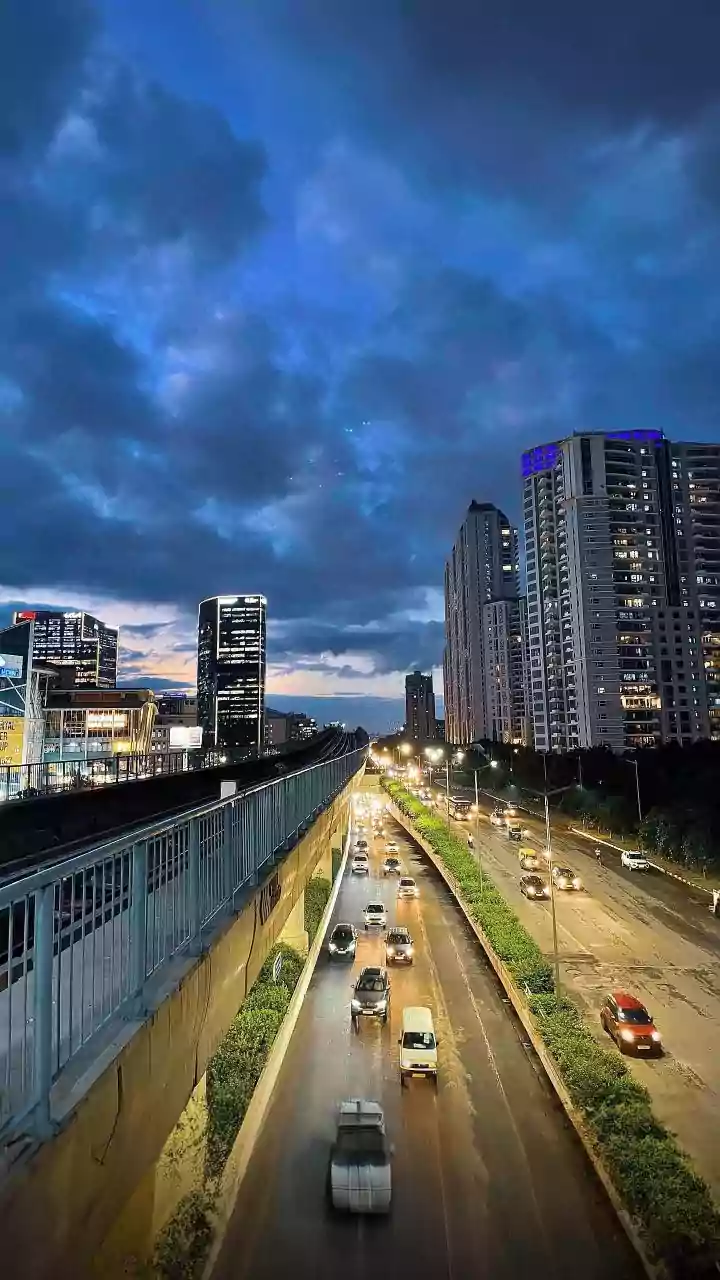






Rethinking Your Route: Navigating Air Quality
The 2026 report underscores a stark reality: for millions, clean air is a luxury. With a vast majority of the population living outside the range of air quality monitors, the true extent of pollution is often invisible but deeply felt. For the everyday
person, this changes everything from the daily commute to weekly routines. Planning your day now requires checking the Air Quality Index (AQI) with the same diligence as the weather forecast. It means deciding if a morning walk is healthy or harmful and whether children should play outdoors after school. This environmental data is now a critical factor in urban living, influencing decisions on everything from which neighbourhood to live in, the necessity of buying air purifiers for the home, and even the times of day it is safest to be outside.
The New Household Budget: Planning for Water Scarcity
Water, once taken for granted, is now a resource that requires careful household management. The report highlights that hundreds of millions of people in India face high to extreme water stress, a situation exacerbated by erratic monsoons and depleted groundwater. For families, this translates into direct changes in daily planning. It's no longer just about turning off a running tap; it's about strategizing water usage. This includes planning for intermittent municipal supply by investing in storage tanks, scheduling laundry or cleaning around water availability, and factoring in the rising cost of private water tankers into the monthly budget. In many areas, the reliability of water access dictates daily chores and is a growing source of anxiety and financial strain, making water management a crucial part of household planning.
Your Calendar vs. the Climate: Adapting to Extreme Weather
Extreme weather events are no longer rare occurrences but a regular feature of the Indian climate, with 2025 having seen extreme weather on 99% of its days. This increasing frequency of heatwaves, intense rainfall, and flooding demands a new level of personal and family preparedness. Planning a summer vacation now involves assessing heatwave risks, not just booking flights. Similarly, monsoon travel requires contingency plans for floods and travel disruptions. For homeowners, long-term planning must now consider reinforcing homes against extreme weather or investing in measures to mitigate heat. Even daily work and school schedules are being altered, with governments adjusting hours to avoid the peak heat of the day. This new reality means our personal calendars are increasingly at the mercy of a volatile climate, forcing us to plan for disruptions as the new norm.
The Hidden Costs: Environmental Impact on Your Wallet
The environmental challenges detailed in the report have a direct and growing impact on the cost of living. The damage to millions of hectares of crops due to extreme weather directly translates to higher food prices at the market. A single day of extreme heat is estimated to cause thousands of excess deaths nationally, which points to a wider burden of heat-related illness that drives up healthcare expenses for families. Lost productivity from heat stress is also a major economic drain, potentially costing millions of jobs. The ripple effects are everywhere, from increased insurance premiums to higher electricity bills from the surging demand for cooling. Essentially, environmental degradation is imposing a hidden tax on every household, making financial planning more complex and forcing families to budget for impacts that were once considered anomalies.