


Why We’re Ditching the Soda
For years, the brightly coloured, artificially sweetened soft drink was the default choice to beat the Indian summer heat. But a shift is underway. A growing awareness around health, a desire for natural ingredients, and a yearning for authentic flavours
have paved the way for a renaissance of traditional Indian beverages. These aren't just drinks; they're liquid heirlooms, packed with the wisdom of generations who knew how to stay cool long before refrigeration and factories. They offer complex flavours—tangy, sweet, sour, and spiced—that a can of soda simply can't replicate. This renewed interest isn't just about nostalgia; it's a conscious choice for wellness, flavour, and sustainability.
The King of Cool: Aam Panna
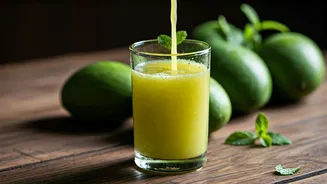
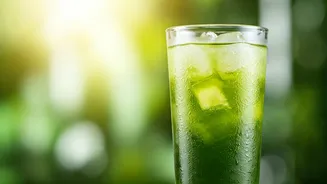
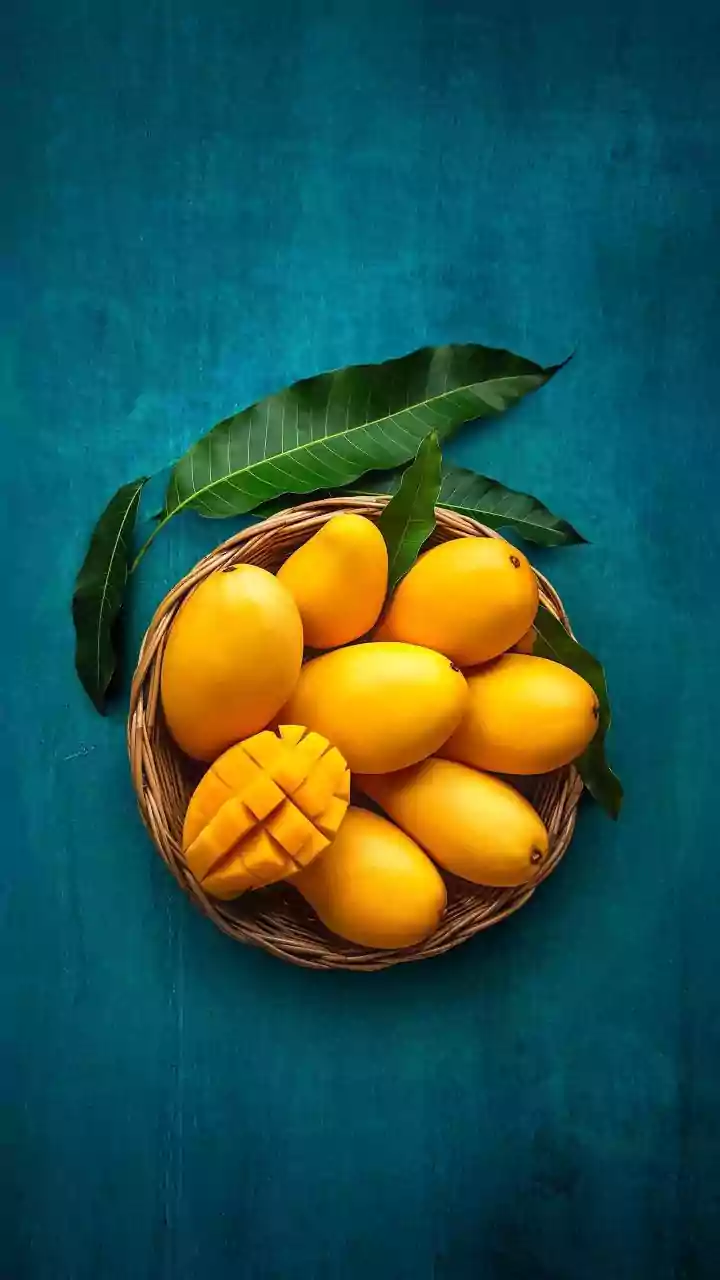
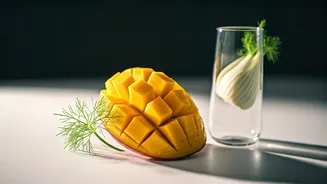
If there’s one drink that screams Indian summer, it’s aam panna. Made from the pulp of raw, green mangoes, this drink is the perfect balance of tangy and sweet. The mangoes are boiled or roasted, pulped, and then blended with water, sugar or jaggery, and a mix of spices like cumin, black salt (kala namak), and mint. Its 'cooling cred' comes from its well-known ability to prevent heat stroke and replenish sodium chloride and iron lost through sweat. It’s a powerhouse of electrolytes, making it the most sensible and delicious way to rehydrate. Today, artisanal brands are bottling it, and cafes are serving it with a modern twist, but nothing beats the simple, homemade version.
The Konkan Gem: Kokum Sharbat
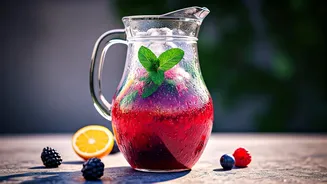
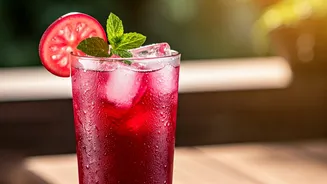
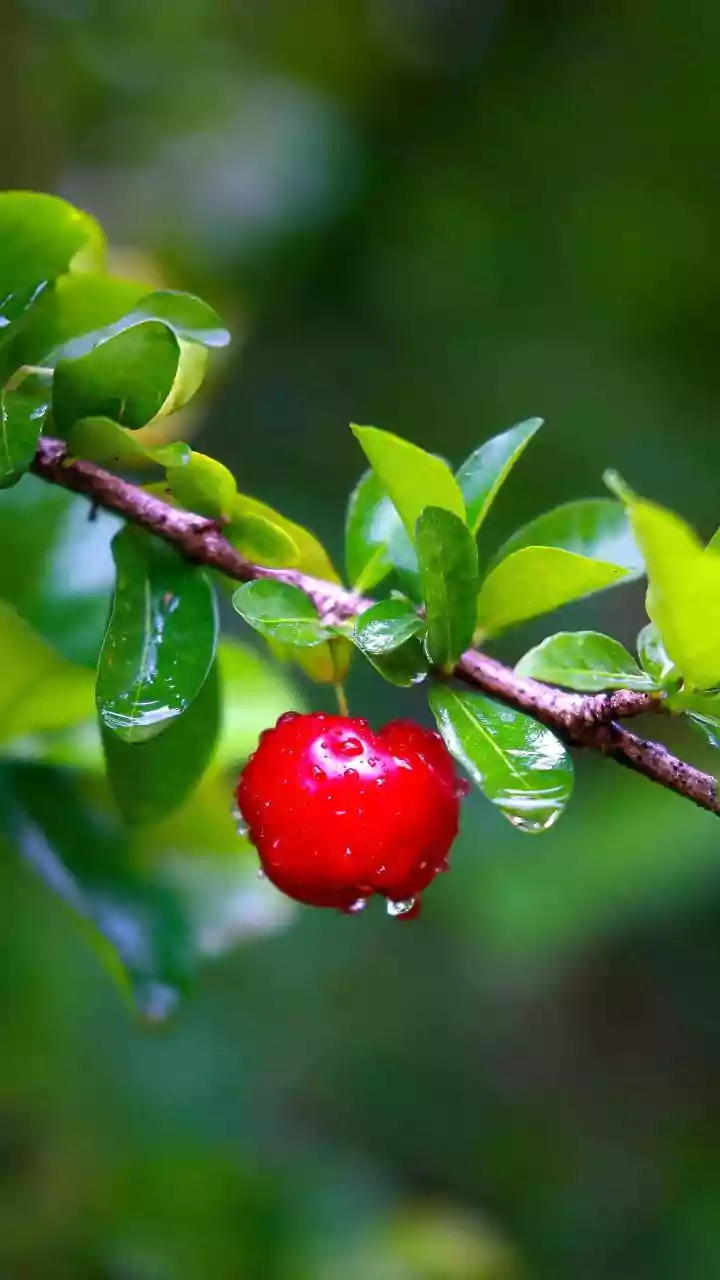
Venture to the coastal regions of Maharashtra and Goa, and you’ll find this ruby-red elixir. Kokum, a fruit from the mangosteen family, is rarely eaten raw but is prized for its dried rind. This rind is soaked in water to create a vibrant, tart concentrate for kokum sharbat. Known for its digestive properties, it’s a brilliant antidote to the heaviness that can accompany summer meals. Its active ingredient, garcinol, is also a potent antioxidant. The flavour is unique—deeply sour with a faintly sweet, almost floral, aftertaste. It cuts through heat and humidity like nothing else, making it a beloved regional classic that’s now finding fans across the country.
The Gut Guardian: Bel Sharbat
Bel, or wood apple, might not win any beauty contests with its hard, woody exterior, but what’s inside is pure gold. The fibrous, aromatic pulp has been a staple in Ayurvedic medicine for centuries, particularly for digestive health. To make the sharbat, the pulp is scooped out, soaked in water, mashed, and strained to create a thick, earthy-smelling juice. Sweetened with jaggery and thinned with water, it’s a drink that cools the system from the inside out. It’s known to cure stomach ailments and is rich in riboflavin and thiamine. The taste is an acquired one—musky and sweet—but its benefits and deep-rooted cultural significance make it a true wellness hero.
The Tiny Treasure: Phalsa Sharbat
Phalsa, or Indian sherbet berry, is a tiny, dark purple fruit that appears for a fleeting few weeks at the peak of summer. These berries are a flavour explosion—a perfect mix of sweet and acidic. The sharbat is made by crushing the berries, soaking them in water, straining the juice, and sweetening it. The resulting drink is a beautiful purplish-pink hue and tastes like a grown-up, more complex version of a berry slushie. Phalsa is an excellent source of Vitamin C and antioxidants, making it great for hydration and fighting inflammation. Its short season makes it a treasured treat, a fleeting reminder of summer’s bounty.