
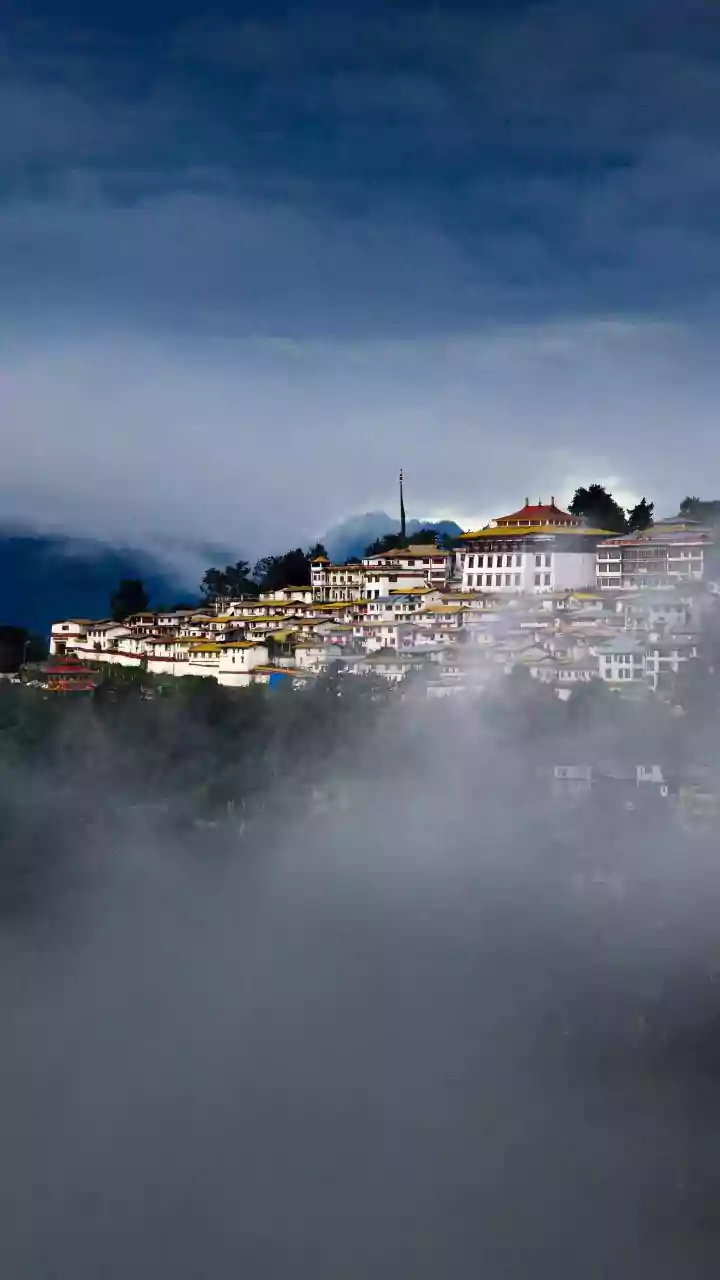


Why Arunachal for a Solo Trip?
Before we dive into the valleys, let's address why this northeastern jewel is a fantastic choice for solo exploration. Unlike more commercialised destinations, Arunachal offers a rawness and authenticity that is deeply rewarding. The culture is rooted
in community, and locals are generally warm and welcoming to respectful travellers. A solo journey here isn't just about seeing sights; it's about introspection, connecting with nature on a profound level, and experiencing ancient cultures that have thrived in isolation for centuries. It’s a trip that challenges and changes you, pushing you to be more self-reliant while also opening you up to genuine human connection.
Dibang Valley: For the Intrepid Soul
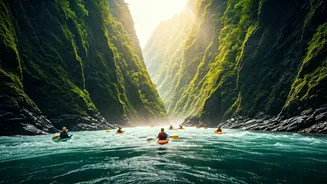
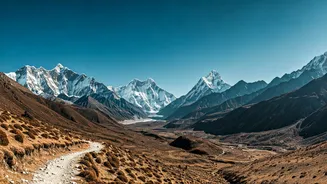
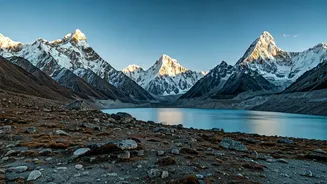
If your idea of solo travel involves rugged landscapes, challenging roads, and a feeling of being at the world's edge, Dibang Valley is your calling. As one of the most sparsely populated districts in India, it offers unparalleled solitude. The journey itself, through winding mountain roads, is an adventure. Home to the Idu Mishmi tribe, the valley is a treasure trove of biodiversity, with dense forests, pristine rivers, and snow-capped peaks. Anini, the district headquarters, feels like a frontier town where time slows down. **Why it’s great for solos:** It provides the ultimate disconnect. With limited phone connectivity and electricity, you are forced to be present. It’s perfect for experienced solo travellers, especially bikers, who are self-sufficient and seek a raw, unfiltered experience. The homestays, though basic, offer a deep cultural immersion with the welcoming Mishmi people.
Mechuka Valley: The Enchanted Land
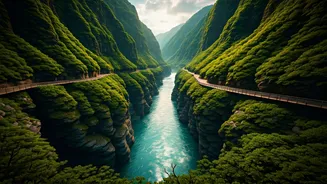
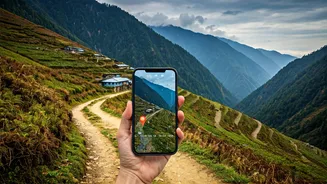
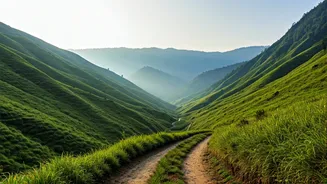
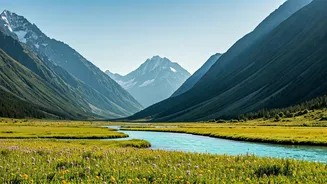
Often called the 'Forbidden Valley of Arunachal', Mechuka is a picture-postcard destination that feels surreal in its beauty. Situated in a verdant valley carved by the Siang River (which becomes the Brahmaputra downstream), it's dotted with quaint wooden houses, Buddhist monasteries, and iconic hanging bridges. The landscape is a gentle mix of rolling hills, pine forests, and vast meadows where horses graze freely. A visit to the 400-year-old Samten Yongcha Monastery offers both spiritual solace and panoramic views of the valley. **Why it’s great for solos:** Mechuka is incredibly safe and the local Memba tribe is known for its hospitality. It’s small enough to explore on foot or a rented bicycle, making it easy to navigate alone. The abundance of cosy homestays ensures you’re never truly isolated unless you want to be. It’s the perfect place for leisurely walks, photography, and quiet contemplation.
Sangti Valley: The Hidden Gem
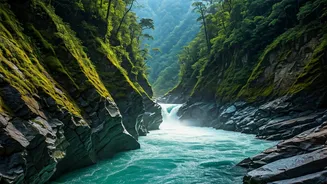
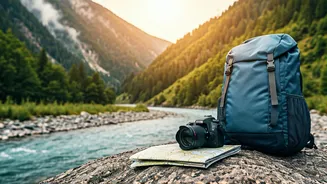
While many travellers head straight to Tawang, the serene Sangti Valley, located about 15 kilometres from Dirang, remains a well-kept secret. This picturesque valley is surrounded by the Eastern Himalayas and is known for its lush fruit orchards (kiwi, apple, orange) and pristine forests. A crystal-clear river flows through the valley, making it ideal for quiet picnics and lazy afternoons. In the winter months, it becomes a sanctuary for the majestic black-necked cranes that migrate from Tibet. **Why it’s great for solos:** Its relative obscurity means you’ll have large swathes of nature all to yourself. The valley is compact, promoting a slower pace of travel. You can spend your days hiking through the villages of the Monpa tribe, learning about their customs, or simply reading a book by the river. The sense of peace here is profound, making it an ideal spot for a reflective solo retreat.
Essential Tips Before You Go
A solo trip to Arunachal requires some planning. First and foremost, all domestic tourists require an Inner Line Permit (ILP), which can be applied for online. International tourists need a Protected Area Permit (PAP). Connectivity is a major factor; while major towns have mobile networks, be prepared for digital detoxes in more remote valleys. Pack layers, as the weather can change in an instant. Carry a basic medical kit, power bank, and enough cash, as ATMs are scarce outside of main towns. Most importantly, hire local guides and stay in registered homestays. This not only ensures your safety but also contributes directly to the local economy.