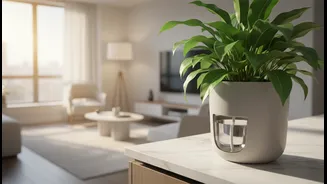



The Dark Side of a Crowded Jungle
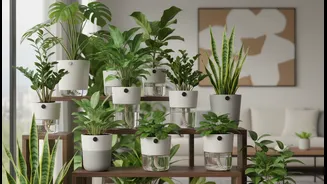
It’s easy to get swept up in the trend of collecting houseplants. While the aesthetic of a room overflowing with greenery is appealing, it can quickly turn from a passion into a problem. When plants are packed too tightly, they compete for essential resources
like light, water, and soil nutrients, which can lead to stunted growth. Furthermore, overcrowding reduces air circulation, creating a humid environment that becomes a breeding ground for pests and fungal diseases. What starts as a beautiful collection can become a high-maintenance headache, with yellowing leaves, pest infestations, and a general sense of clutter that detracts from the calm you were trying to create.
The 'Less Is More' Philosophy
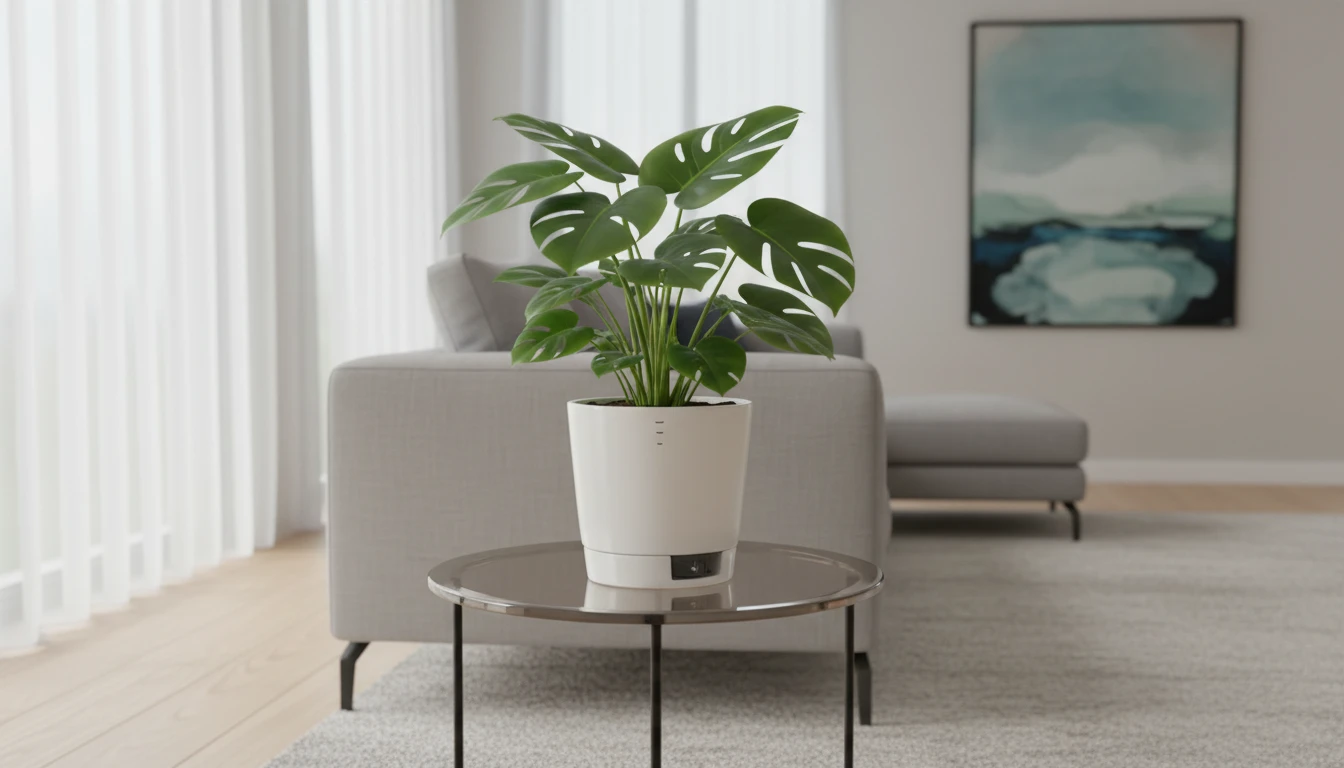
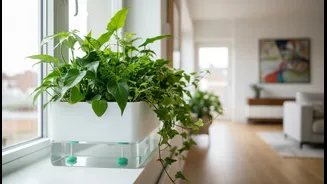
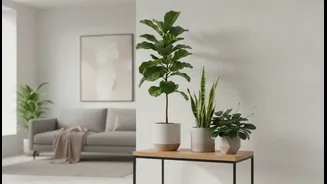
Embracing a “quality over quantity” mindset can transform your relationship with your indoor garden. Focusing on a smaller number of plants allows you to give each one the attention it deserves. Many indoor gardeners find that after curating their collection, the overall health of their plants improves significantly. With fewer plants, you can easily monitor for early signs of trouble, provide more accurate watering, and ensure each one has the space to flourish. This approach not only results in healthier, more robust plants but also turns them into living statement pieces that enhance your decor rather than overwhelming it. A few well-cared-for plants can have a greater positive impact than a multitude of struggling ones.
Choosing Your Plant Champions
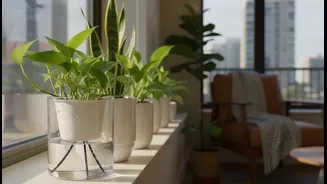
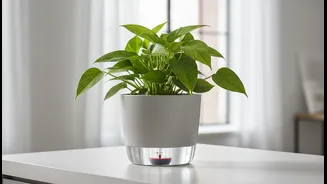
The key to a successful minimalist plant collection is choosing the right plants for your specific environment and lifestyle. Before you buy, assess the light in your home. Plants have different needs; some require bright, direct sun, while others prefer the shade. Don’t just buy a plant because it looks good at the nursery. Instead, inspect it for signs of good health: vibrant, evenly colored leaves, no brown spots or pests, and a strong root system that isn't circling the pot. If you're a beginner or have a busy schedule, opt for low-maintenance varieties like Snake Plants, Pothos, or Spider Plants. These are forgiving and can thrive with less attention, giving you the confidence to grow your green thumb.
Creating a Thriving Environment
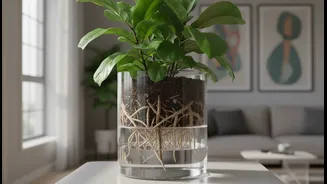
Once you have your select few, creating the right environment is crucial. This goes beyond just light. Proper watering is often the biggest challenge for plant owners. Overwatering is the most common cause of indoor plant death, leading to root rot. A good rule is to check the soil with your finger; if the top inch or two is dry, it's time to water. Ensure your pots have drainage holes to allow excess water to escape. You can also boost humidity for moisture-loving plants by grouping them, placing them on a pebble tray with water, or using a mister. Finally, don't be afraid to prune your plants. Removing dead or yellowing leaves keeps the plant looking tidy and encourages healthy, new growth.