






A Plate of Sunshine
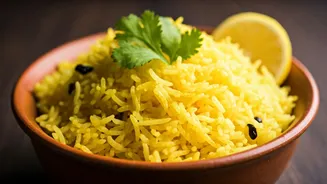
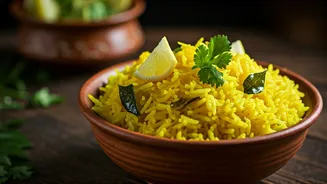
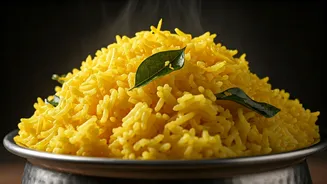
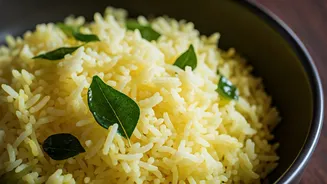
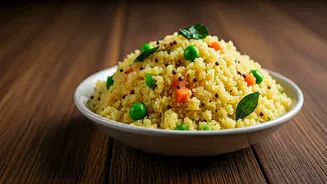
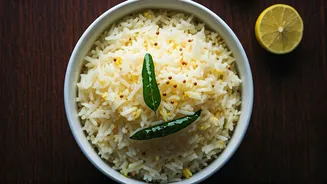
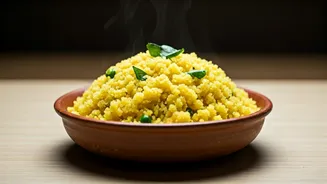
The magic of lemon rice begins with its colour. On a gloomy, rain-soaked day, the brilliant yellow hue of the rice, punctuated by green chillies, red peppers, and dark mustard seeds, is an instant mood-lifter. It’s visual optimism, a plate of sunshine
that cuts through the grey monotony of the monsoon. The aroma itself is an antidote to the dampness outside—the sharp, fresh scent of lemon, the earthy notes of turmeric, and the warm crackle of the tadka promise comfort and flavour. This sensory appeal is a huge part of its charm. It’s not just food; it’s a form of edible cheerfulness, perfectly designed to combat the seasonal blues.
The Comfort of Simplicity
Beyond its vibrant appearance, lemon rice is a champion of convenience—a crucial factor during the monsoon when a trip to the market can feel like an expedition. Its core ingredients are pantry staples in most Indian households: leftover rice, lemons, turmeric, mustard seeds, and perhaps a few lentils or peanuts for crunch. The dish comes together in minutes. It can be made with freshly cooked rice or, even better, with day-old rice, making it a perfect solution for a quick lunch or a light dinner. This simplicity is its superpower. It requires minimal effort for maximum reward, offering a delicious, satisfying meal without the fuss of complex preparations, which is exactly what one needs on a lazy, rainy afternoon.
A Dish with Deep Roots
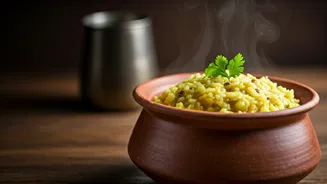
While enjoyed across the country, lemon rice, known as Chitranna in Karnataka, has deep cultural roots in South India. It is a staple tiffin box item, a reliable travel food because it keeps well, and a common offering, or 'prasad', in temples. This history imbues the dish with a powerful sense of nostalgia and tradition. For many, the taste of lemon rice is intertwined with memories of childhood lunches, train journeys, or festive gatherings. Its presence as a divine offering also lends it a certain purity and sanctity. It’s a food that is simultaneously humble and sacred, equally at home in a steel lunchbox as it is on a banana leaf in a temple. This versatility has cemented its place in the culinary heart of India.
Light, Healthy, and Wise
There is also a practical, health-related wisdom behind its monsoon popularity. Traditional Indian dietary practices often recommend eating light, easily digestible foods during this season, as the humidity can make digestion sluggish. Lemon rice fits this description perfectly. It’s light on the stomach and avoids the heavy oils and rich masalas of more elaborate dishes. The key ingredients are believed to offer benefits, too. Lemon is a great source of Vitamin C, which helps boost immunity, while turmeric is famed for its antiseptic and anti-inflammatory properties. The inclusion of ginger in many recipes further aids digestion. It's a meal that feels both nourishing and sensible for the season.
The Perfect Pairing
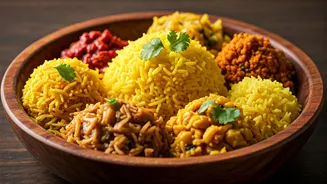
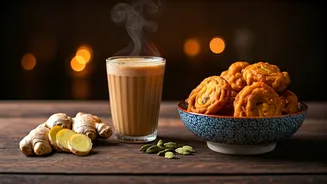
Lemon rice is delightful on its own, but it truly shines with the right accompaniments. The simplicity of the dish makes it a perfect canvas for a variety of textures and flavours. A crispy papad or a crunchy sandige (fryum) offers a satisfying contrast to the soft rice. A dollop of spicy mango or lemon pickle on the side can elevate the tanginess to a new level. For a more substantial meal, it pairs beautifully with a simple coconut-based vegetable stew, a dry potato fry (poriyal), or even just a bowl of thick curd. These pairings transform it from a quick snack into a complete and balanced meal, making it a versatile favourite for any time of day.