





From ‘Skinny’ to ‘Strong’
For decades, the Indian fitness narrative was one of subtraction—eating less and weighing less. [2] The goal, heavily influenced by media and traditional beauty standards, was often to be thin. [12] Workouts were dominated by endless cardio sessions,
crash diets were common before big events, and the weighing scale was the ultimate judge of progress. [2] This approach, however, is being replaced by a more empowering philosophy centered on addition: adding muscle, building strength, and gaining functional fitness for a better quality of life. [2, 16] The conversation is no longer just about shedding kilos, but about what the body can do. [5]
The Social Media Effect
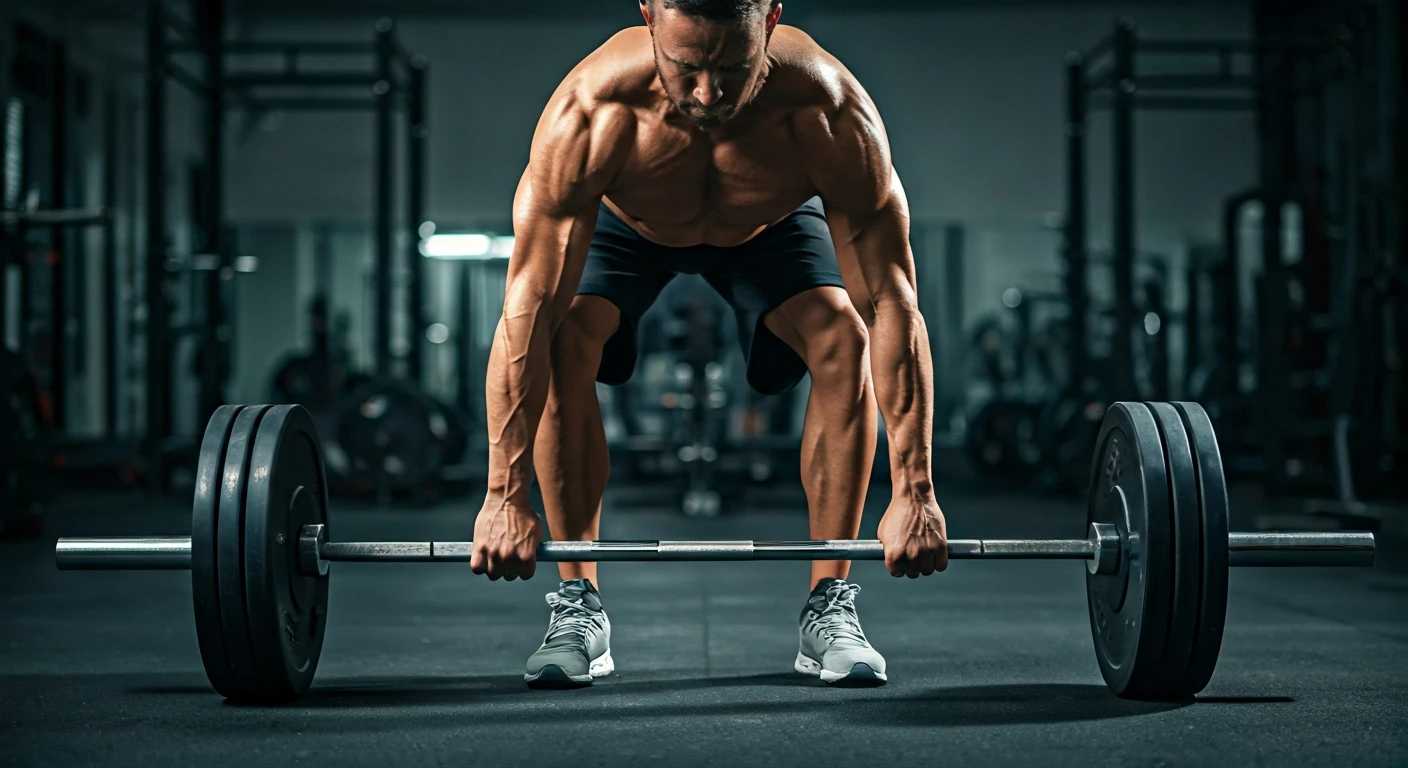
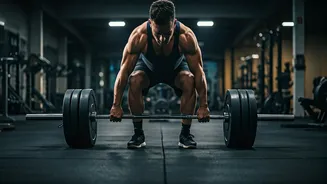
A major catalyst for this change is social media. Platforms like Instagram and YouTube have made fitness more accessible and visual than ever before. [4] Fitness influencers and content creators have demystified strength training, showcasing that lifting weights is not just for professional bodybuilders. [24] This has been particularly transformative for women, who are increasingly embracing strength training and shattering the myth that lifting heavy makes them 'bulky'. [9] Seeing relatable individuals share their journeys of getting stronger, from acing a pull-up to deadlifting, has inspired millions to shift their own goals. [5, 7] This digital movement has helped turn fitness into a cultural phenomenon that emphasizes long-term health over quick fixes. [4]
A Deeper Understanding of Health
The post-pandemic era has amplified health consciousness across India, with a growing awareness of lifestyle disorders and metabolic health. [20] People now understand that muscle is not just for aesthetics; it's crucial for long-term well-being. [14] Experts highlight that building muscle mass improves insulin sensitivity, which is vital for managing blood sugar levels and reducing the risk of type 2 diabetes—a significant concern in India. [6, 8, 13] Furthermore, strength training is proven to increase bone density, protecting against osteoporosis and age-related frailty. [8, 17] It also boosts metabolism, as muscle tissue burns more calories at rest, and improves mental well-being by reducing symptoms of anxiety and depression. [6, 8]
Redefining Femininity and Fitness
One of the most significant aspects of this trend is the way Indian women are reclaiming their space in the weight room. [7] For years, women were often steered towards yoga, Zumba, or light cardio, with weightlifting being deemed unfeminine or intimidating. [10] Today, that stereotype is fading fast. [5] Female-led fitness communities and an increasing number of women coaches are creating safe and supportive environments where strength is celebrated. [9] This shift is about more than physical transformation; it’s about empowerment, physical autonomy, and the confidence that comes from being strong enough to handle daily life, from carrying groceries to playing with children without pain. [7, 19]
The Fitness Industry is Adapting
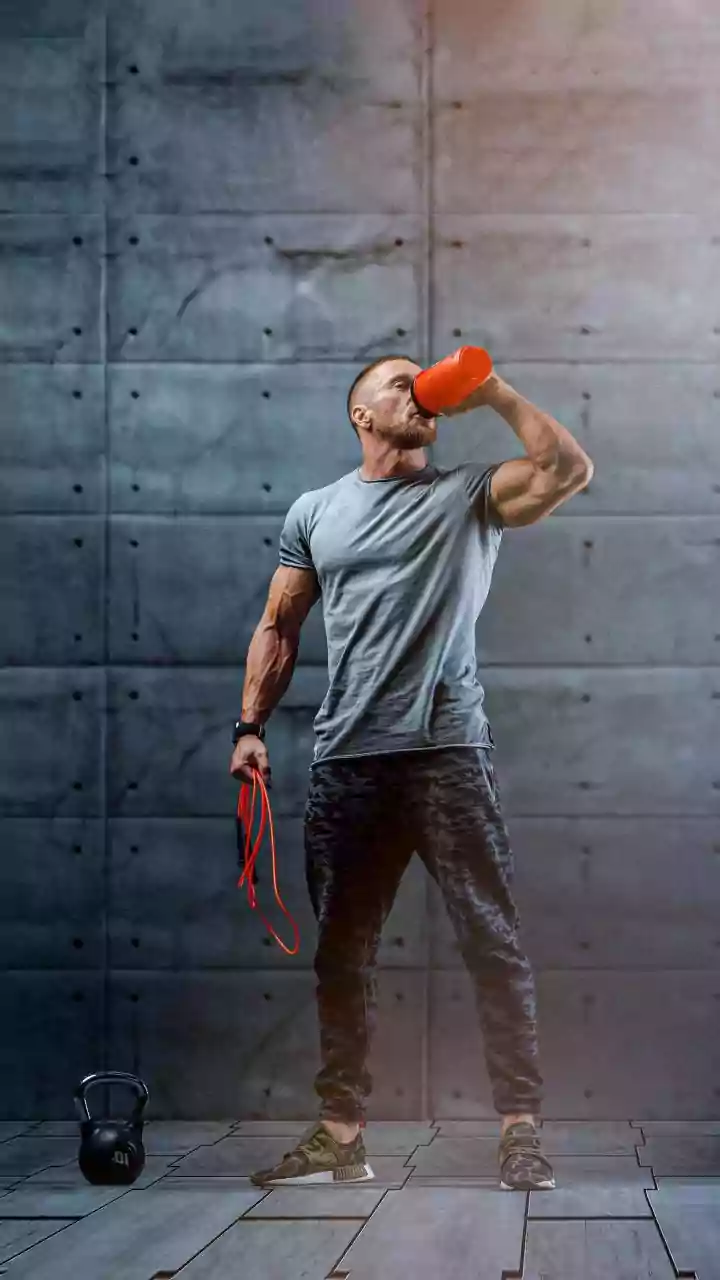
The fitness industry has been quick to respond to this evolving demand. There is a growing popularity of functional workouts, CrossFit, Pilates, and other routines that build practical strength. [2] The focus is broadening beyond just aesthetics to include mobility, injury prevention, and longevity. [26] This has attracted a wider demographic, including middle-aged consumers and beginners who were previously intimidated by traditional gyms. [26] The narrative has successfully shifted from seeing exercise as a punishment for what you ate to viewing it as a celebration of what your body can achieve. [19] Protein, once a niche supplement, has also gone mainstream, with companies launching everything from protein-fortified flour to snacks to meet the new demand. [2]