


The End of the Straight Line
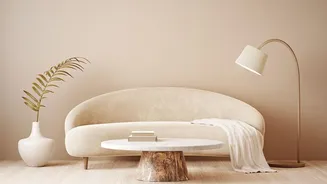
For years, Indian homes have been dominated by sharp angles and straight lines. Think boxy sofas, rectangular coffee tables, and rigid, formal seating arrangements. But now, a softer silhouette is taking over. The curved sofa, with its gentle, rounded
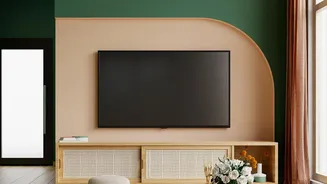
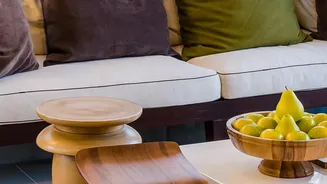
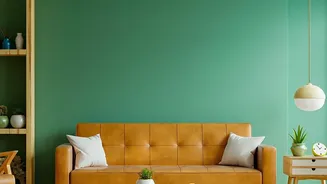
form, is at the forefront of this trend. These pieces, often upholstered in tactile fabrics like bouclé or velvet, invite you to sink in and relax. The appeal lies in their ability to make a room feel more welcoming and harmonious. Curved lines encourage better flow and movement, making spaces feel more natural and alive. This shift extends beyond just sofas to include round coffee tables, crescent-shaped armchairs, and organically shaped accent pieces that break the monotony of a linear layout. The trend isn't about eliminating straight lines entirely but balancing them with softer, more sculptural forms that add visual interest and a sense of calm.
Let There Be (Layered) Light
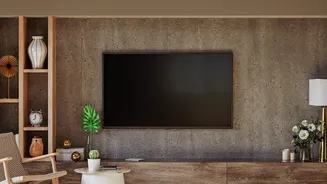
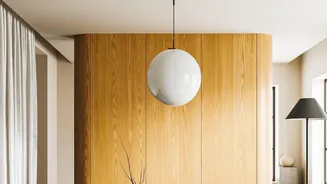
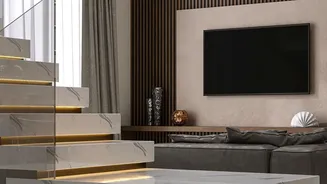
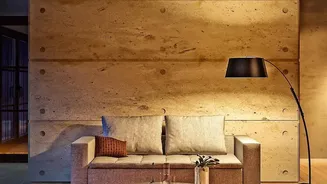
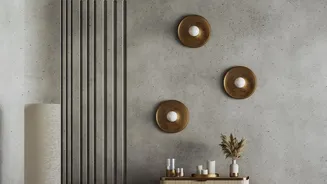
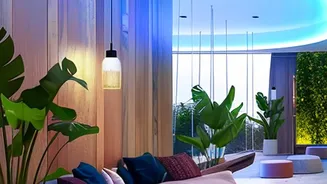
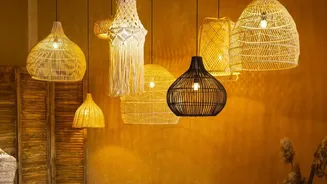
Just as our furniture is getting softer, so is our lighting. The single, high-wattage tube light or ceiling fixture that once illuminated entire rooms is being replaced by a more thoughtful approach: layered lighting. This design technique involves combining three types of light—ambient, task, and accent—to create depth, warmth, and flexibility. Ambient lighting provides the overall, general glow, often from a central chandelier or recessed lights. Task lighting is focused on specific activities, like a floor lamp in a reading nook or under-cabinet lights in the kitchen. Accent lighting, the final layer, is used to highlight architectural features, artwork, or textures, adding a touch of drama and sophistication. The magic happens when these layers work together, allowing a room's mood to shift from bright and energetic to soft and intimate with the flick of a few switches. Using dimmers and warm-toned bulbs further enhances this effect, making spaces feel cosy and inviting.
Why We Crave Softness Now
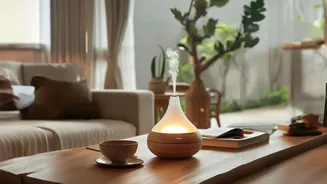
This move towards a softer aesthetic is not just a fleeting trend; it’s a response to a larger cultural shift. In a world that feels increasingly fast-paced and overwhelming, our homes have become our sanctuaries. There's a collective desire for spaces that feel nurturing and calming. This is where principles of biophilic design—the practice of connecting our homes with nature—come into play. Curved forms and organic shapes are seen as more natural and less aggressive than sharp angles, helping to create a more relaxed atmosphere. This 'organic modern' style pairs the clean lines of modernism with the raw, earthy elements of nature. The goal is to create interiors that are not just visually stunning but also deeply comforting—a space that feels like a warm hug at the end of a long day.
Making It Work in an Indian Context
While this trend has global roots, it is being adapted beautifully within the Indian context. The softness of a curved sofa pairs wonderfully with the rich textures of Indian handwoven textiles. Layered lighting can be used to highlight traditional elements like brassware, intricate carvings, or a treasured piece of art. Many designers note that this isn't about importing a foreign look, but about blending these new forms with our existing cultural aesthetic. Even in compact urban apartments, these principles can be applied effectively. A curved sofa can surprisingly maximize seating in a small room, and clever lighting can make a space feel larger and more functional. The key is to balance new elements with familiar ones, creating a home that feels both modern and deeply personal.
Bringing the Softer Look Home
Adopting this trend doesn't require a complete overhaul. You can start small. Consider adding a curved accent chair to a reading corner or replacing a harsh overhead light with a stylish floor lamp and a decorative table lamp. Experiment with textures—a nubby wool rug, linen cushions, or a soft throw can instantly add warmth. When it comes to lighting, think about the different activities that happen in a room and ensure you have the right light for each. The goal is not to perfectly replicate a look from a magazine, but to create a space that feels right for you. It's about choosing pieces that are not only beautiful but also comfortable and functional, crafting a home that serves as a true refuge.