




The Building Blocks of Muscle
Before we dive into lentils, let's talk about what makes a protein 'complete'. Proteins are made of building blocks called amino acids. There are 20 different amino acids, but nine of them are called 'essential amino acids' because our bodies can't produce
them. We must get these nine from the food we eat. For lifters, this is non-negotiable. These essential amino acids are critical for repairing muscle tissue that gets broken down during training and for stimulating new muscle growth, a process known as muscle protein synthesis. Animal-based foods like meat, eggs, and dairy are famous for being complete proteins, meaning they contain all nine essential amino acids in sufficient amounts. Many plant-based foods, however, are considered 'incomplete' because they are low in one or more of these essential amino acids.
Lentils: A Protein Powerhouse With a Catch
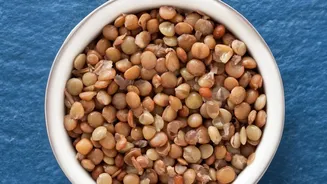
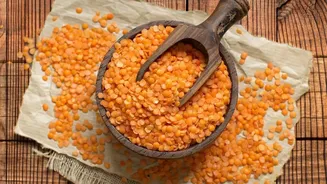
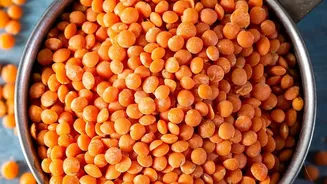
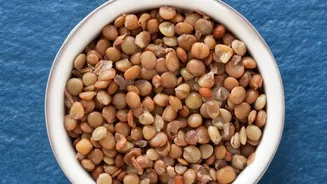
Lentils are a nutritional MVP for any athlete. A single cooked cup packs around 18 grams of protein and is loaded with fibre, complex carbs, and essential minerals. They are a fantastic, low-fat foundation for any meal. However, on their own, they are not technically a complete protein. Lentils contain all nine essential amino acids, but they are low in two specific sulfur-containing ones: methionine and cysteine. Think of it like having eight out of nine puzzle pieces needed to build a perfect square. You're incredibly close, but there's a small gap. This is why just eating lentils alone, while still highly beneficial, might not be the most optimal strategy for maximising muscle repair and growth.
The Perfect Partners: Rice and Seeds
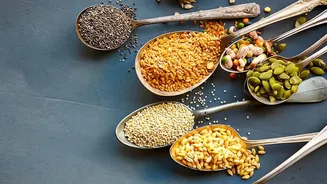
This is where the magic of food pairing comes in. The amino acids that are low in lentils are abundant in other plant foods. Grains like rice, for instance, are low in the amino acid lysine, but they have plenty of the methionine and cysteine that lentils lack. When you combine lentils and rice, their amino acid profiles complement each other perfectly. The lysine from the lentils fills the gap in the rice, and the methionine from the rice fills the gap in the lentils. Together, they create a full roster of all nine essential amino acids, forming a complete protein. The same principle applies to seeds. Sprinkling sunflower, pumpkin, or sesame seeds onto a lentil dish accomplishes the same goal, as seeds are also good sources of methionine.
Do They Need to Be in the Same Meal?
Here’s some good news that makes this strategy even easier. For decades, the popular advice was that you had to eat these complementary proteins in the very same meal for your body to use them. This led to a lot of stress about perfectly balanced plates. However, modern nutritional science has debunked this myth. Your body is smarter than that; it maintains a pool of amino acids it can draw from throughout the day. As long as you consume a variety of plant proteins—like having lentils for lunch and a side of rice or seeded bread with your dinner—your body can pull the necessary amino acids from this pool to form complete proteins as needed. This gives you much more flexibility in your meal planning.
Putting It All on Your Plate
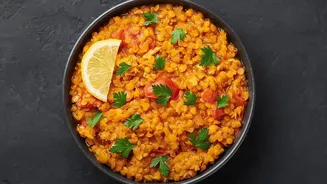
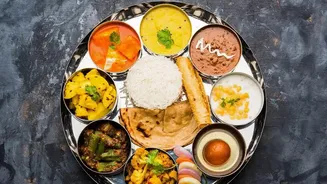
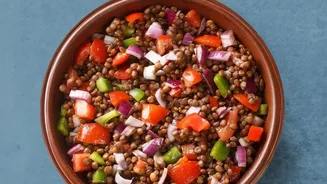
Applying this knowledge is simple and delicious. The classic Indian dish of dal (lentil stew) served with rice is a perfect example of this principle in action, a pairing that has been a nutritional staple for centuries. But you can get creative. Consider a hearty lentil soup served with a slice of whole-grain or seeded toast. Or, toss a generous handful of pumpkin seeds and sunflower seeds into a cold lentil salad for a crunchy, protein-packed lunch. You can even blend silken tofu (a complete protein itself) into a lentil curry for an extra creamy and powerful muscle-building meal. By ensuring your diet includes both legumes and grains or seeds, you provide your body with all the raw materials it needs to recover from tough workouts and build lean mass effectively.