

Why Quarantine is Non-Negotiable
Even the healthiest-looking plant from the most reputable store can harbour pests or their eggs. Pests like spider mites, mealybugs, thrips, and scale are often invisible in their early stages but can quickly infest your entire collection. An outbreak
is difficult and time-consuming to treat, and can cause irreversible damage to your beloved plants. Think of quarantine not as a chore, but as essential biosecurity for your indoor garden. It provides a crucial window to spot and treat any issues before they spread, saving you future work and heartache.
Setting Up Your Quarantine Zone
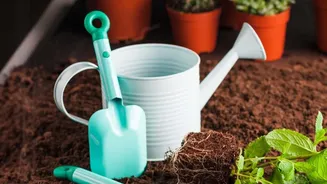
An effective quarantine means true isolation. Choose a separate room, if possible, away from any of your other plants. A bathroom or a spare bedroom works well. If space is tight, even a distant corner of a room is better than nothing, but understand that airborne pests like fungus gnats can still travel. The key is physical separation. The quarantine area should have similar light conditions to what the plant will eventually need, but avoid placing it in direct, harsh sunlight which can cause stress. Be mindful not to share tools; any watering cans or snips used on the quarantined plant should be cleaned thoroughly before being used on your other plants.
The Initial Check-Up and Clean
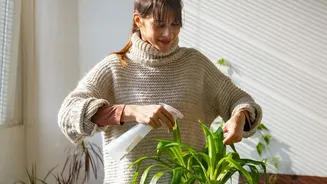
Your quarantine process begins the moment you get home. Before placing the plant in its designated zone, give it a thorough inspection. Check the tops and undersides of leaves, in the crooks of stems, and on the surface of the soil. Look for tiny webs (spider mites), white cottony fluff (mealybugs), or small brown bumps (scale insects). After inspection, it’s a good practice to give the plant a gentle clean. You can wipe the leaves with a damp cloth or give it a light shower. Some experts recommend spraying the plant with a mild solution of insecticidal soap as a preventative measure. You can even consider repotting the plant into fresh, sterilized soil to eliminate any soil-borne pests or their eggs.
The Waiting Game: Duration and Care
The standard recommended quarantine period is between two and four weeks, with many experts leaning towards a safer four-to-six-week window. This duration is not arbitrary; it's based on the life cycles of common houseplant pests. A shorter period might miss a new generation of pests hatching from eggs. During this time, care for the plant as you normally would, providing appropriate water and light. Most importantly, use this time for consistent monitoring. Inspect the plant at least once a week for any of the tell-tale signs of pests or disease mentioned earlier. Keeping a close eye is the entire point of the quarantine period.
Common Pests to Look For
Knowing what you're looking for makes inspections more effective. Here are some common culprits: Spider Mites: Cause silvery stippling on leaves and produce fine, delicate webbing, usually between leaves and stems. Mealybugs: Appear as small, white, cotton-like masses, often found in the nooks where leaves meet stems. Scale: Look like small, flat, brown or tan bumps that attach themselves to stems and the undersides of leaves. Thrips: Tiny insects that cause silvery streaks on leaf surfaces and leave behind small black specks of waste. * Fungus Gnats: Small, dark flies that emerge from the soil, especially when you water the plant. Their larvae live in the top layer of moist soil. If you spot any of these, treat the plant with an appropriate pesticide or natural remedy before its quarantine period ends.
Graduation Day: The Final Checks
After the plant has completed its two-to-four-week isolation period with no signs of pests or diseases, it’s almost ready to join the family. Give it one last, thorough inspection from top to bottom, including gently checking the root system if you're inclined. If everything looks clear, you can confidently move your new, healthy plant to its permanent spot among your collection. This final check provides peace of mind that you've done everything possible to maintain a healthy environment for all your plants.