






The Rise of the Mountain Office
The remote work revolution has fundamentally reshaped India's professional landscape. The flexibility to work from anywhere has led many to question the need for a life tethered to a single, expensive metropolis. The answer, for an increasing number,
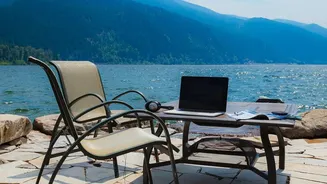
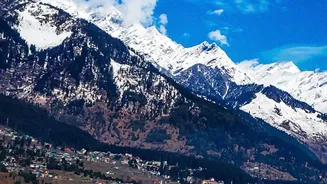
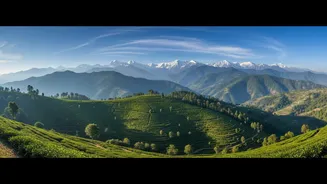
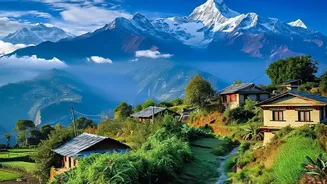
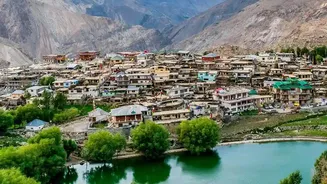
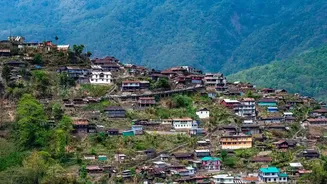
lies in the mountains. Hill stations across states like Himachal Pradesh and Uttarakhand are transforming from weekend getaways into long-stay hubs for digital nomads. This shift is driven by a desire for a better work-life balance, cleaner air, a lower cost of living, and a slower, more intentional pace of life. Towns that were once purely tourist destinations are now upgrading their infrastructure, with reliable fibre internet, power backups, and work-friendly cafes becoming the norm to cater to this new class of residents.
Spotlight on Bir: A Case Study in Calm
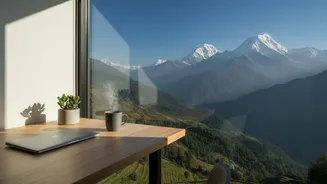
Bir, a serene town in Himachal Pradesh, perfectly illustrates this trend. Initially famous as one of the world's best paragliding sites, it has quietly evolved into a sanctuary for remote workers, creators, and entrepreneurs. What makes Bir so attractive is its unique blend of peaceful spirituality and modern amenities. The town retains its authentic, calm personality, avoiding the over-commercialization of other hill stations. Here, a typical day might involve focused work in the morning at a café with mountain views, an afternoon walk through pine forests, and watching paragliders land against a sunset sky. The cost of living is a major draw, with monthly rentals and daily expenses being significantly lower than in major cities, allowing for a higher quality of life on a smaller budget.
More Than Wi-Fi: Finding Your Tribe
While good internet is a prerequisite, the true magic of places like Bir lies in the community. Loneliness can be a significant challenge for remote workers, but these mountain hubs offer a built-in solution. The social ecosystem is fueled by co-living spaces, coworking cafes, and shared guesthouses designed to foster connection. Places like Barefoot Bir and The Founders Tribe are explicitly designed for digital nomads, offering not just a desk and a bed, but a community. Here, graphic designers, coders, writers, and startup founders from across the country cross paths, share meals, and collaborate. This organic networking and sense of belonging transforms a solo workation into a shared journey, making long-term stays sustainable and fulfilling.
How to Plug into the Nomad Scene
For those looking to make the leap, finding these communities is easier than ever. The process often starts online, in Facebook groups and Reddit communities dedicated to workations in India. However, the real connections happen on the ground. The best strategy is to book a short-term stay of a week or two at a well-regarded co-living hostel or homestay. These places are natural nexuses for the local nomad community. Spend your days working from different cafes, which often double as informal coworking spots. Strike up conversations, join local WhatsApp groups for hikes and events, and you'll quickly find yourself integrated into the local fabric. Many long-term nomads find their permanent accommodation through word-of-mouth recommendations from people they meet in their first few weeks.
Beyond Bir: Other Hillside Havens
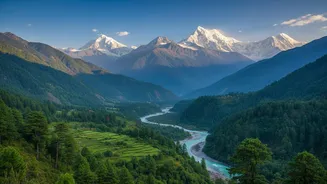
While Bir is a prime example, it's part of a larger network of digital-nomad-friendly mountain towns across India. In Himachal, Old Manali and Dharamkot (near Dharamshala) are bustling hubs with strong infrastructure and active international and domestic nomad communities. Rishikesh in Uttarakhand offers a unique blend of spirituality, adventure sports, and work-friendly cafes along the Ganges. For those seeking quieter, less-trodden paths, places like Jibhi in the Tirthan Valley or even Gangtok in Sikkim are emerging as incredible options for focused work amidst pristine nature. Each town has its own distinct personality, allowing remote professionals to find the specific environment that best suits their work style and personal interests.